Off-Grid Homes
Independence through design.
Australian off-grid homes combine passive design, renewable energy and water independence with a close response to climate and landscape.
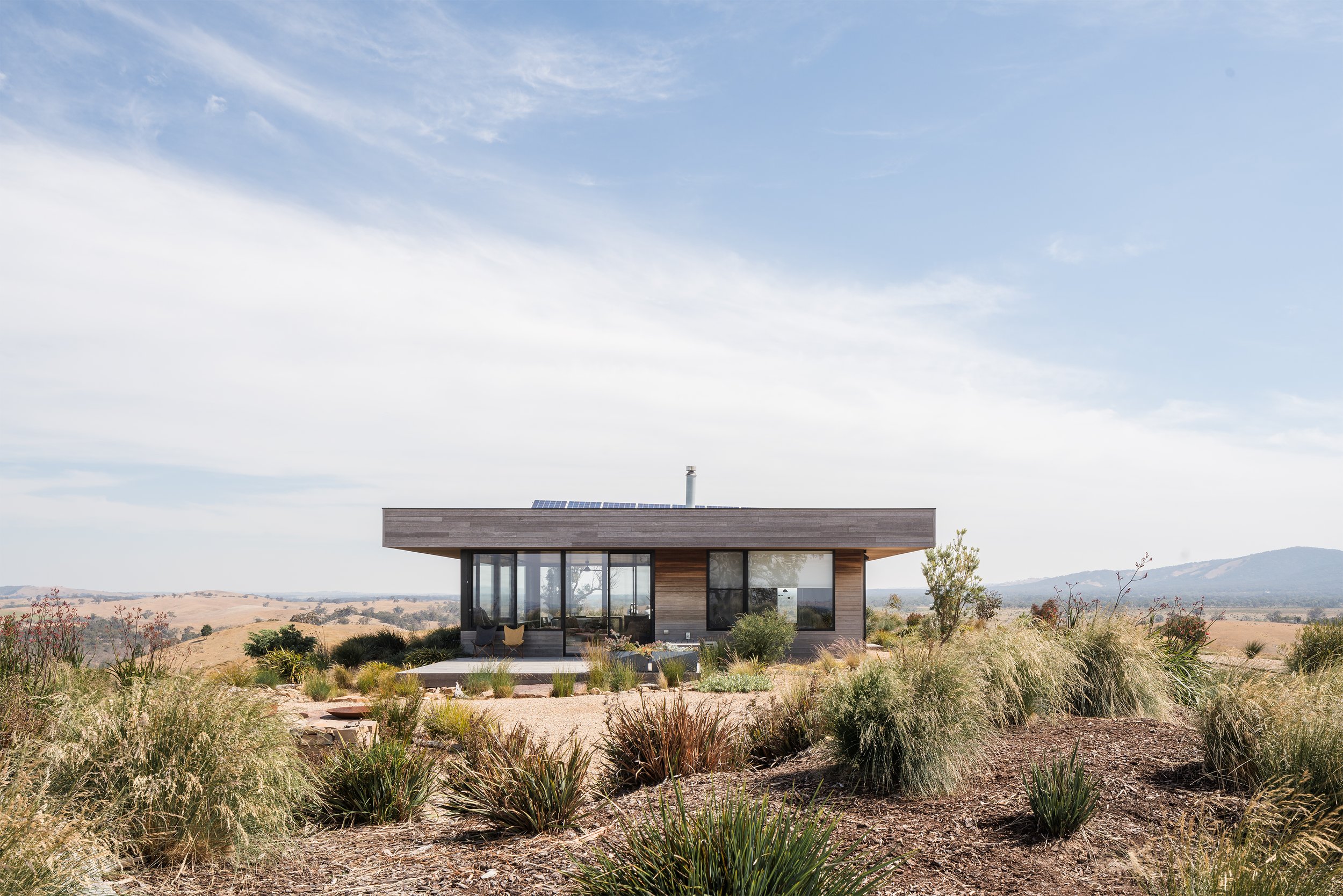
While Sue and Jim were collaborating with Ben Callery Architects to create their off-grid weekender, they knew they needed a landscape design to make it feel a part of the landscape.
What does it mean to create a home that offers shelter in a place defined by exposure? Elemental House responds with a design shaped by restraint, resilience and a more deliberate way of living.
This modern farmhouse in rural Victoria is shaped by a simple architectural idea: reuse what already exists.
Sitting on a rural property in Wooragee, a small town in Victoria, is a compact off-grid home designed to connect the family with their natural environment.
There is a misconception when it comes to housing, that bigger is better, where too often, floor area is favoured over quality.
On an exposed rocky hill in Mansfield, designer Robbie J Walker divides his own off-grid family home between a glazed living volume and a solid concrete rear, balancing expansive views with the need for shelter.
Tucked away in Melbourne's eastern suburb of Toorak sits a sculptural limestone surrounded by lush gardens that can generate, capture and provide everything it needs on-site.
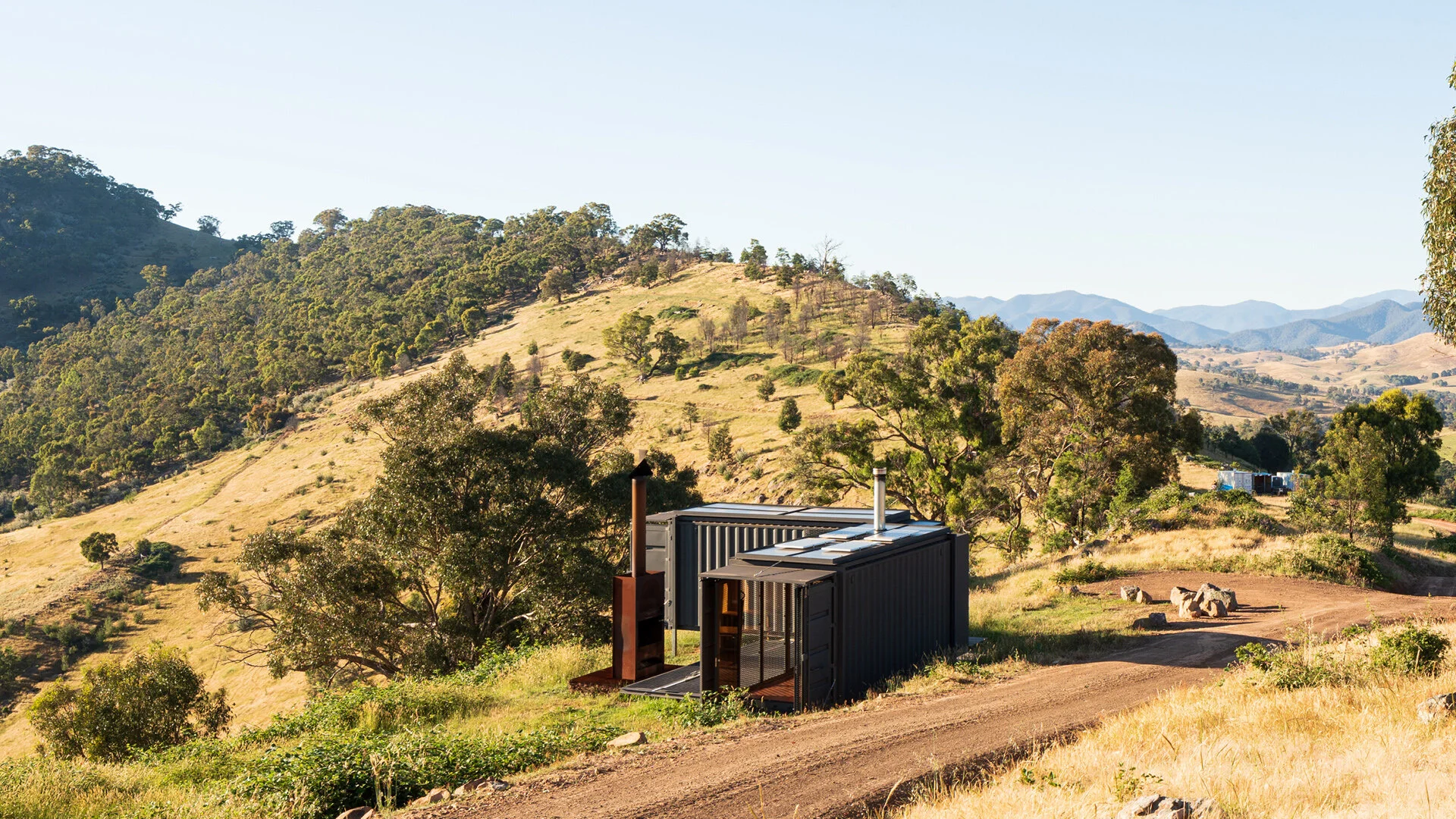
Would you live in a shipping container home? There’s no denying it, they are not like a traditional home, but the result can be extraordinary.
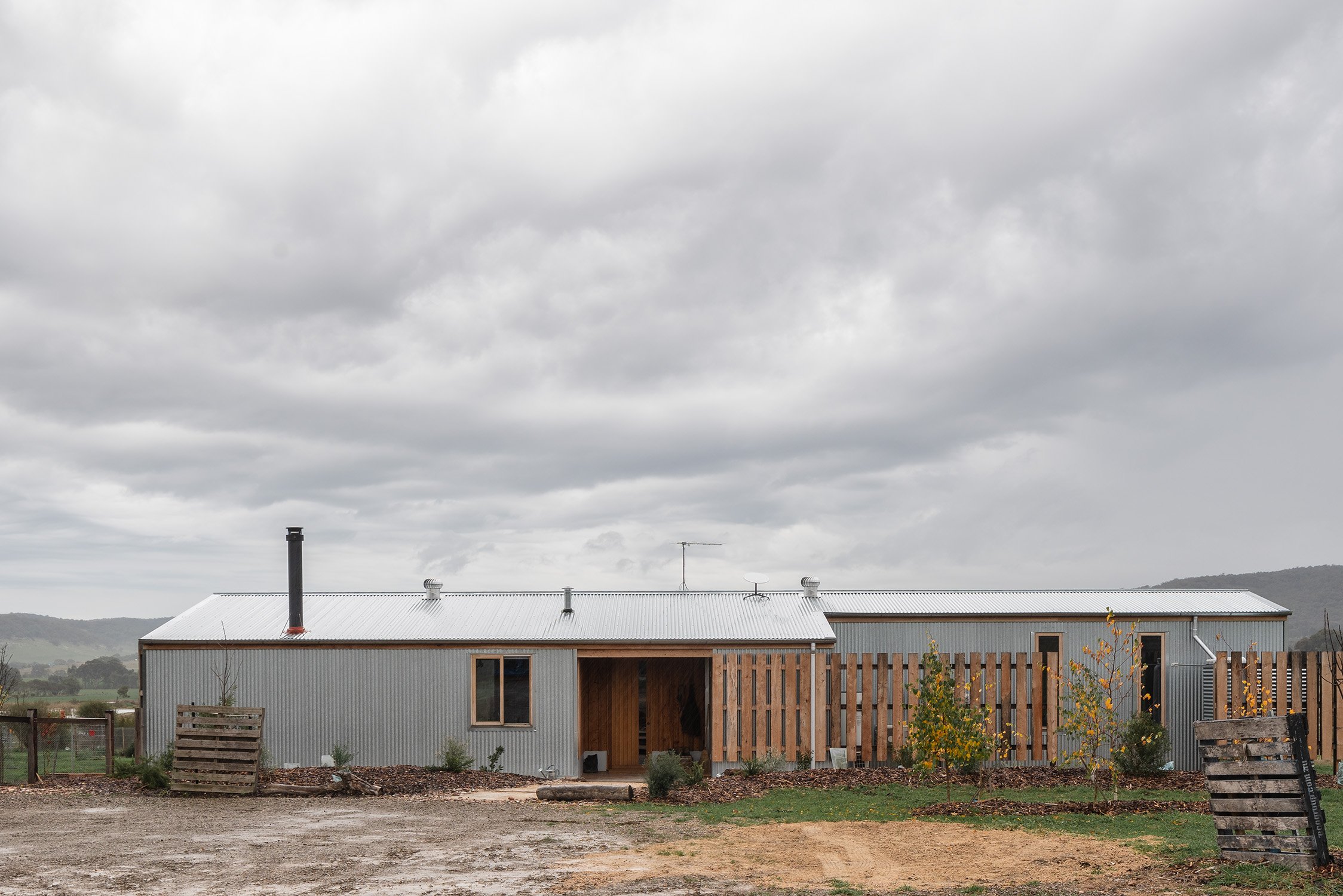
Melbourne architect, Jerry Wolveridge of Wolveridge Architects, bought the rural property of his clients, and after a study of local agricultural buildings, decided to design a simple, timber-clad pitched off-grid home.
Follow the publication by email
Receive new films, written features and occasional notes on Australian homes shaped by restraint, place and daily life.