Horizon House by Neil Architecture
Horizon House by Neil Architecture
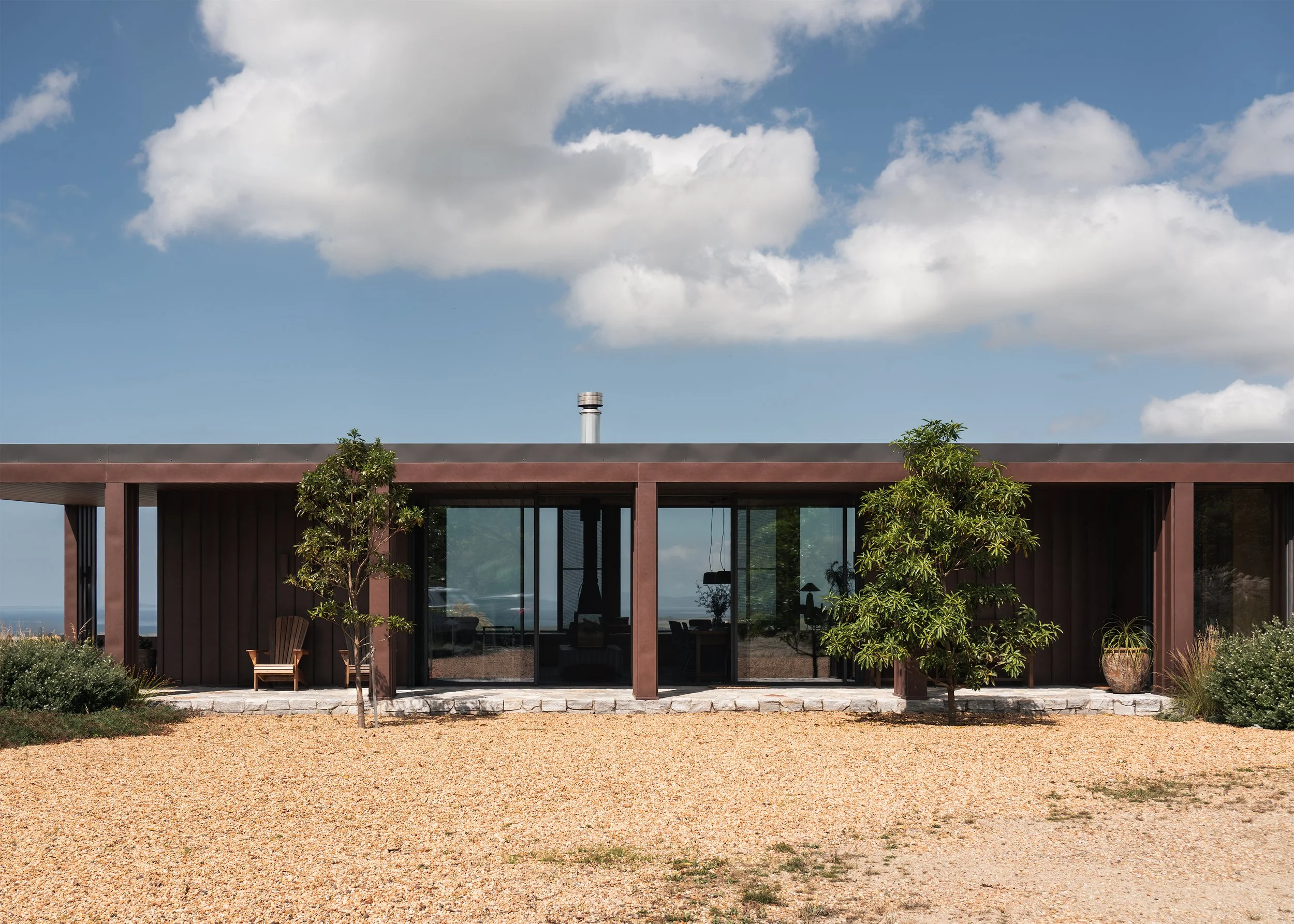
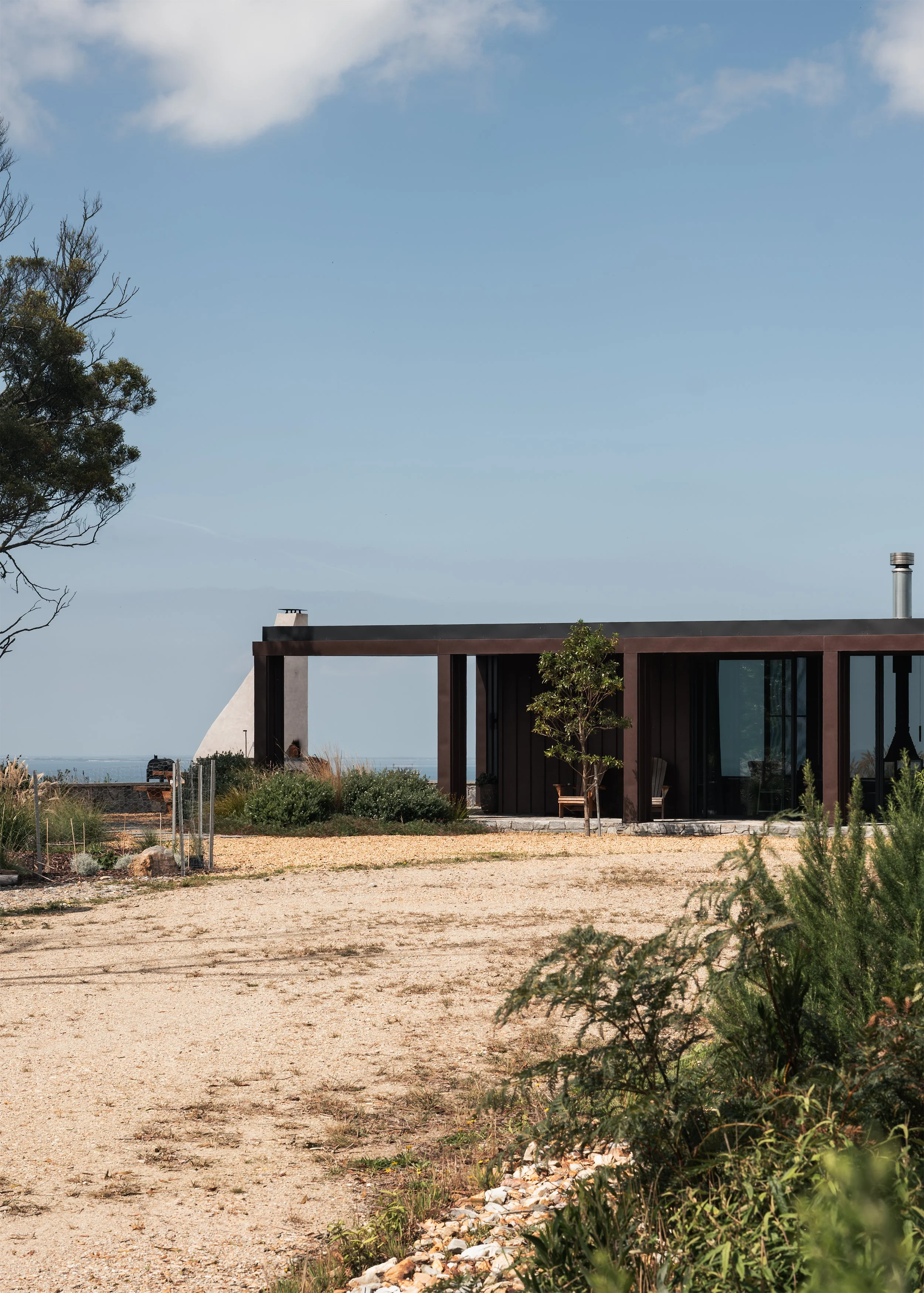
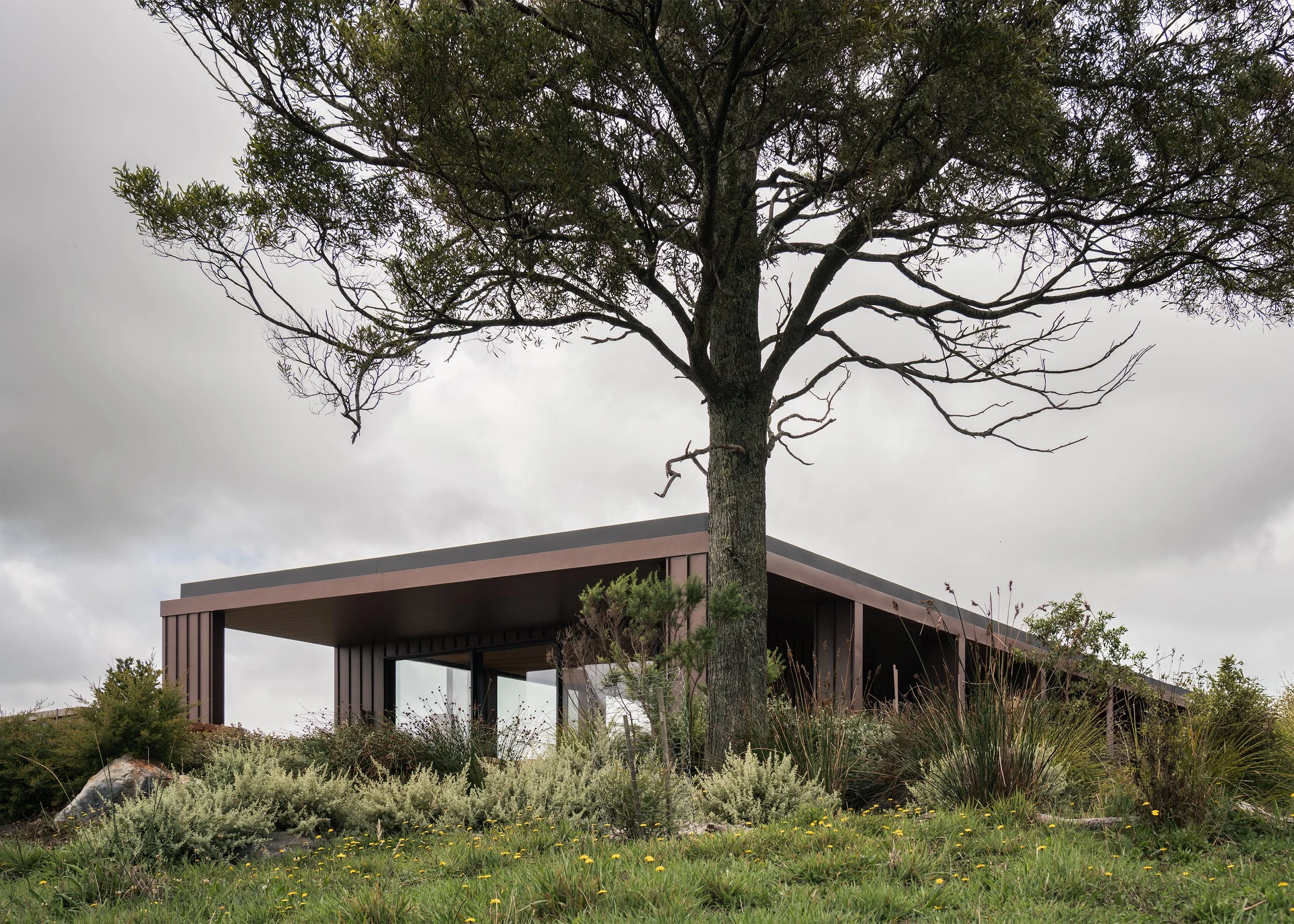
Near Fish Creek in South Gippsland, Horizon House responds to an exposed hilltop site with a low horizontal form that provides shelter while opening to panoramic views.
Location
Fish Creek, Victoria, Australia
Architecture
Neil Architecture
Led by
David Neil of DNA Office
Furniture Curation & Styling
Nicole Bell Design
Film & Photography
Anthony Richardson
Production
Simple Dwelling
In Partnership With
‘The site is very windy and weather-stricken; the challenge was coming up with an efficient design that sat well in the landscape that withstood the harsh elements. When you experience those hostile environments, you do get a sense of shelter and protection from the elements when you're in this house.’
– David Neil, Neil Architecture
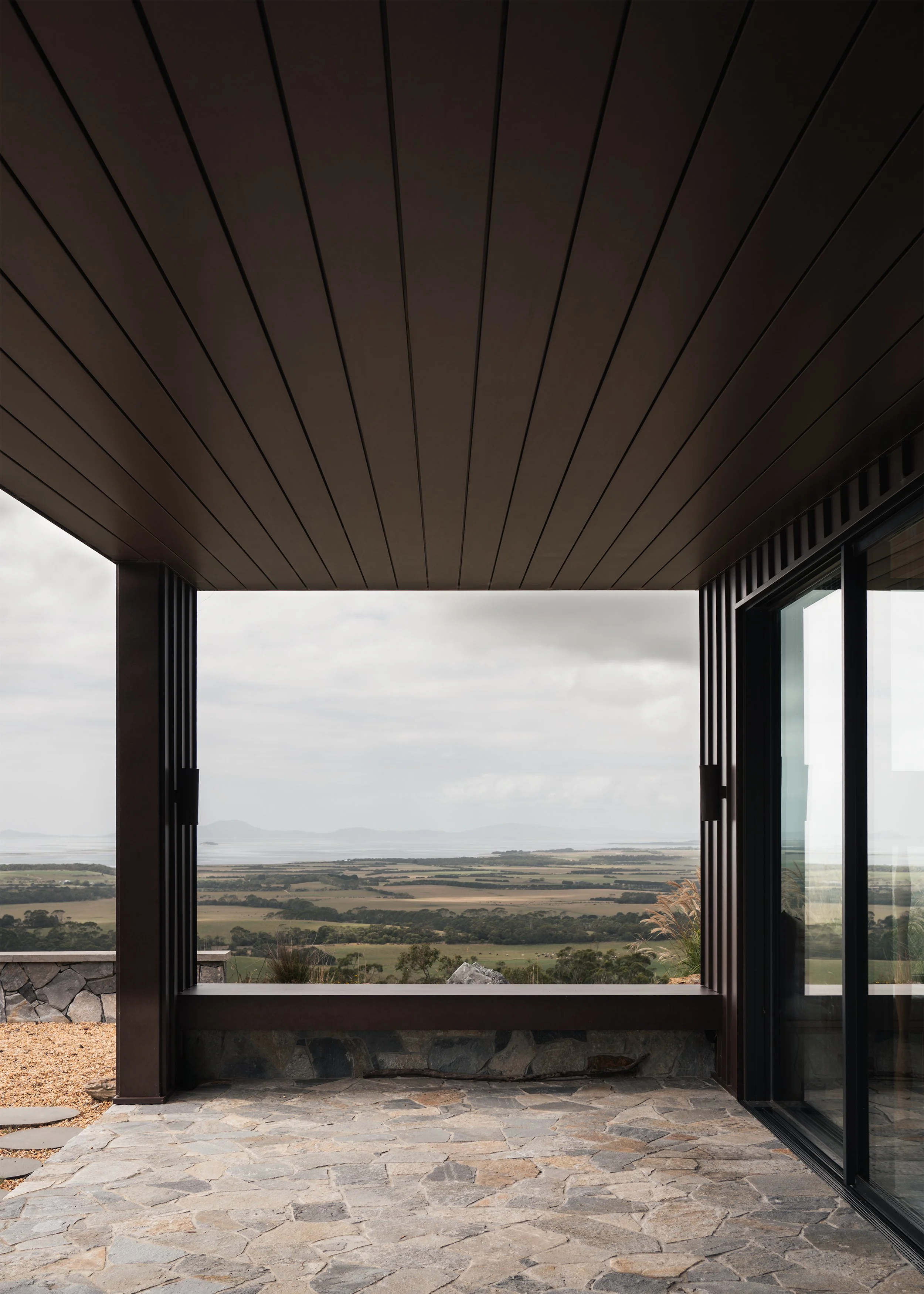
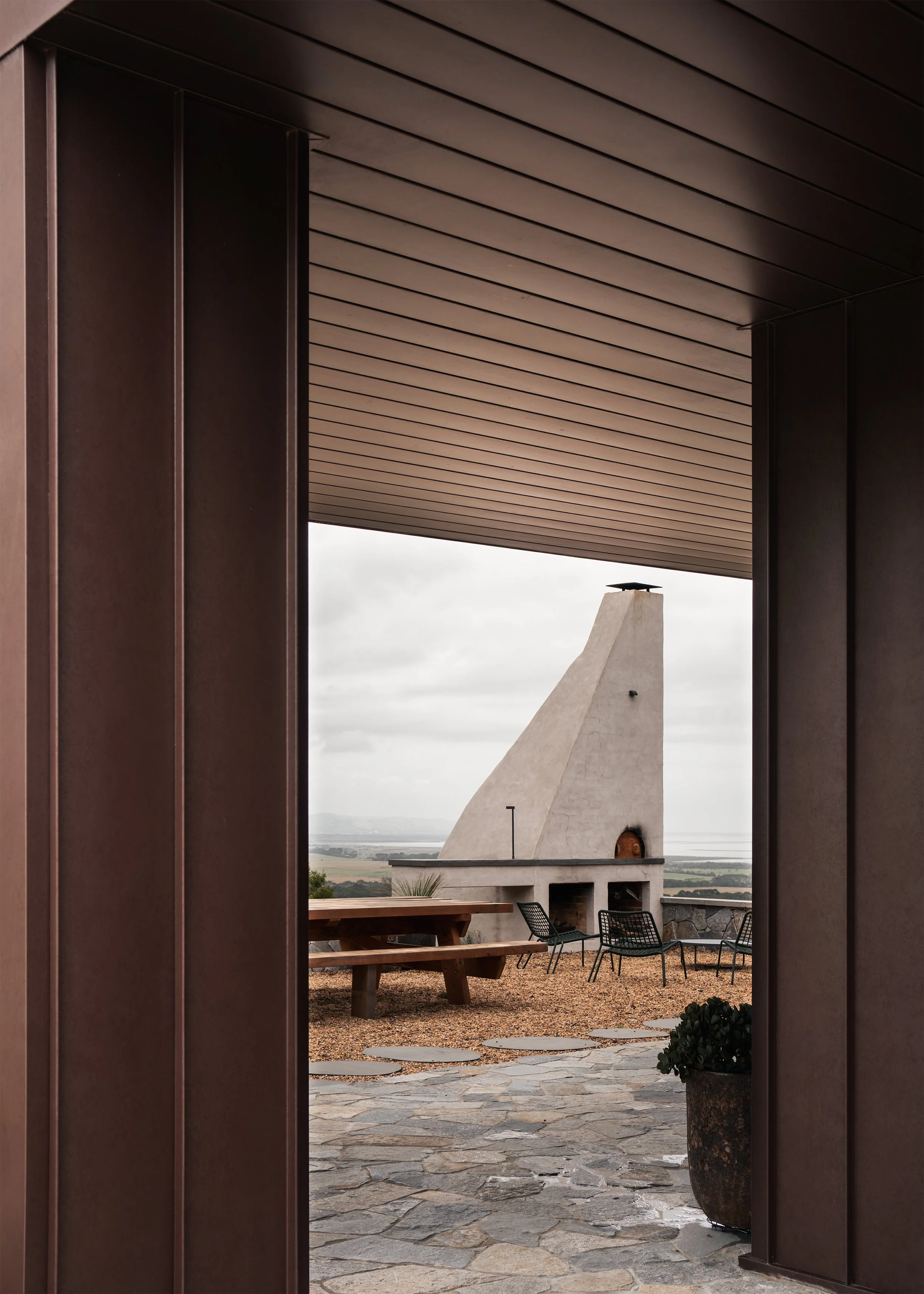
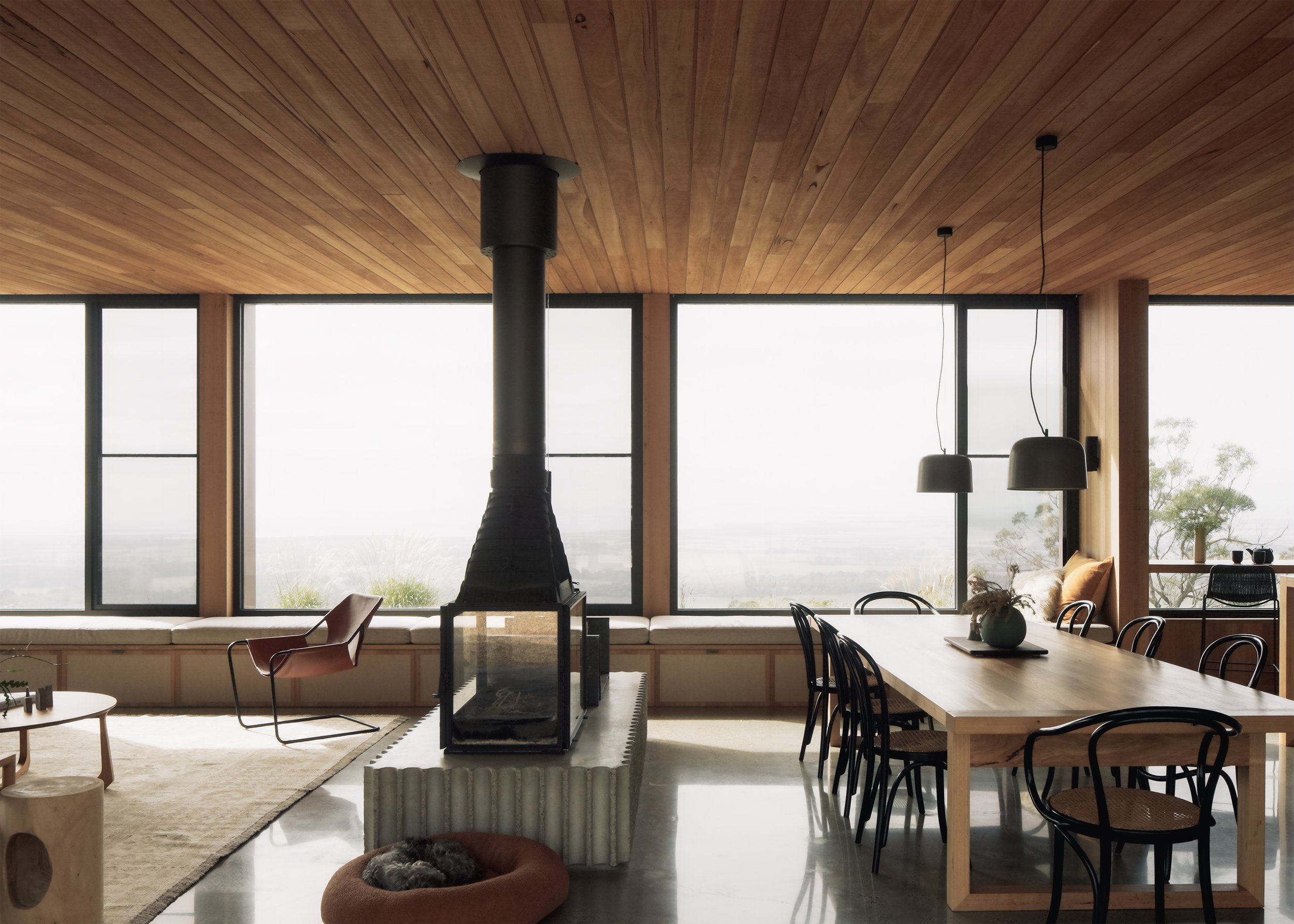
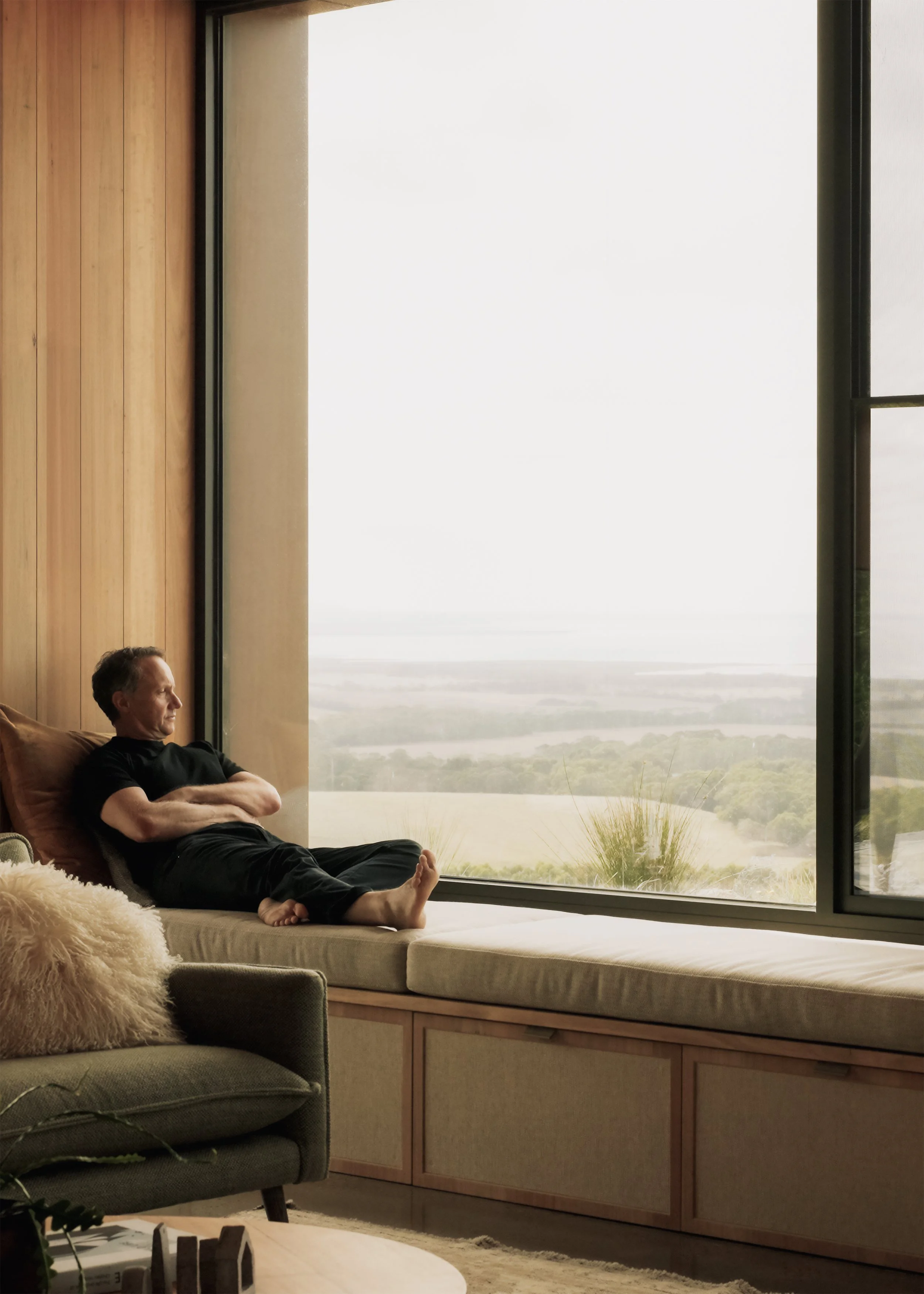
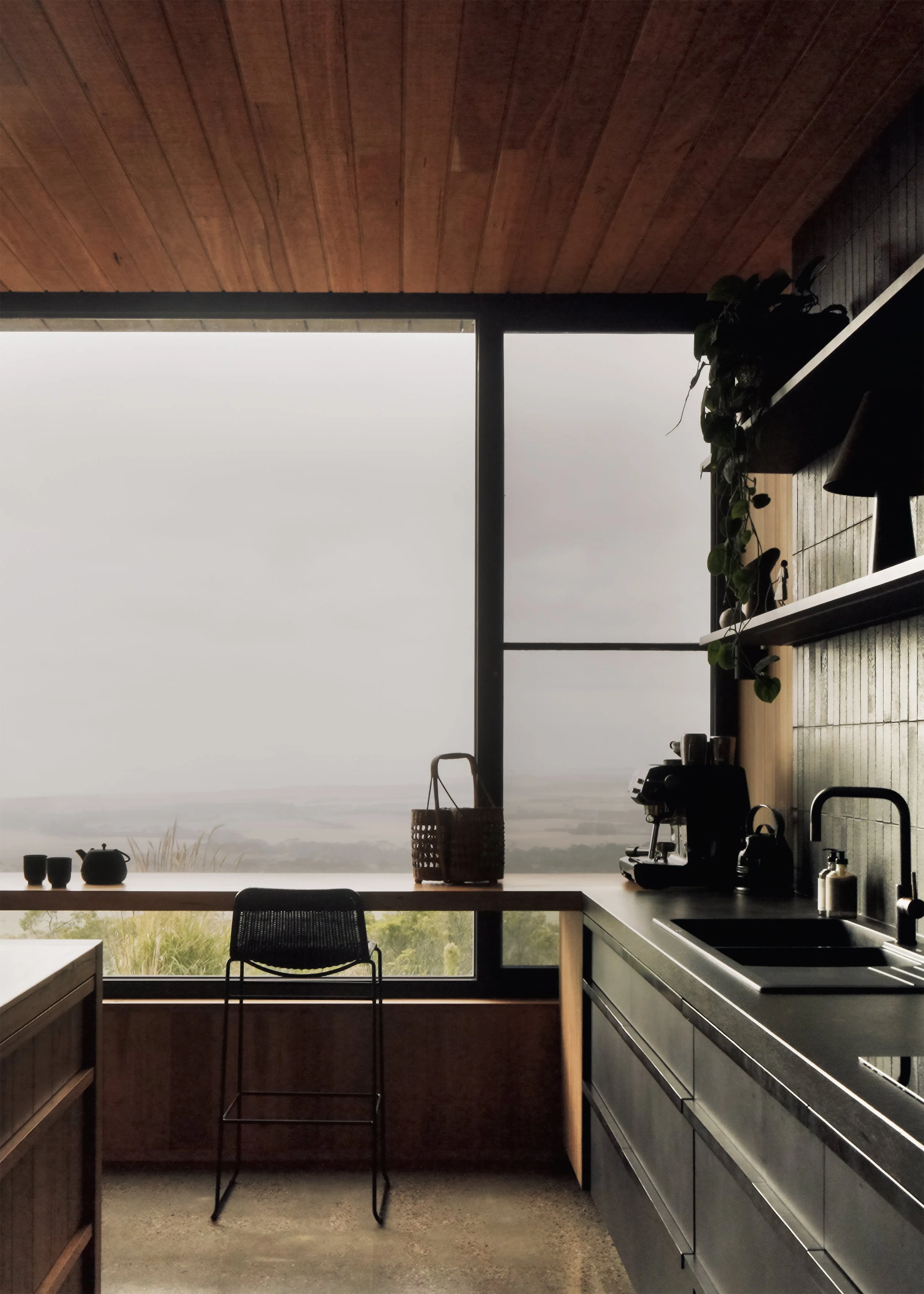
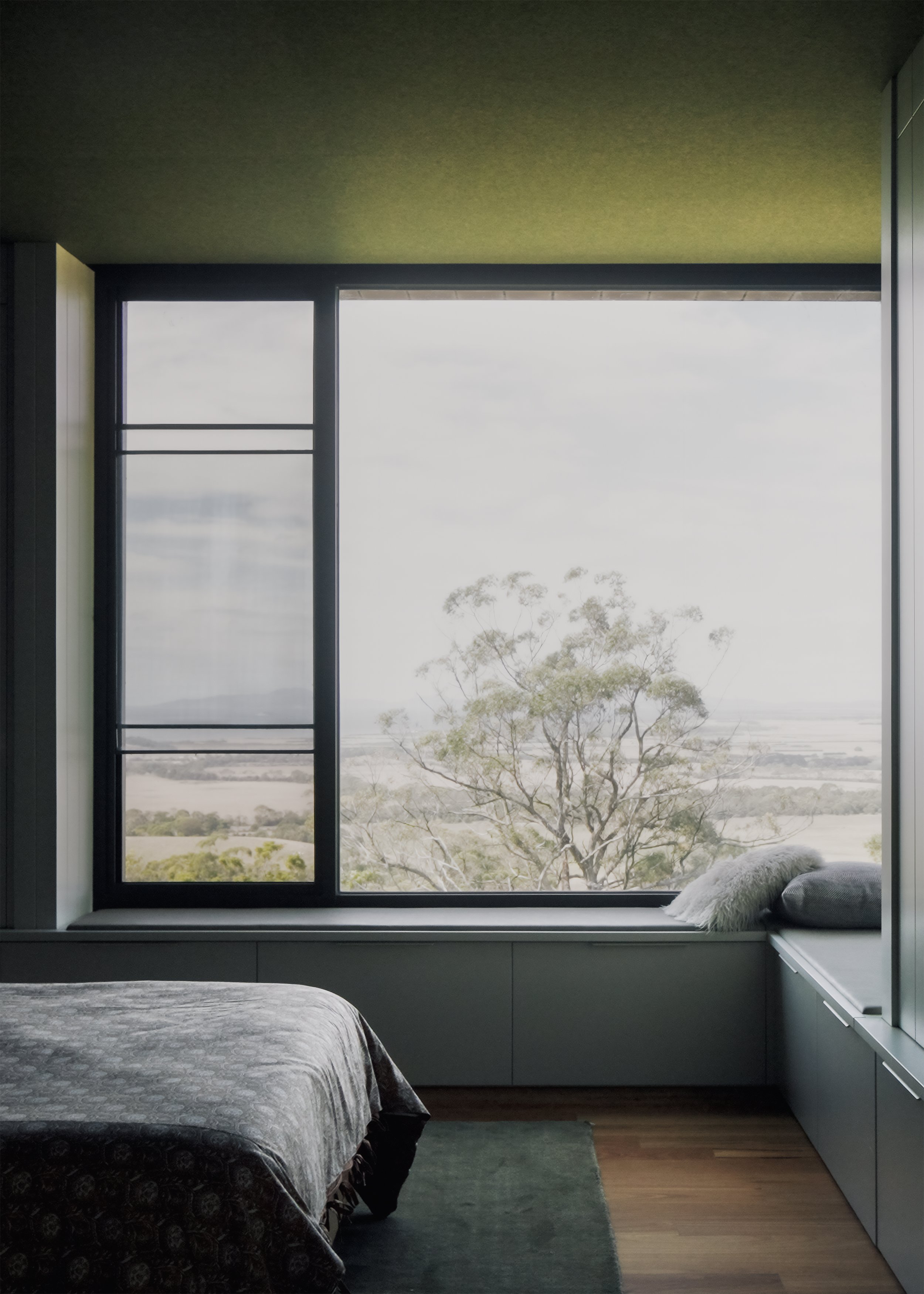
Horizon House by Neil Architecture is a rural home near Fish Creek shaped by the competing demands of outlook and exposure. From its hilltop position in South Gippsland, the house looks across Corner Inlet towards Wilsons Promontory. The view is broad and distant, but the conditions are immediate: strong winds, severe weather and bushfire risk all act directly on the building. The project responds by making shelter, rather than spectacle, the basis of its relationship with the landscape.
The site initially appears to offer complete freedom. It sits within rolling farmland, approached along a winding driveway through trees before the view opens dramatically at the top of the hill. Yet its elevation imposes a clear set of pressures. Any house placed here would be visible across the land, exposed to changing weather and required to meet BAL-40 conditions. Neil Architecture needed to provide a generous family home without allowing its size or construction to overwhelm the setting.
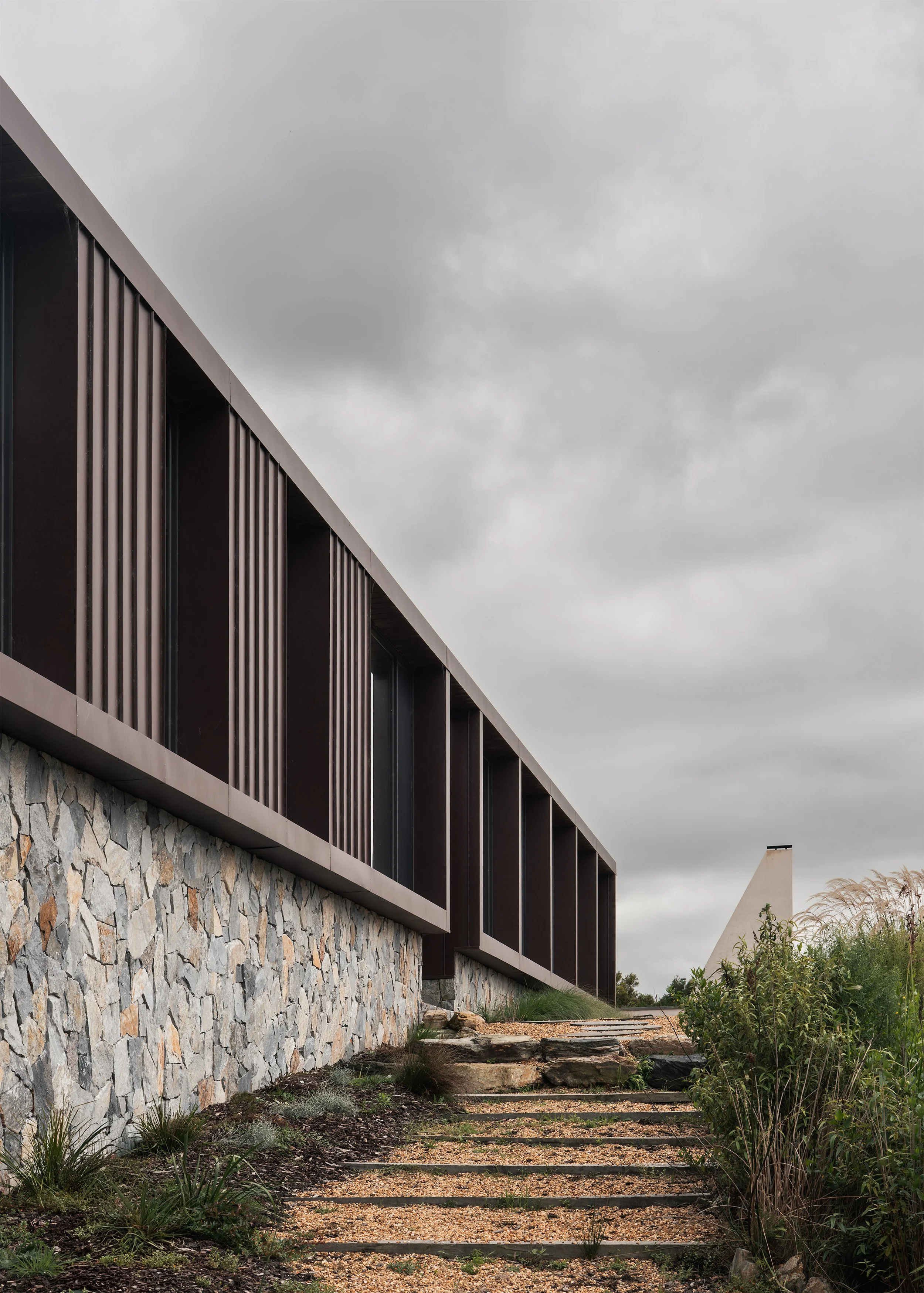
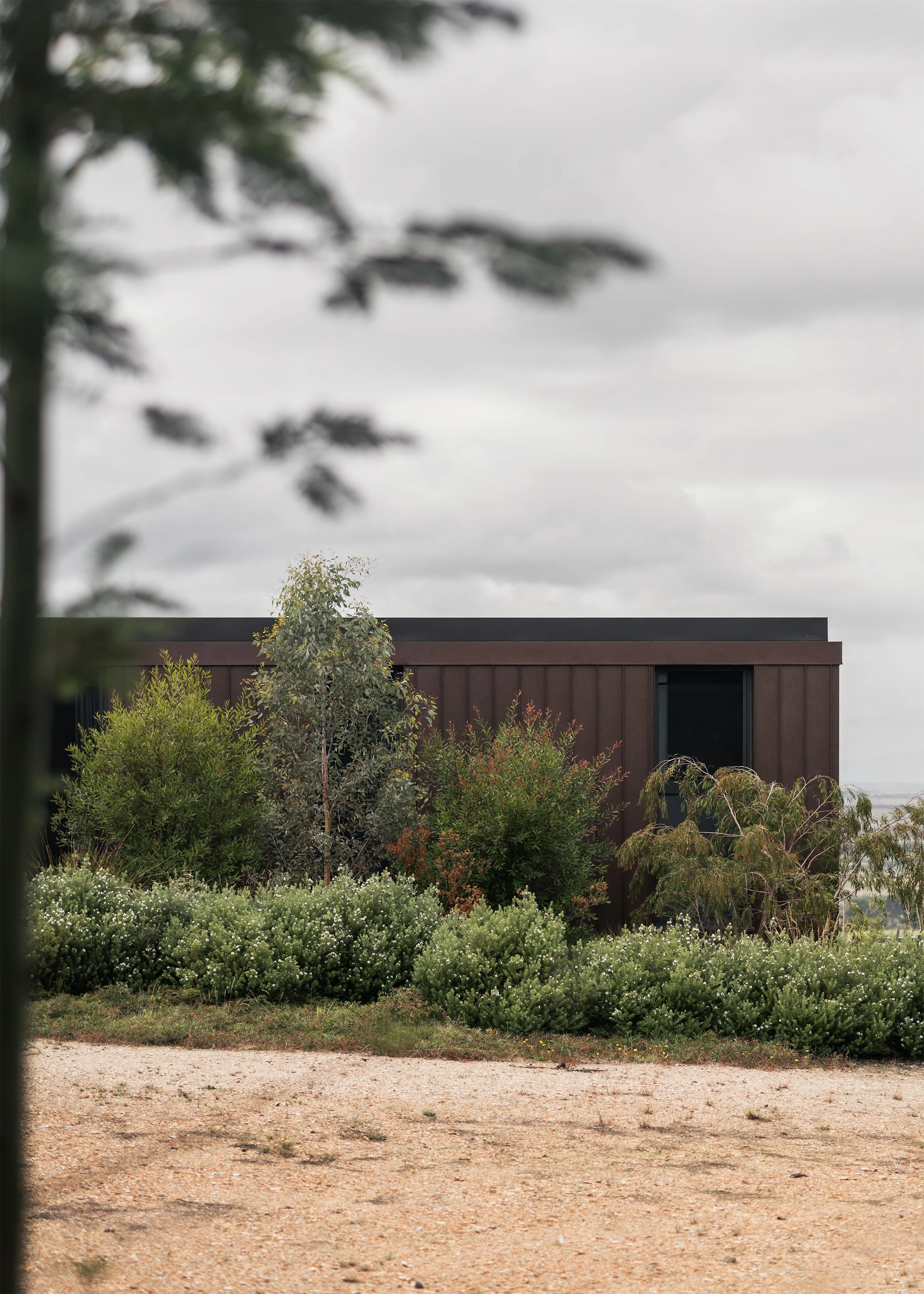
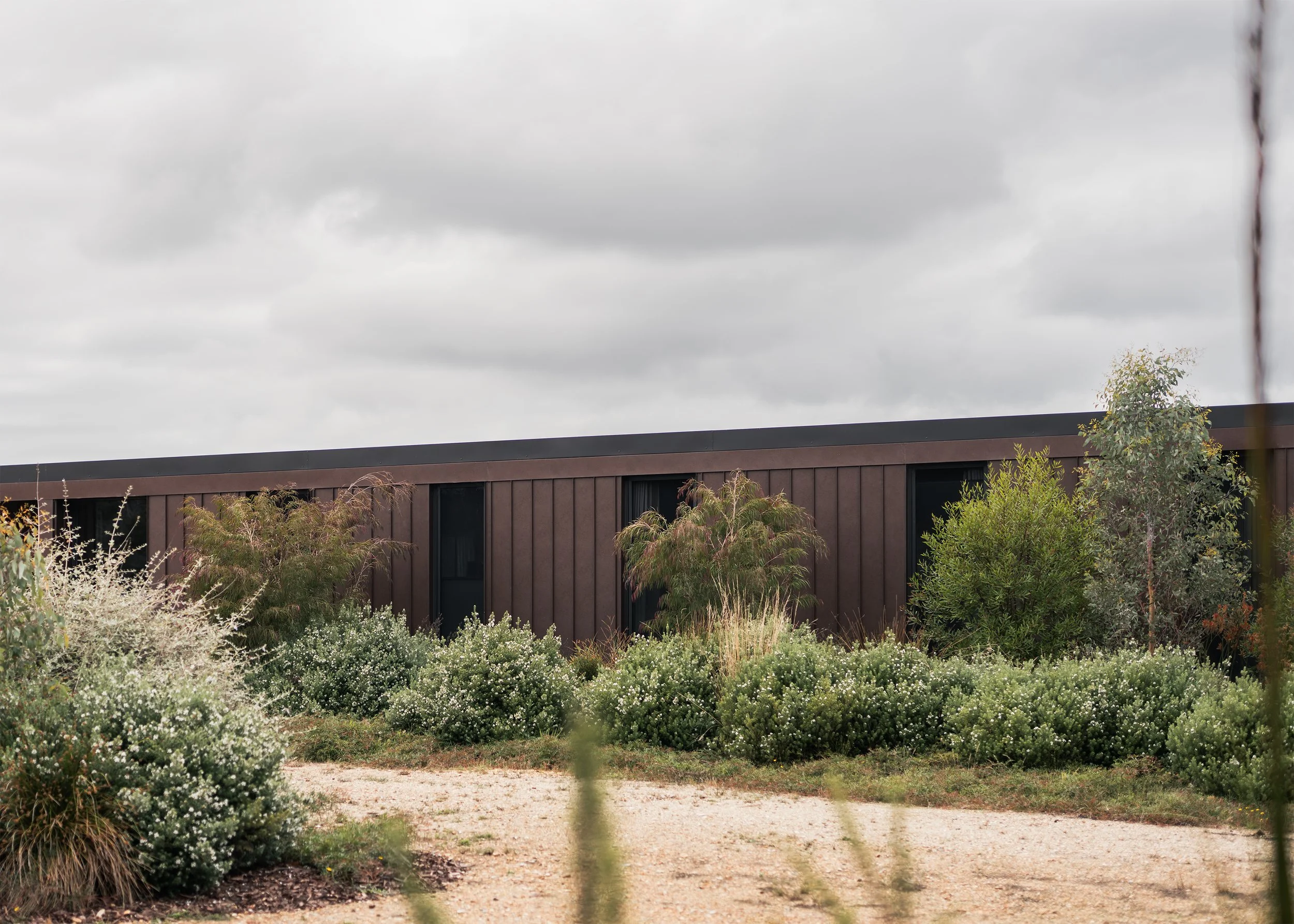
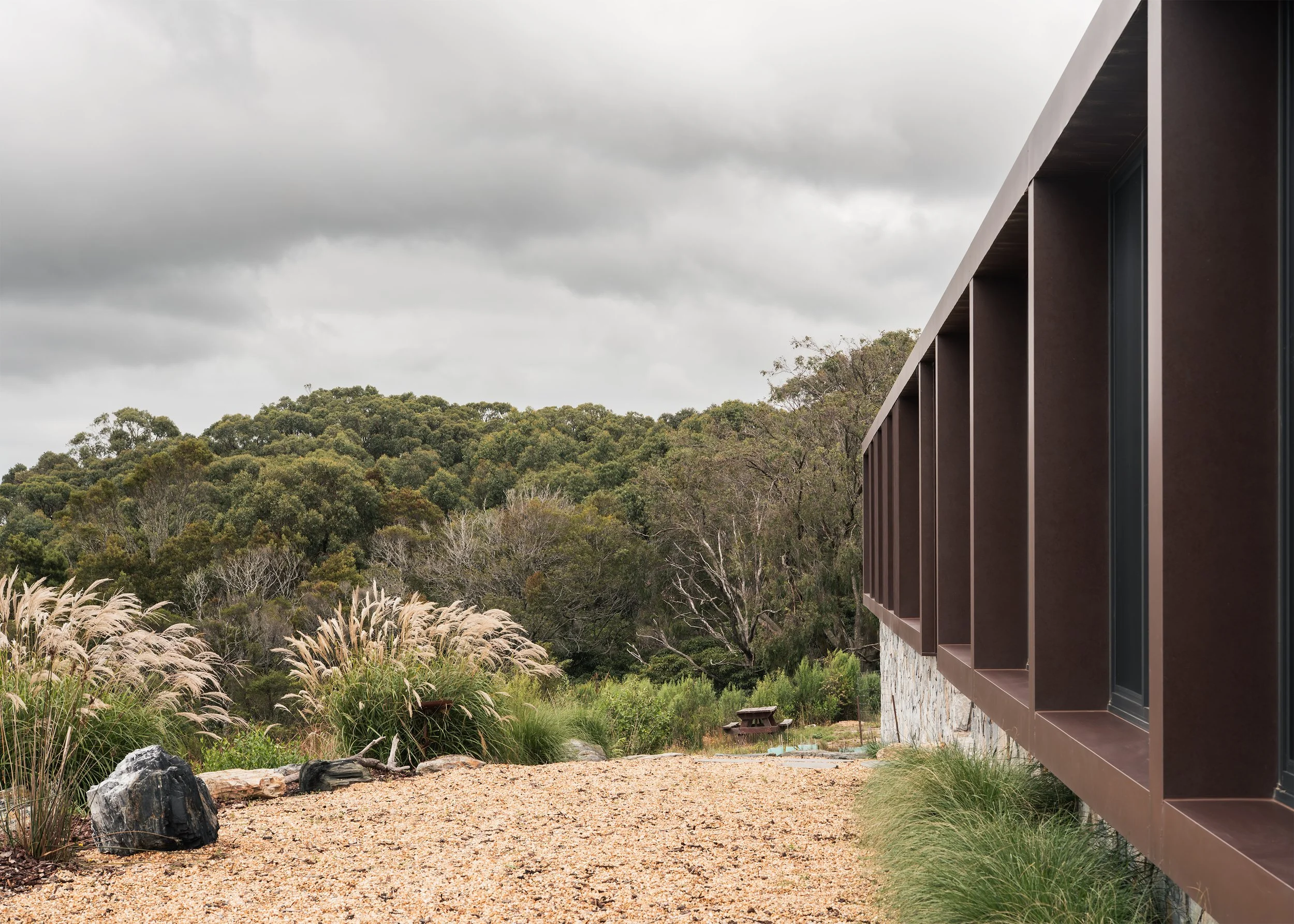
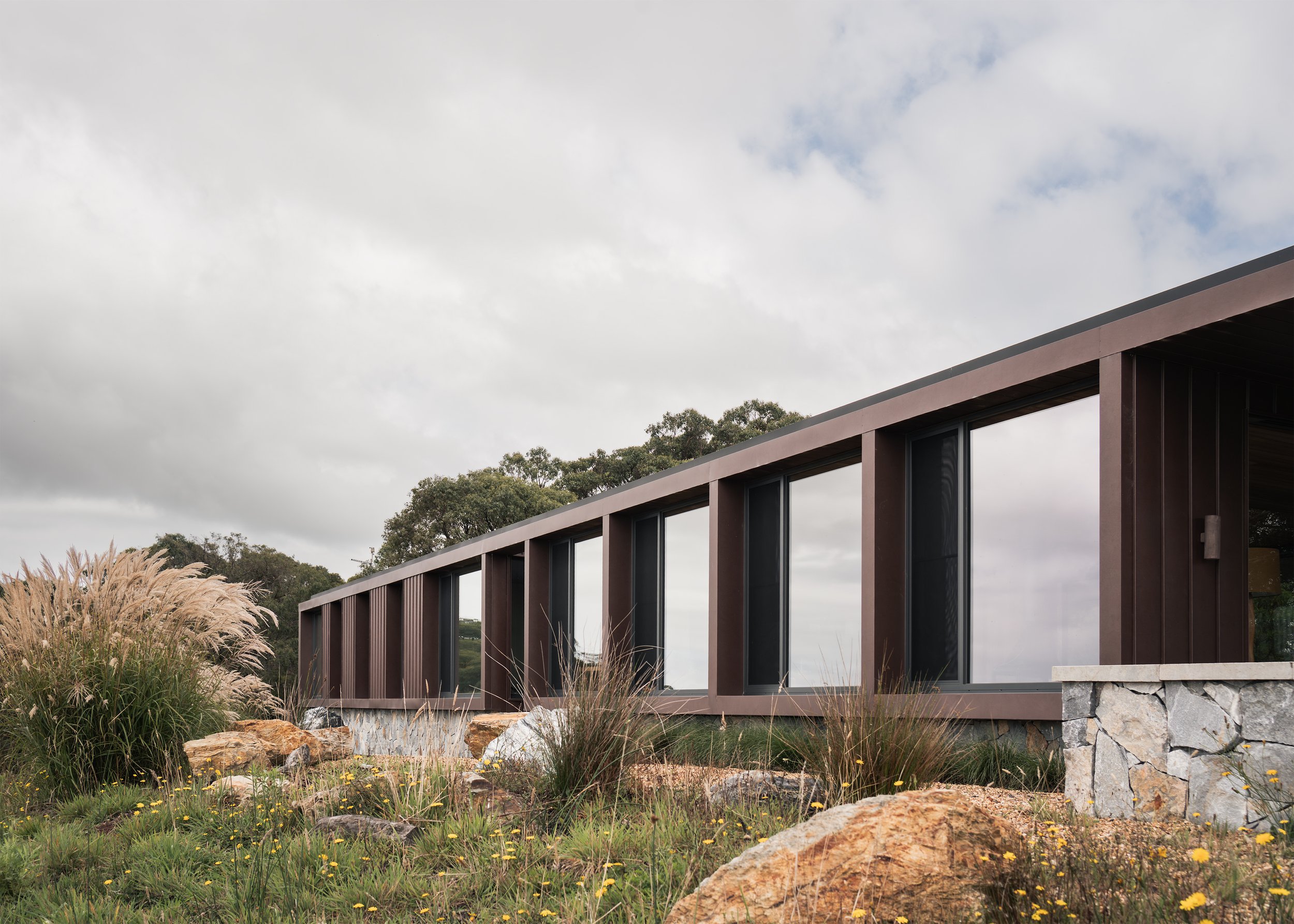
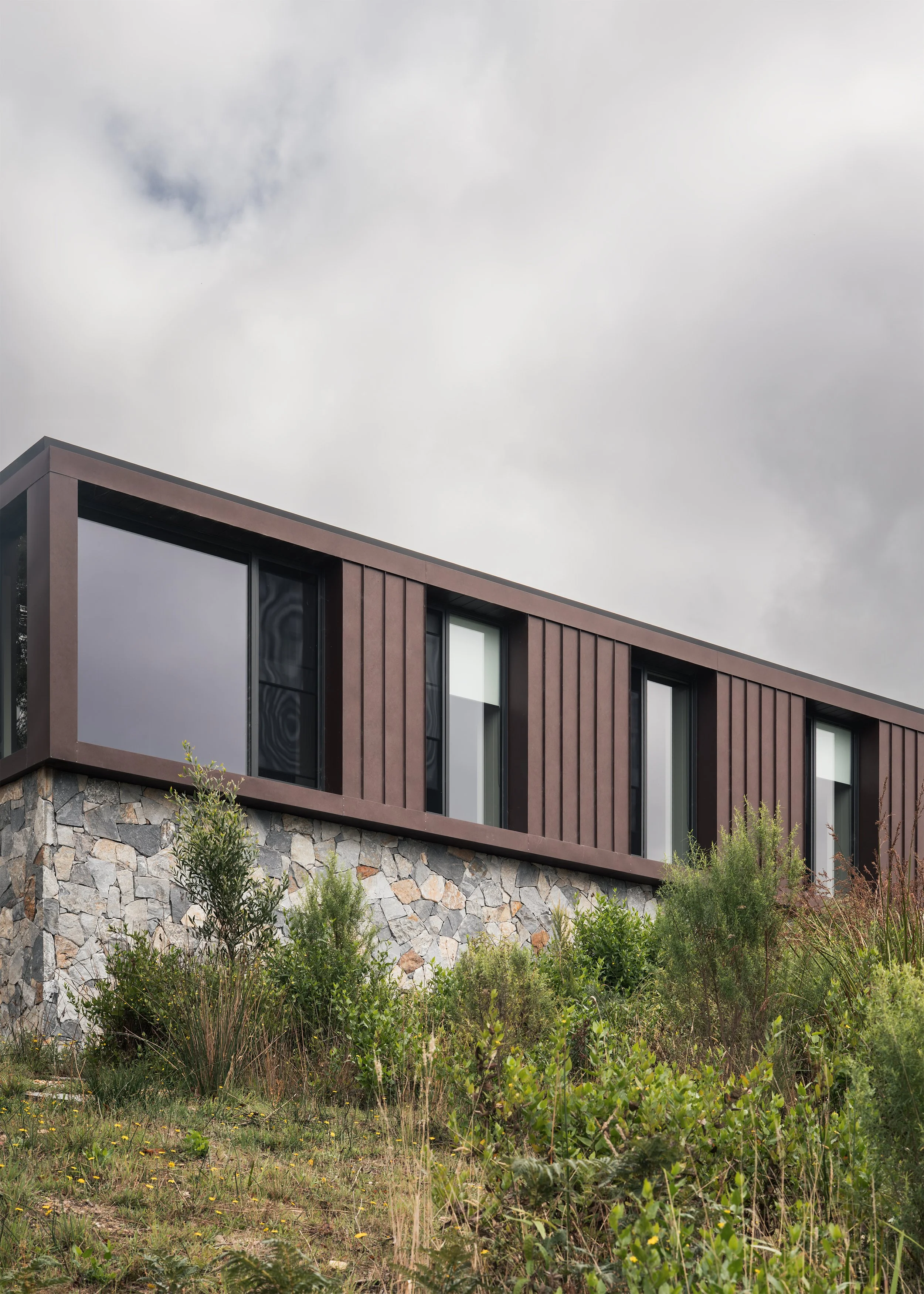
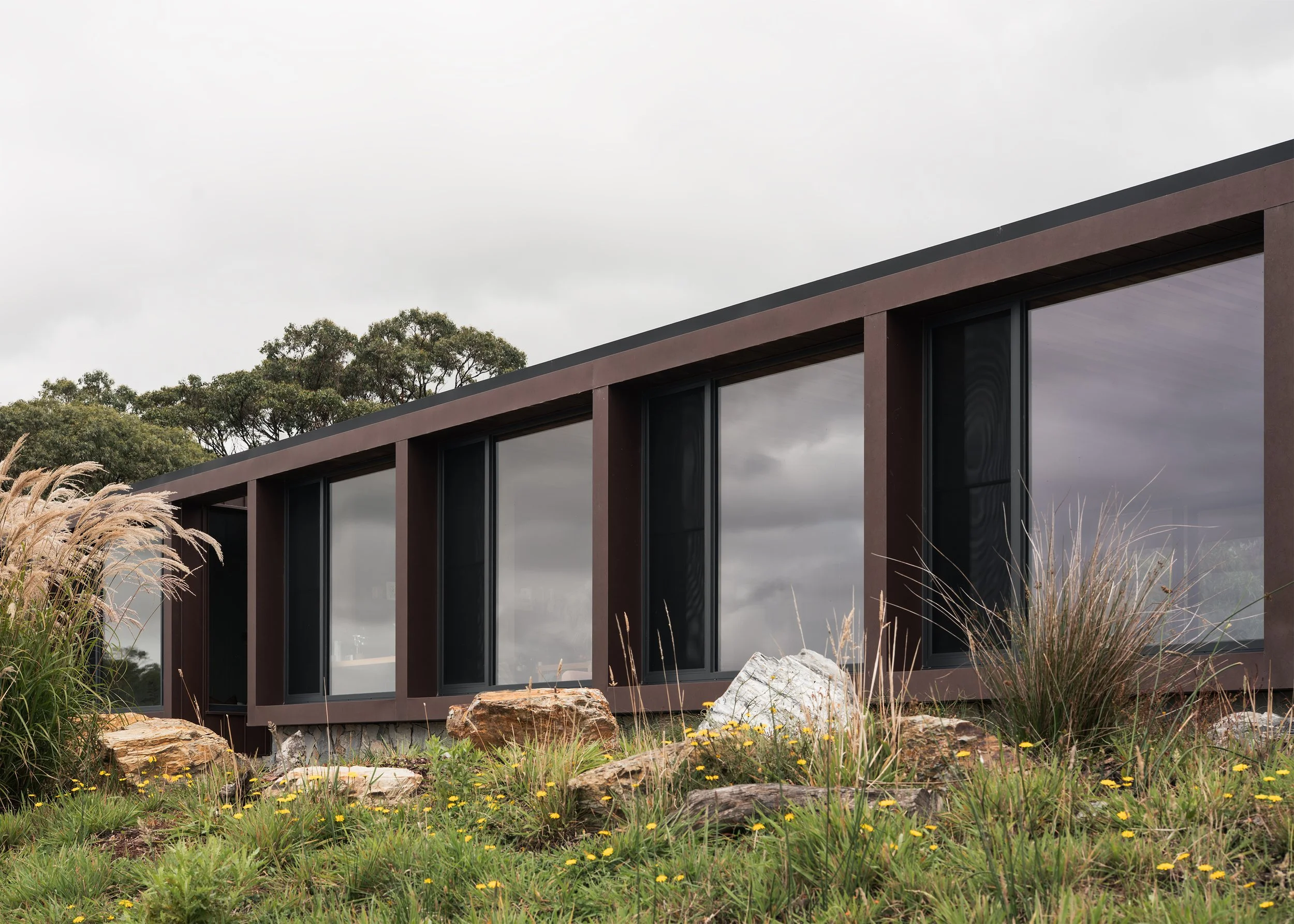
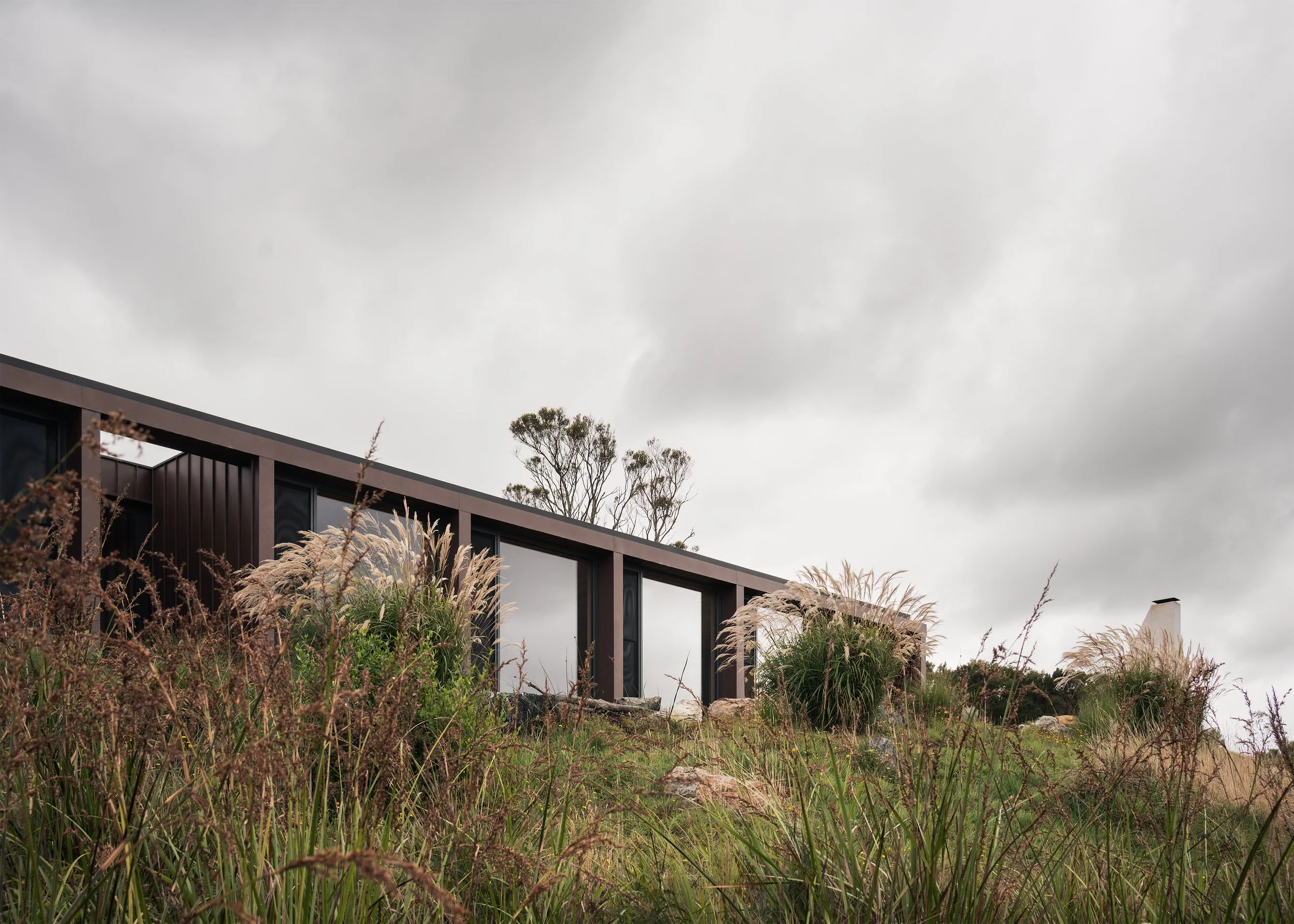
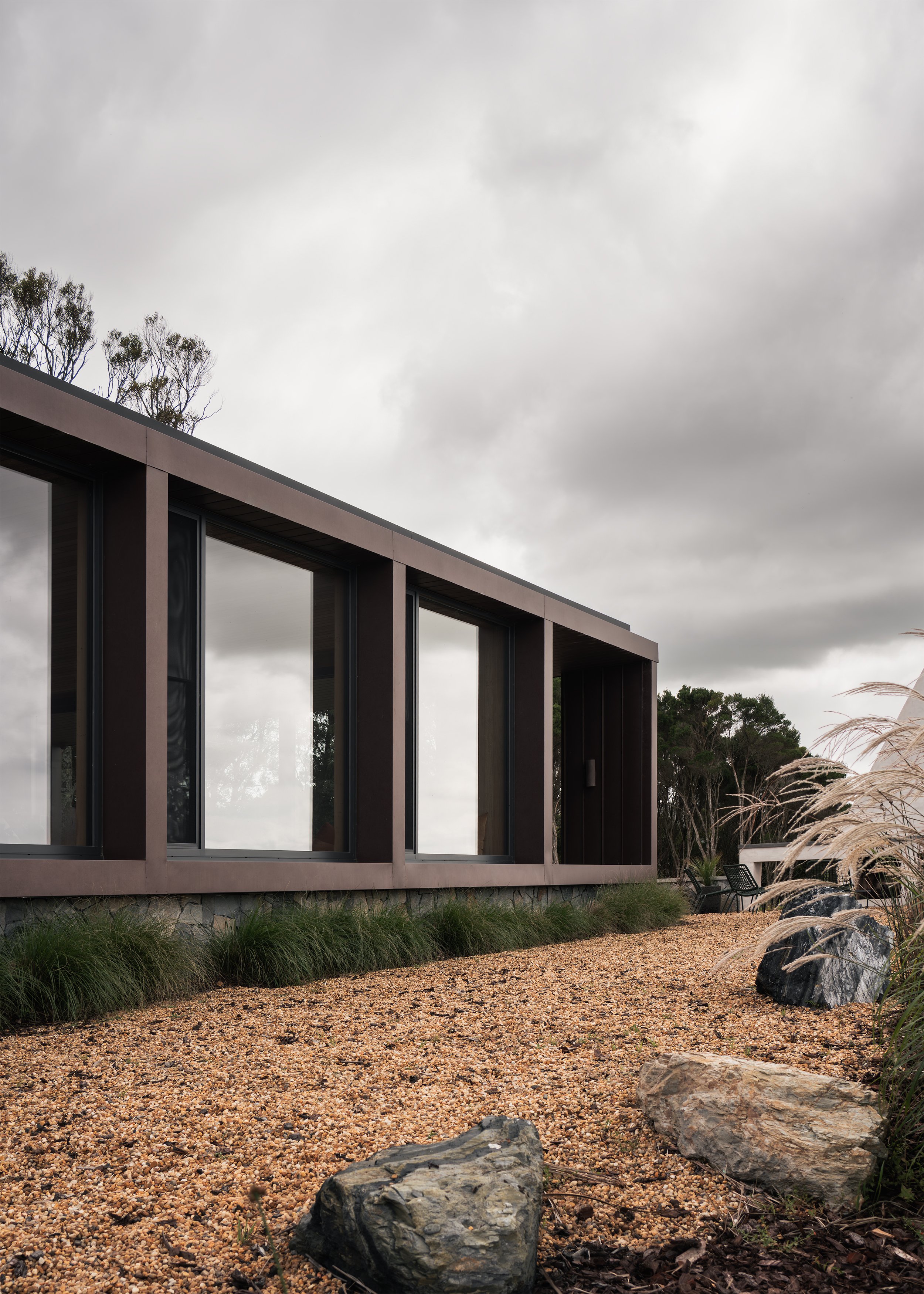
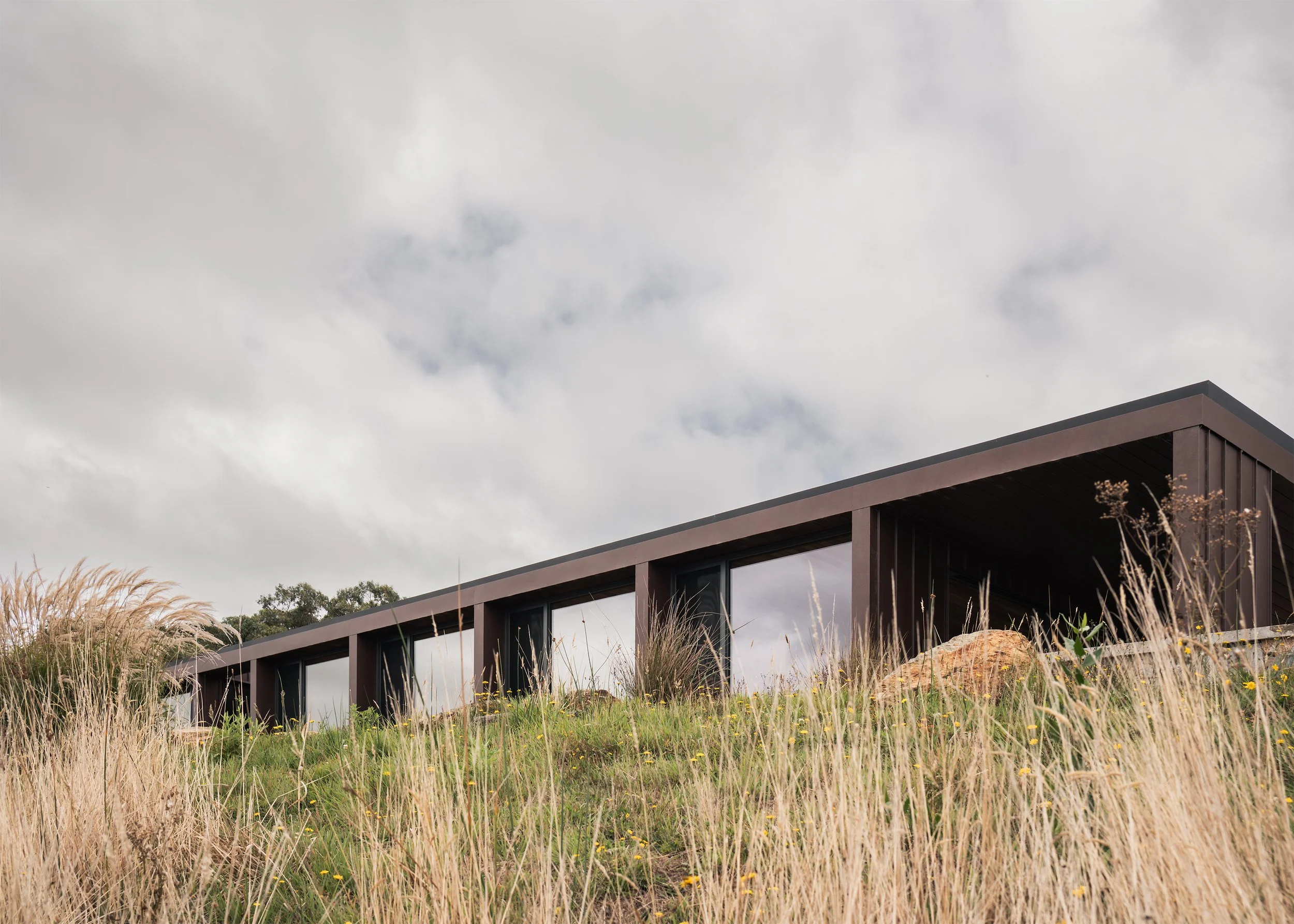
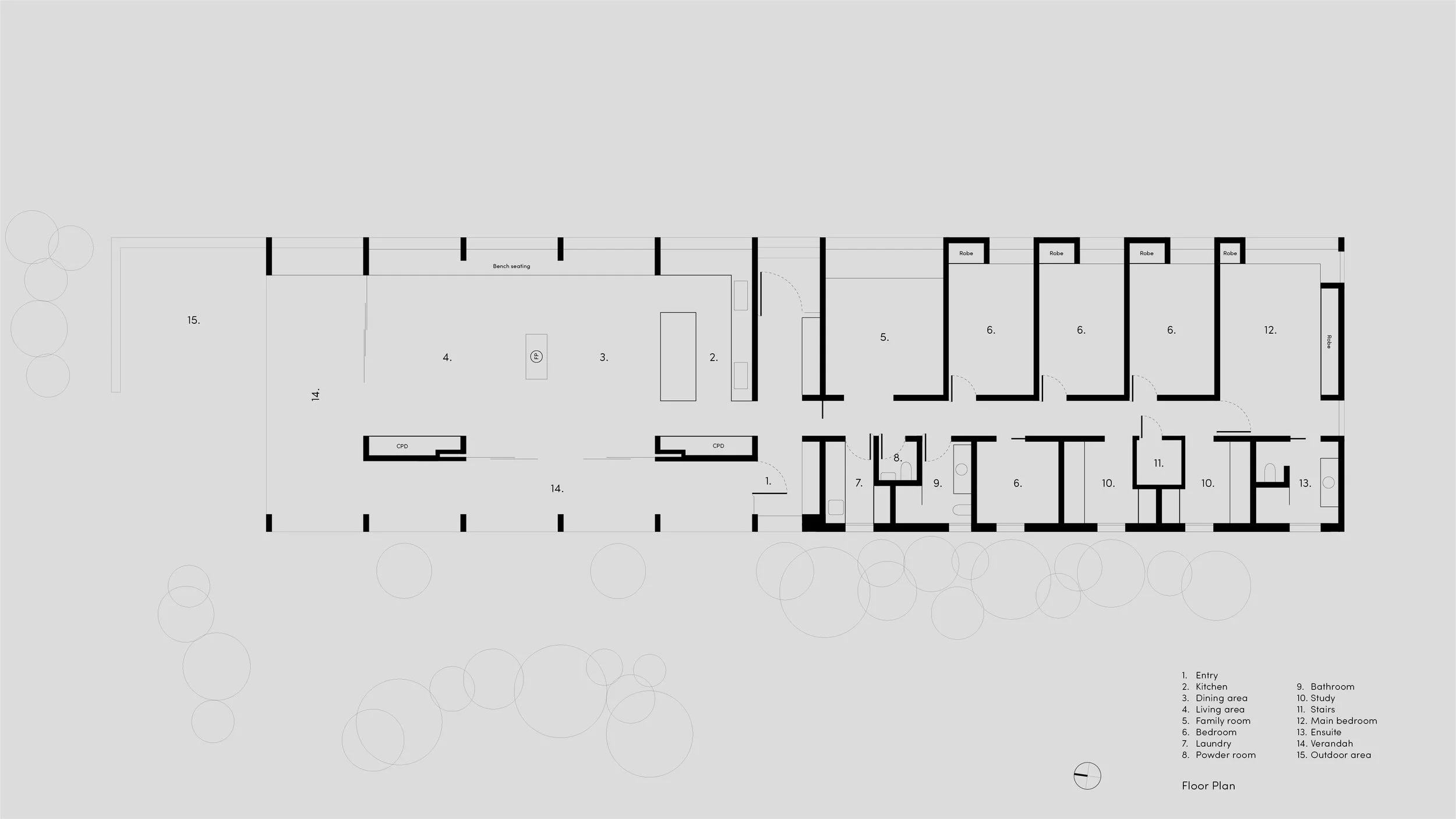
The central decision was to organise Horizon House as a long, low horizontal form. Rather than concentrating the program into a taller object, the building stretches along the hill and aligns with the distant horizon. This lowers its visual impact and gives the main rooms a consistent relationship with the view. The form is direct, but not neutral: its length intensifies the experience of moving between open living spaces, a protected entrance and the more private bedroom wing.
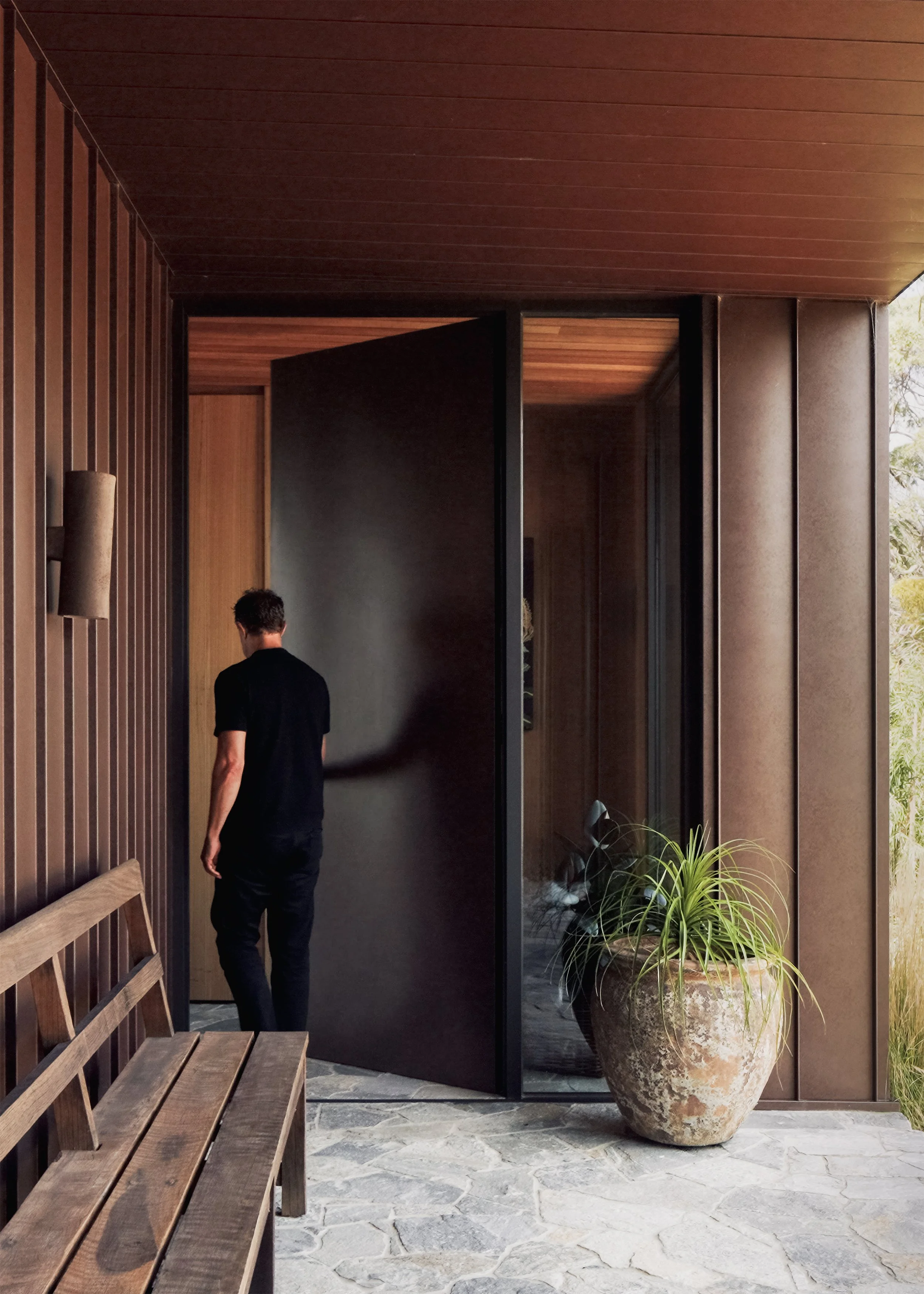
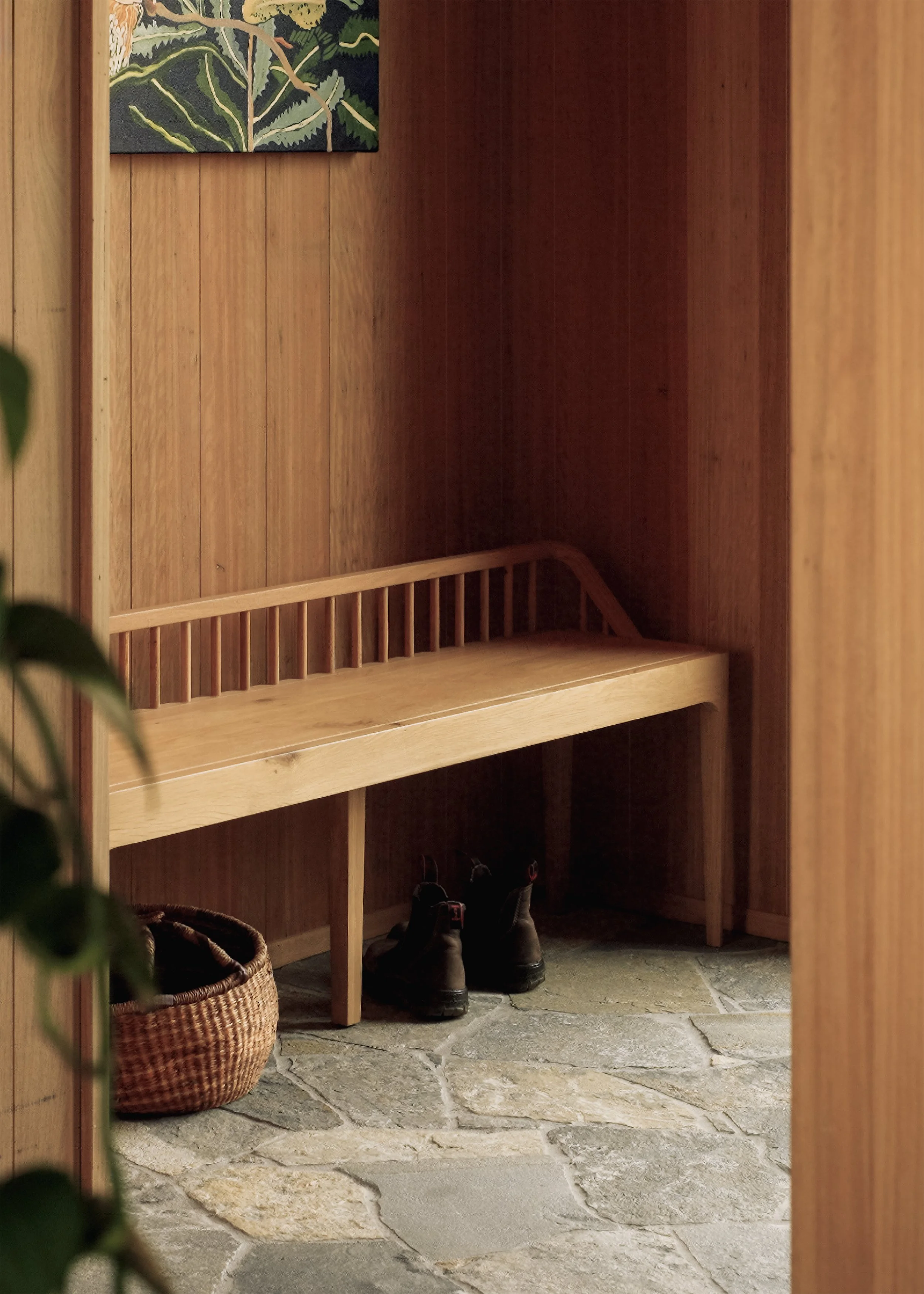
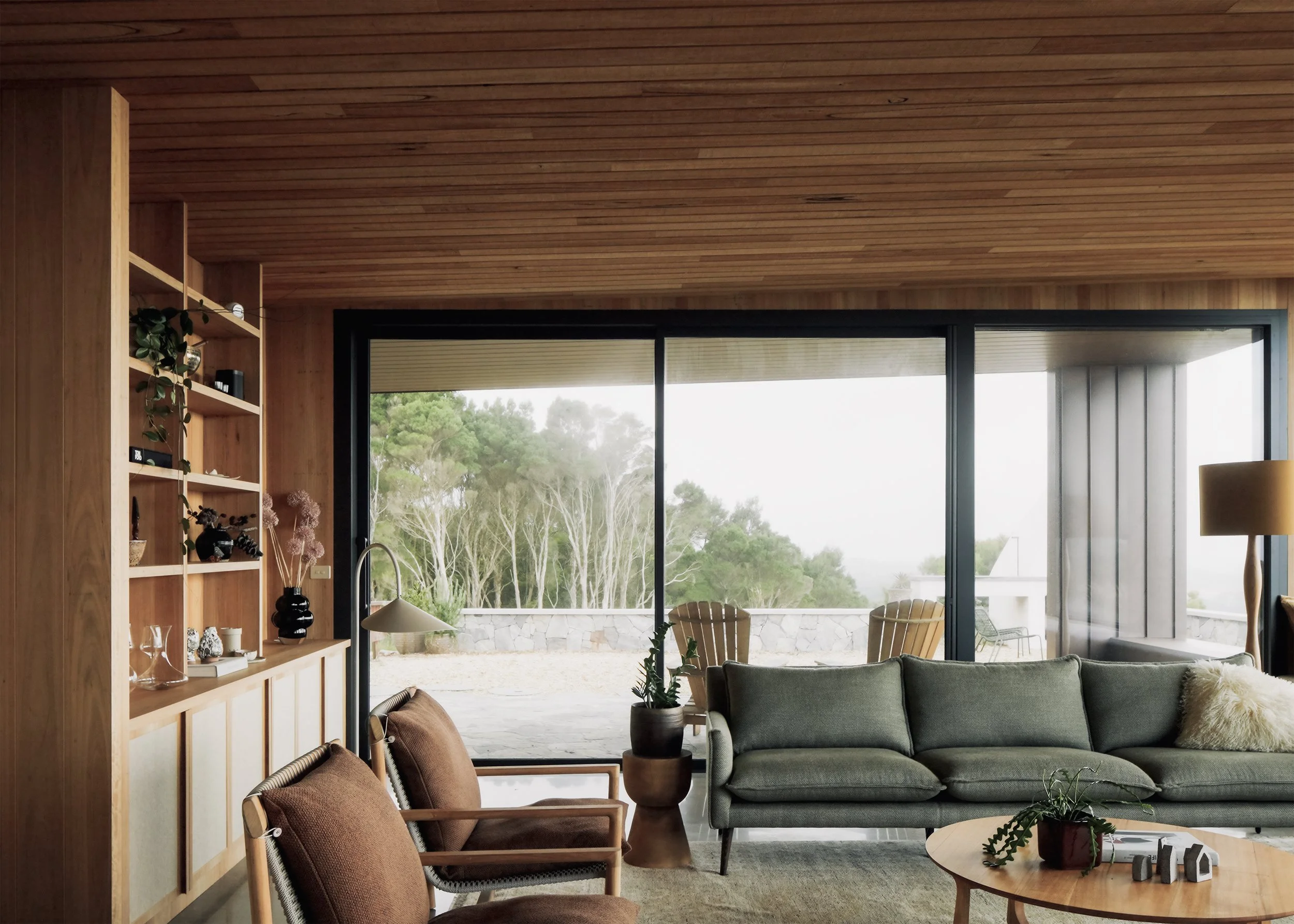
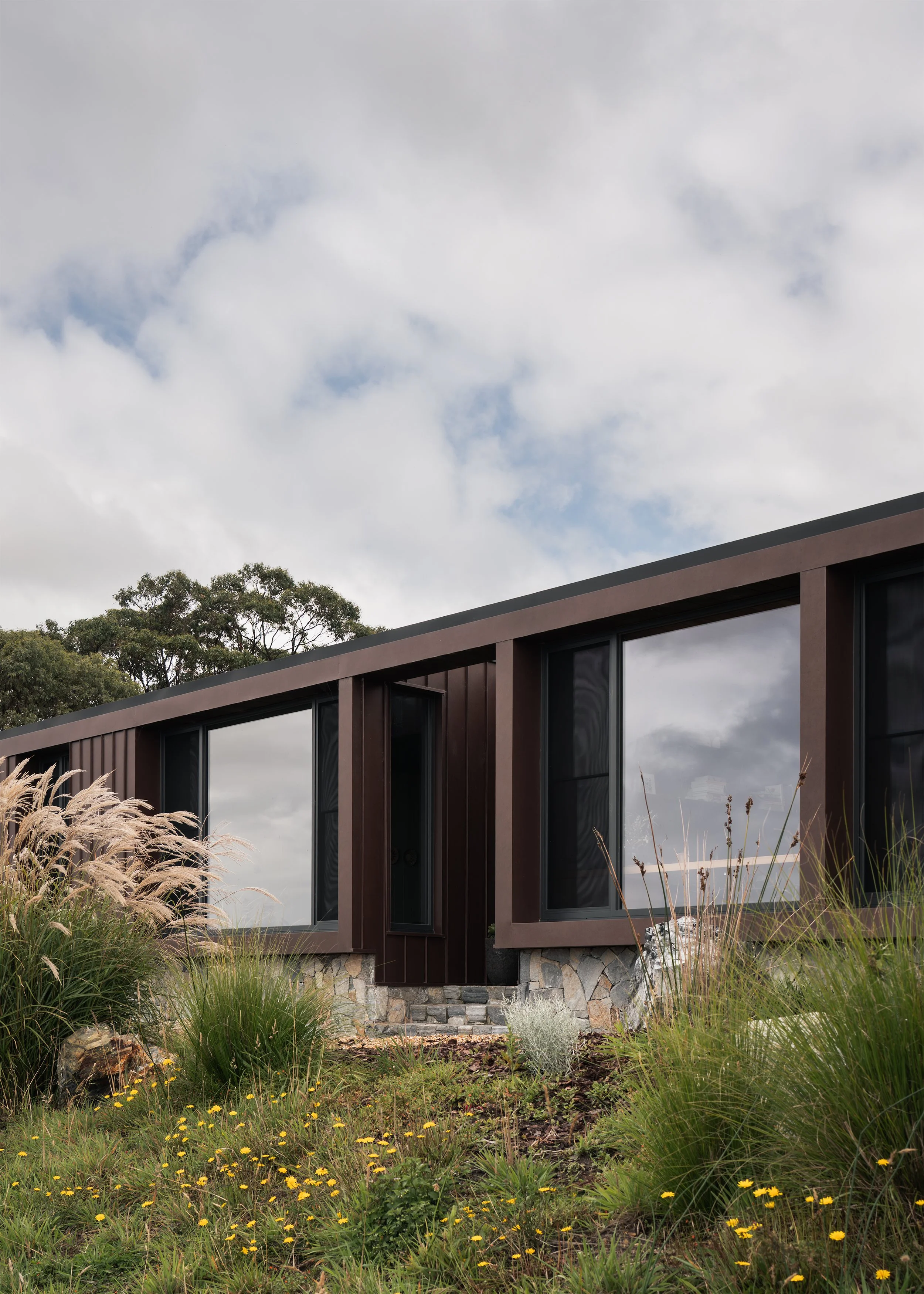
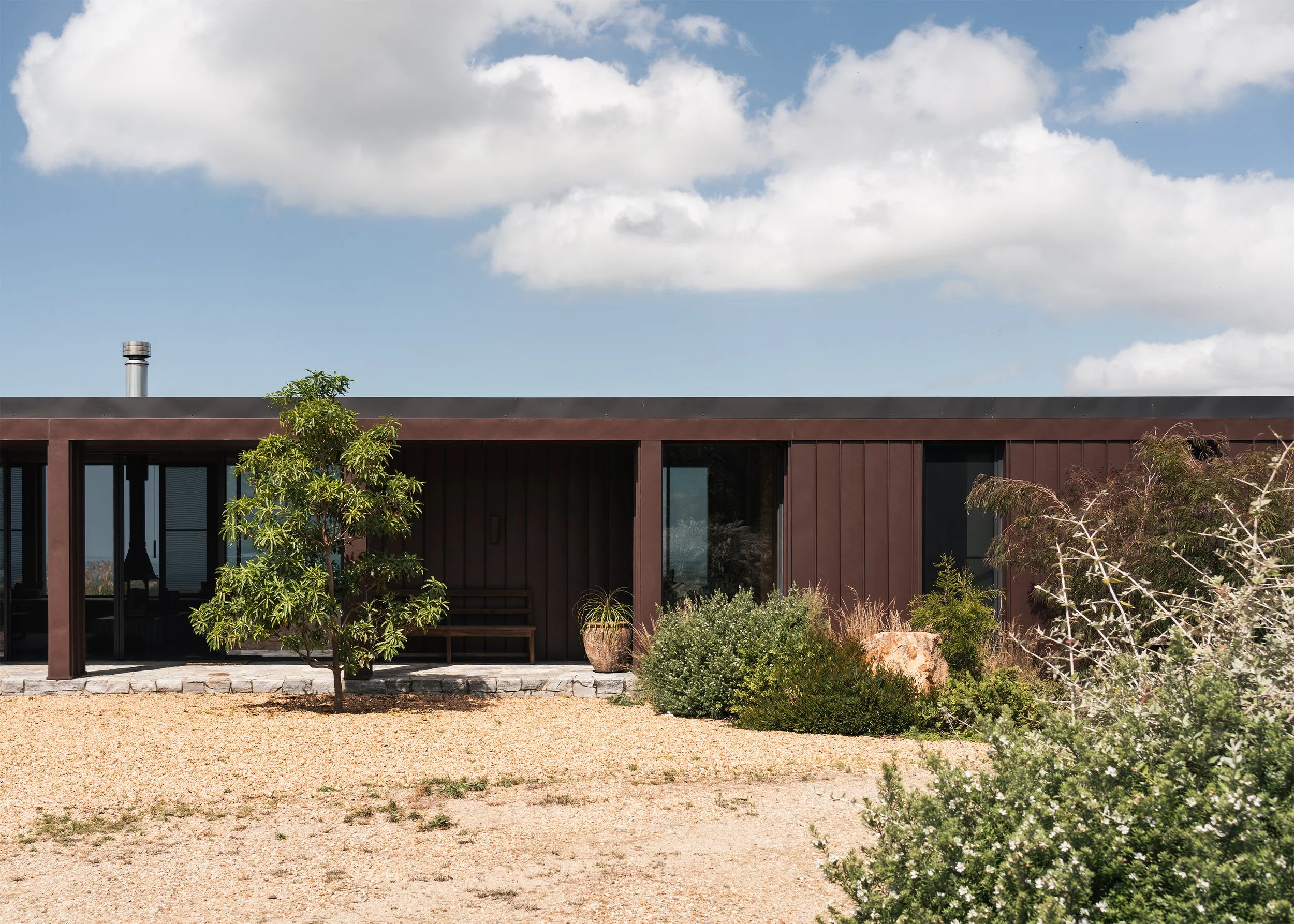
A central mudroom establishes the point of arrival and divides the plan into two clear zones. The north-facing kitchen and living area occupy one side, while bedrooms extend towards the southern end. Wide verandas wrap the public rooms, creating shade, weather protection and an outdoor edge that remains usable across different conditions. These verandas are not decorative additions. They deepen the facade and place a sheltered buffer between the interior and the exposed hillside.
The project’s structural simplicity was also an economic decision. Repeated beams, rational window sizes and a controlled linear plan reduced unnecessary complexity. This allowed the architects to focus expenditure on the quality of the main spaces, durable materials and long-term environmental performance. The simplicity of the form therefore operates at several levels: it clarifies the architecture, supports construction efficiency and gives the landscape greater visual presence.
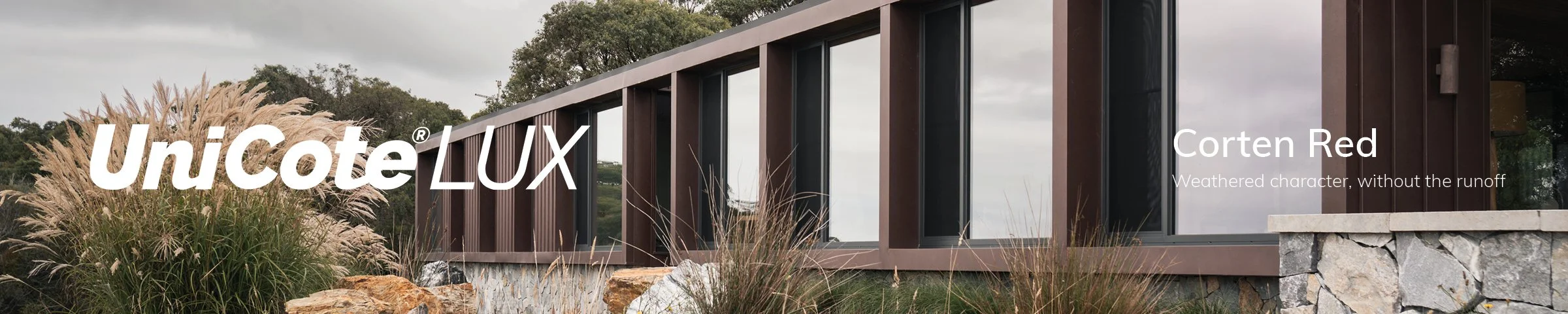
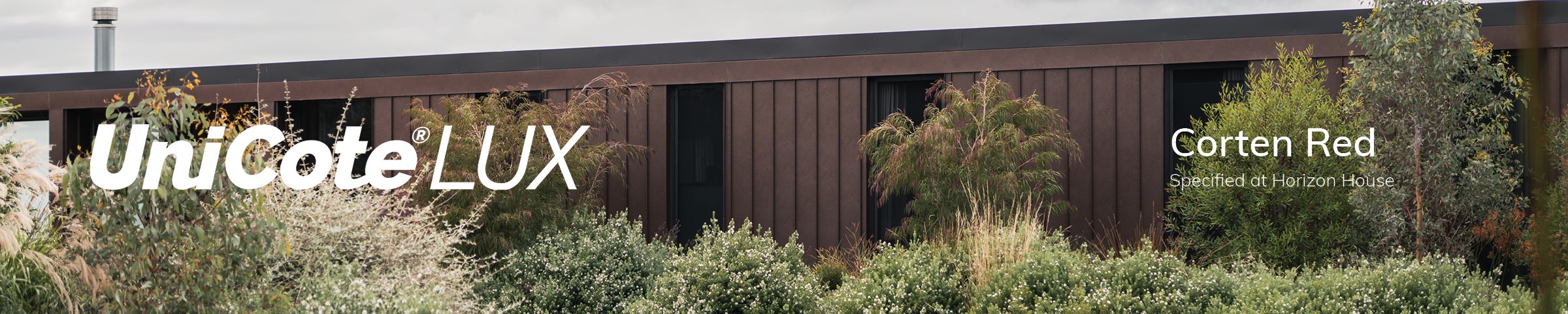
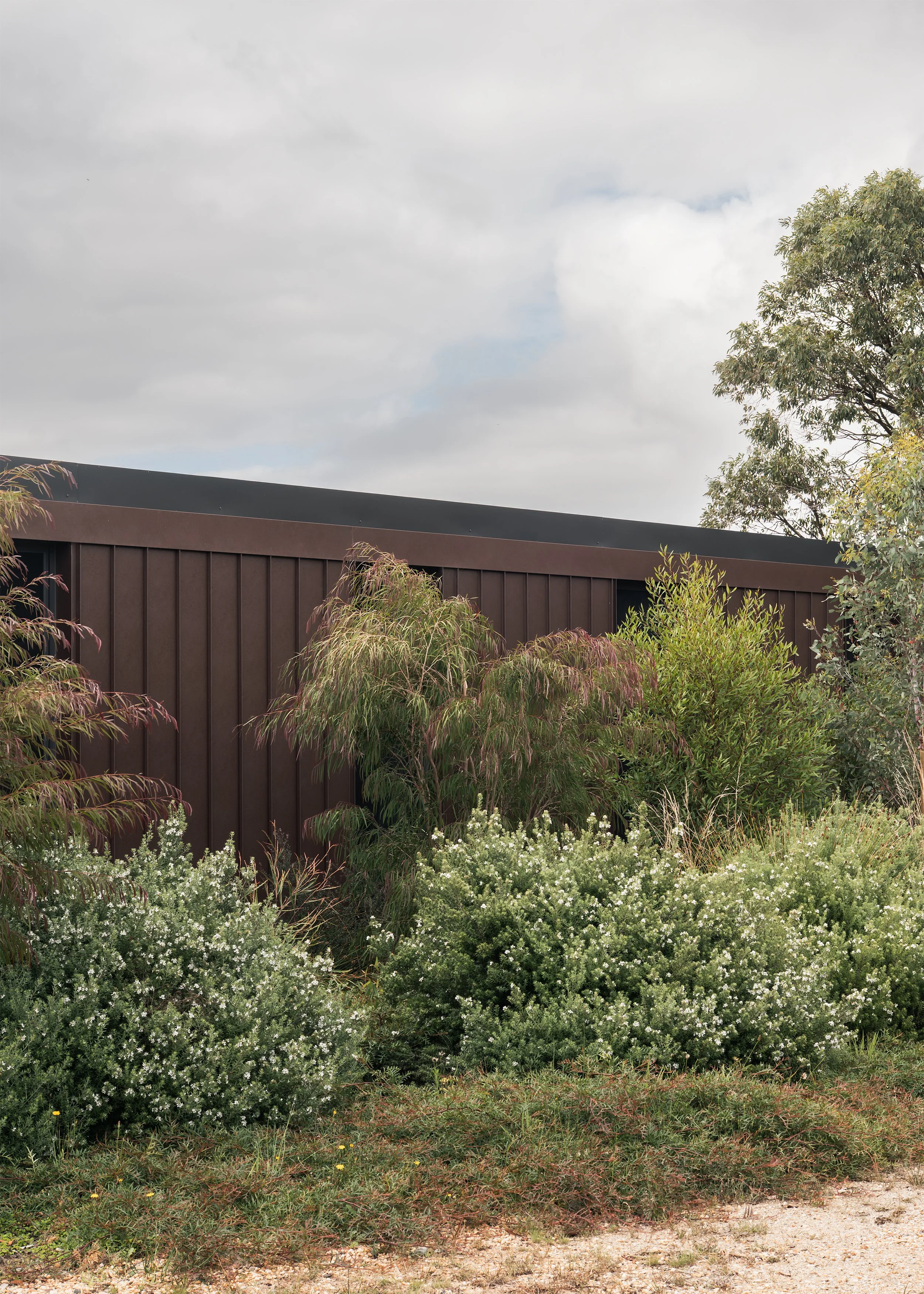
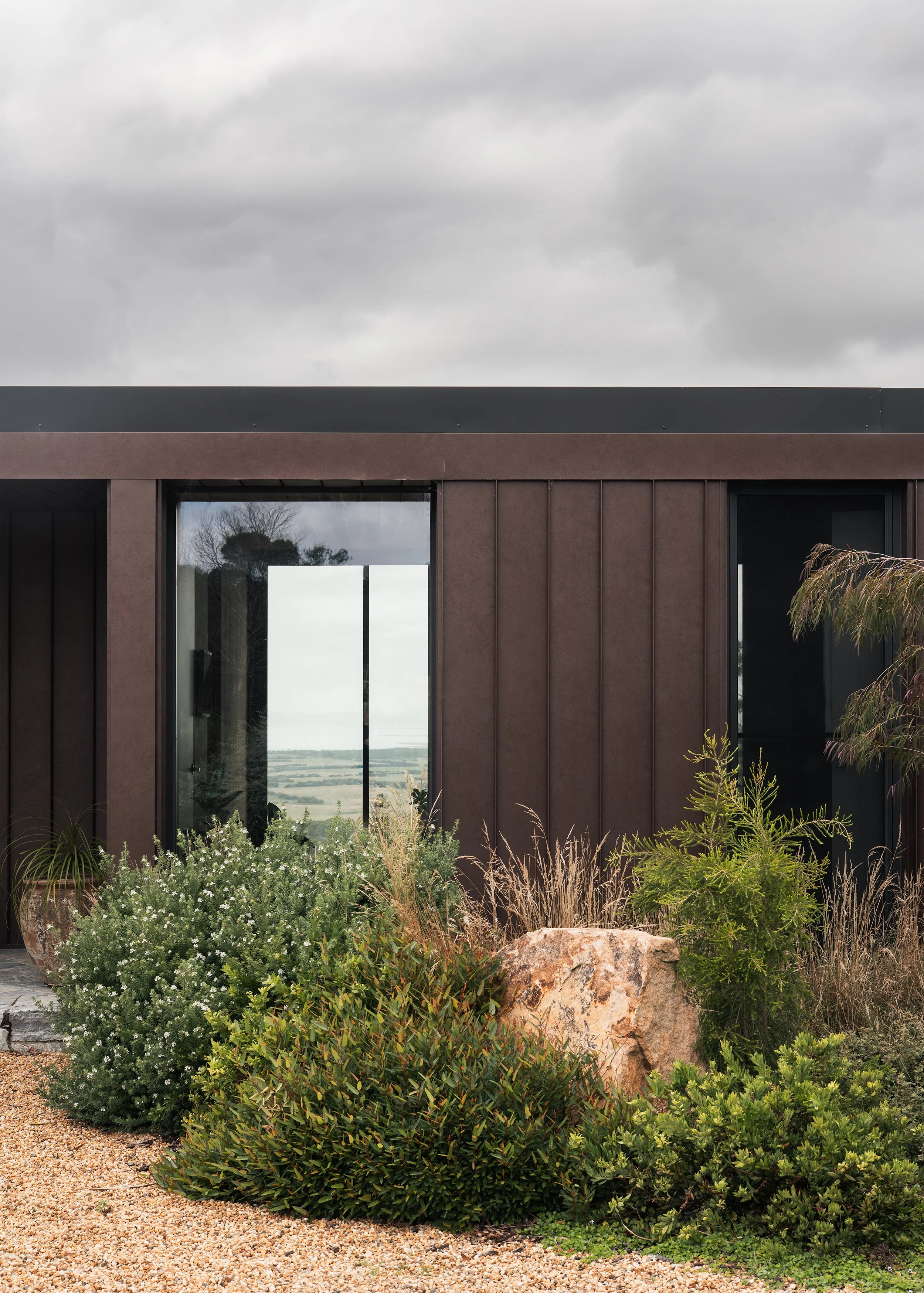
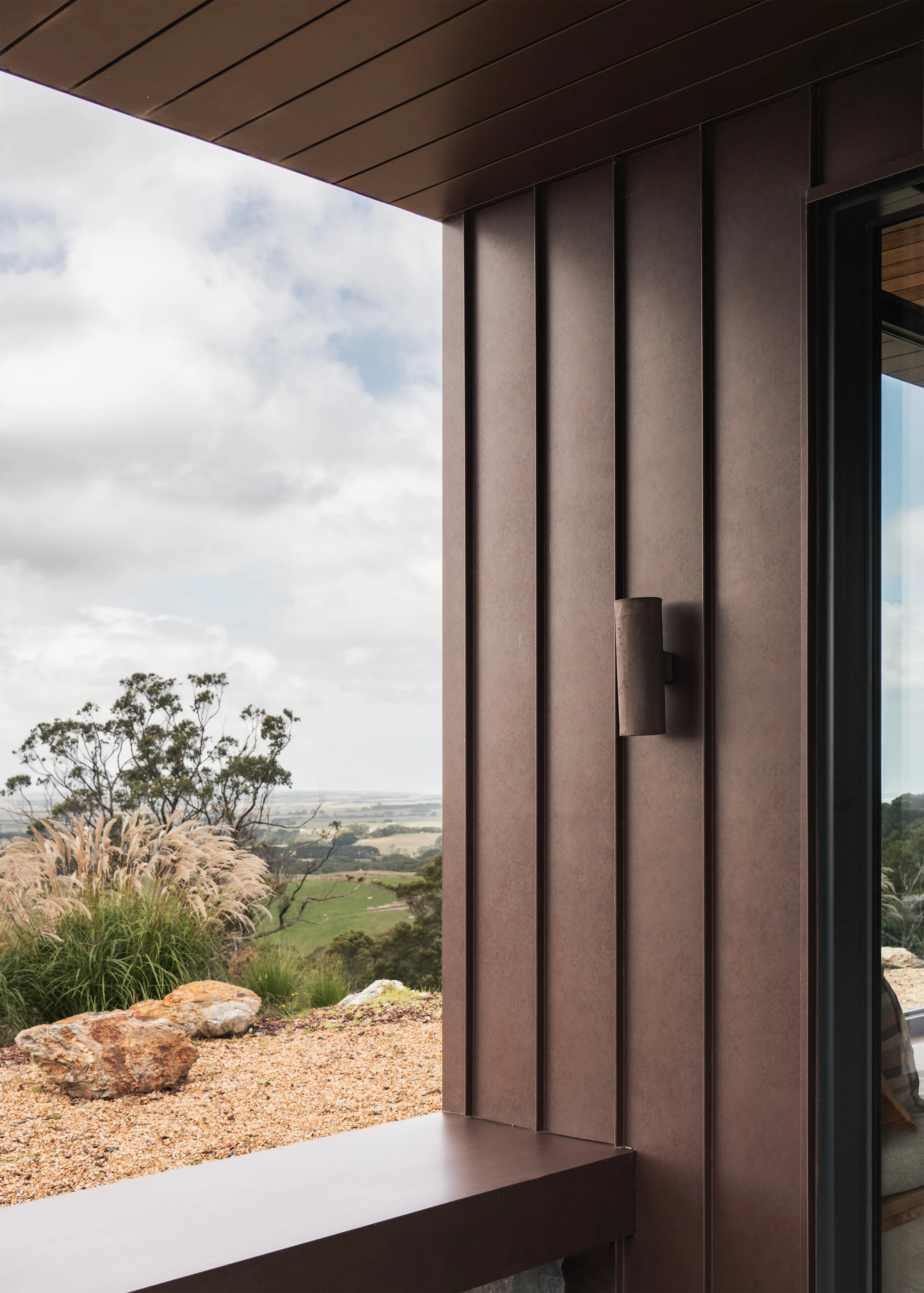
The external envelope carries much of the environmental pressure. Ross and Kathy wanted a material that could withstand the weather while bringing warmth to the building. The architects were drawn to the way Corten steel sits within rural landscapes, particularly its rusty hues and relationship to soil, bark and seasonal vegetation. Traditional weathering steel, however, could leach onto paving and adjoining surfaces. UniCote LUX Corten Red offered the desired character in a lightweight, low-maintenance and non-combustible pre-finished steel cladding. Its multi-coat system supports durability and the requirements of the BAL-40 site without the same rust runoff.
The material decision has an architectural consequence beyond performance. As the garden has established around Horizon House, the red-brown cladding has become increasingly connected to the natural hues of the planting. It reinforces the low horizontal form but does not sharpen it against the landscape. The building remains confident and clearly constructed, yet the Corten Red finish allows it to recede among grasses, shrubs and distant farmland.
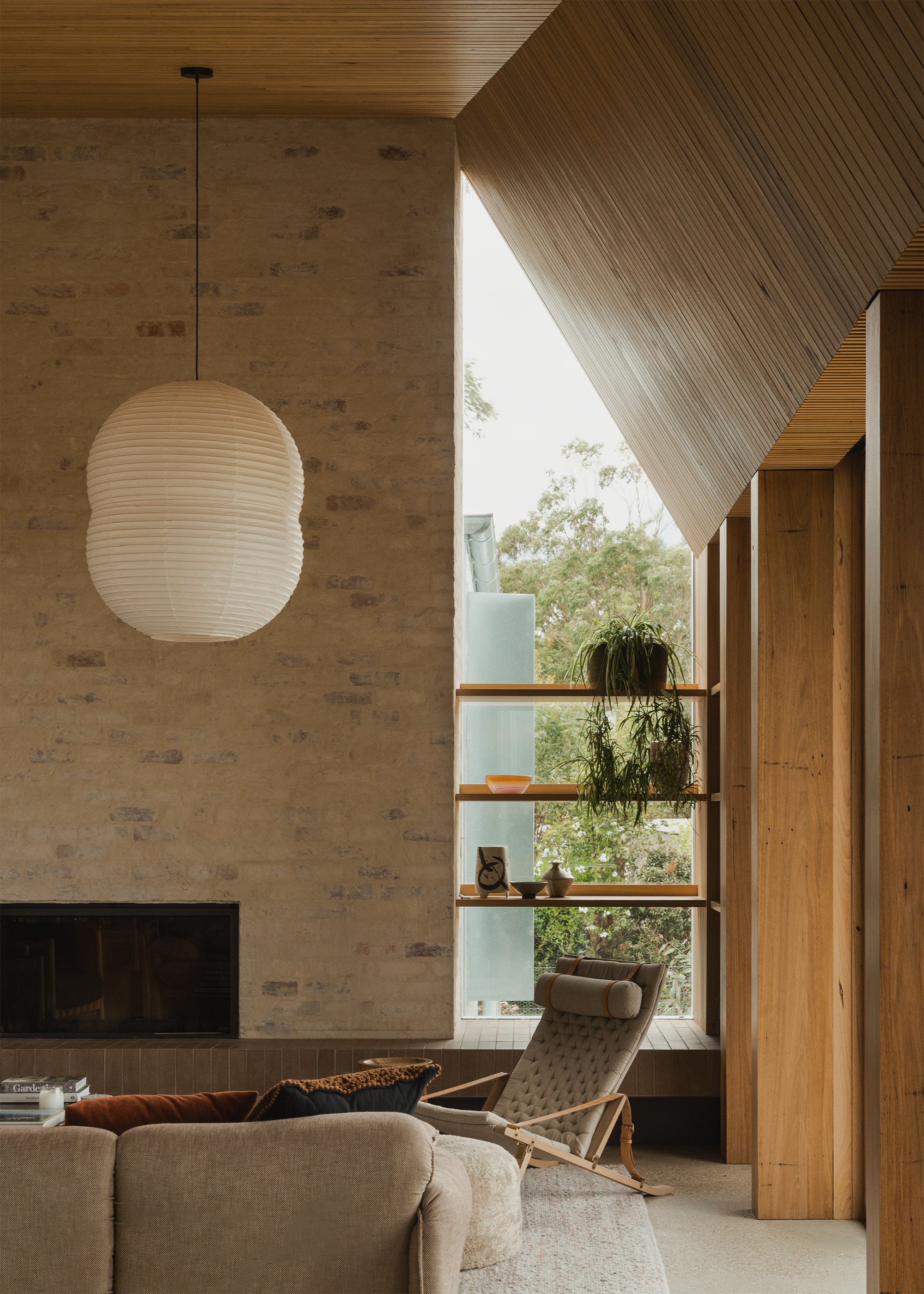
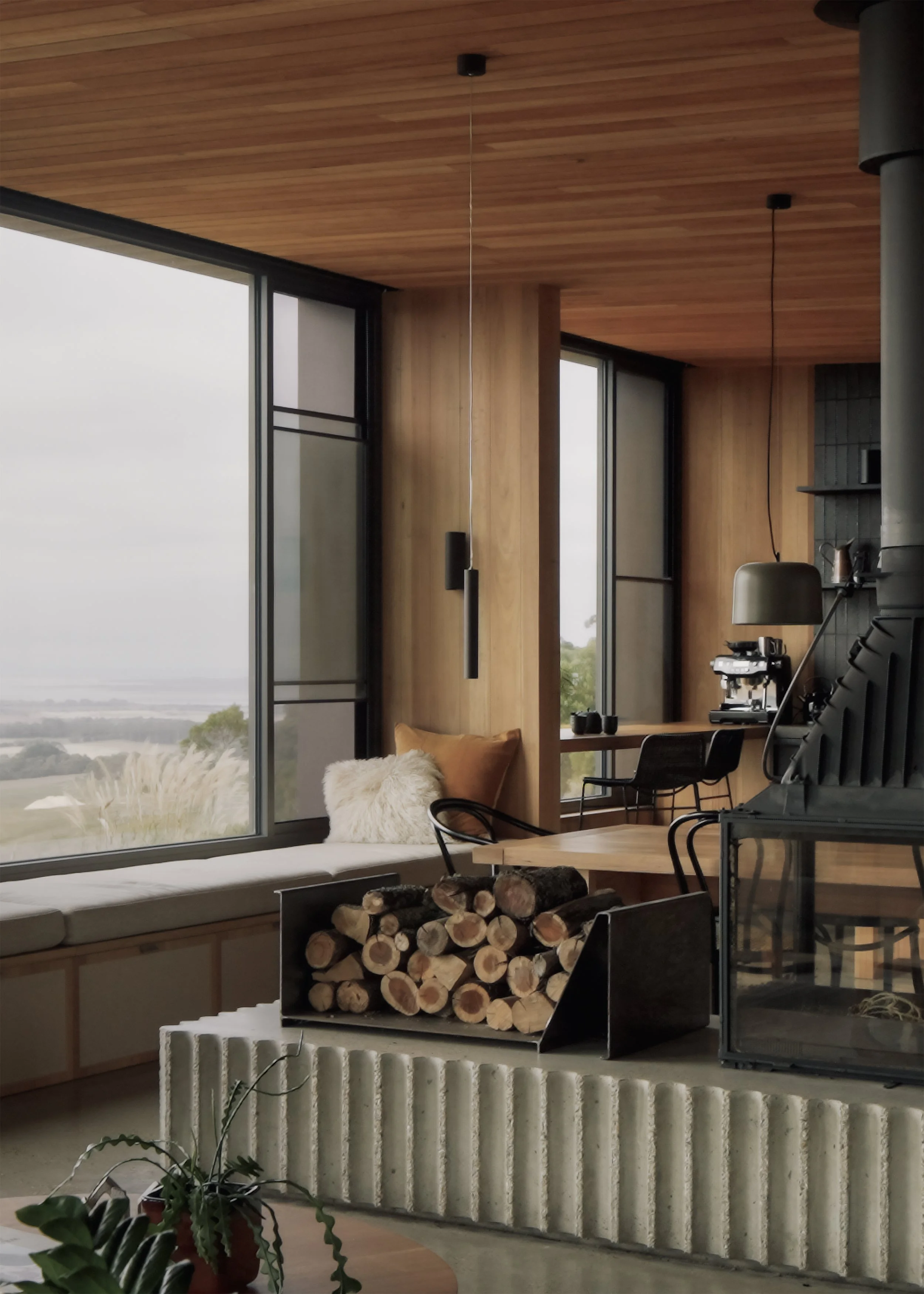
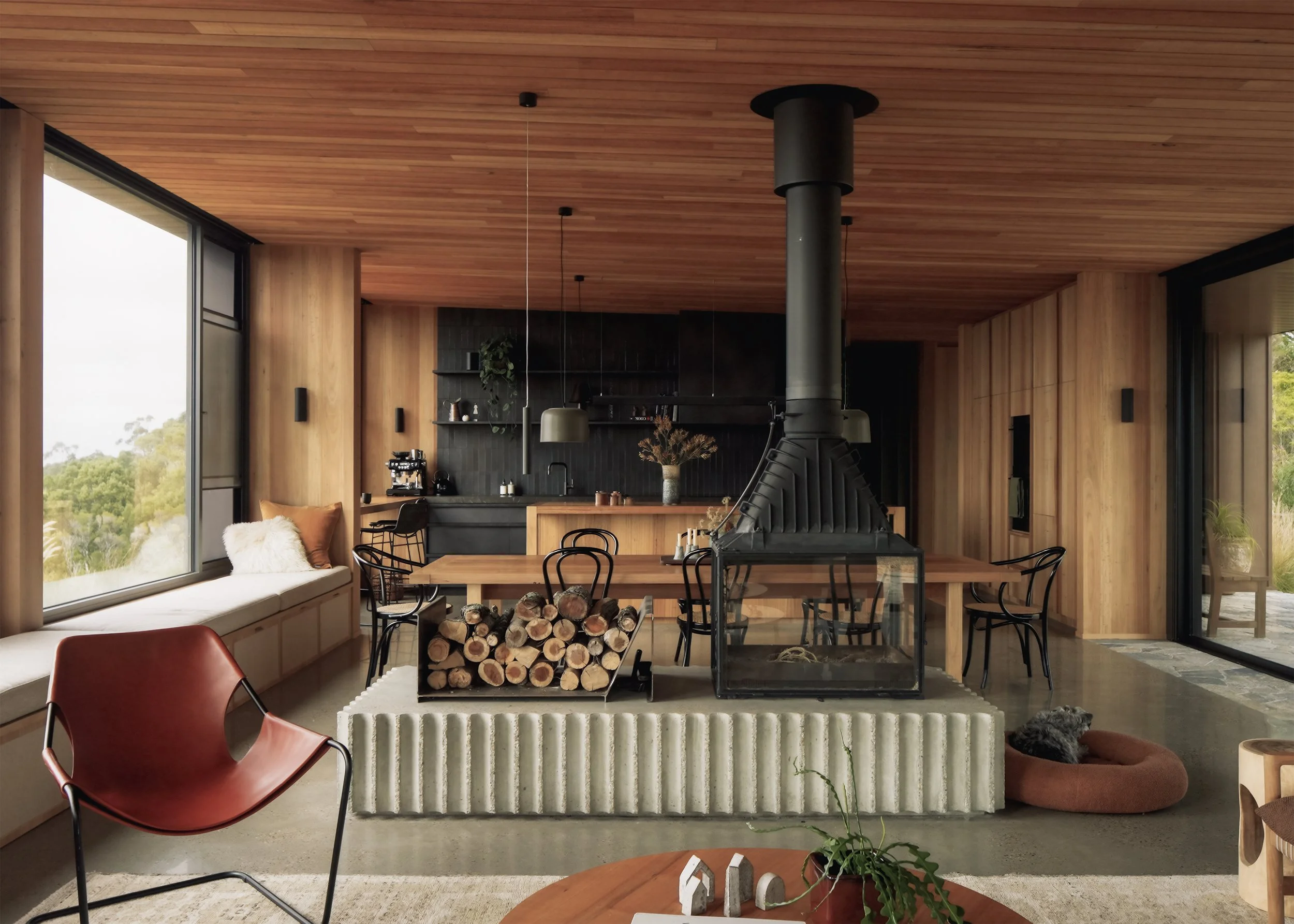
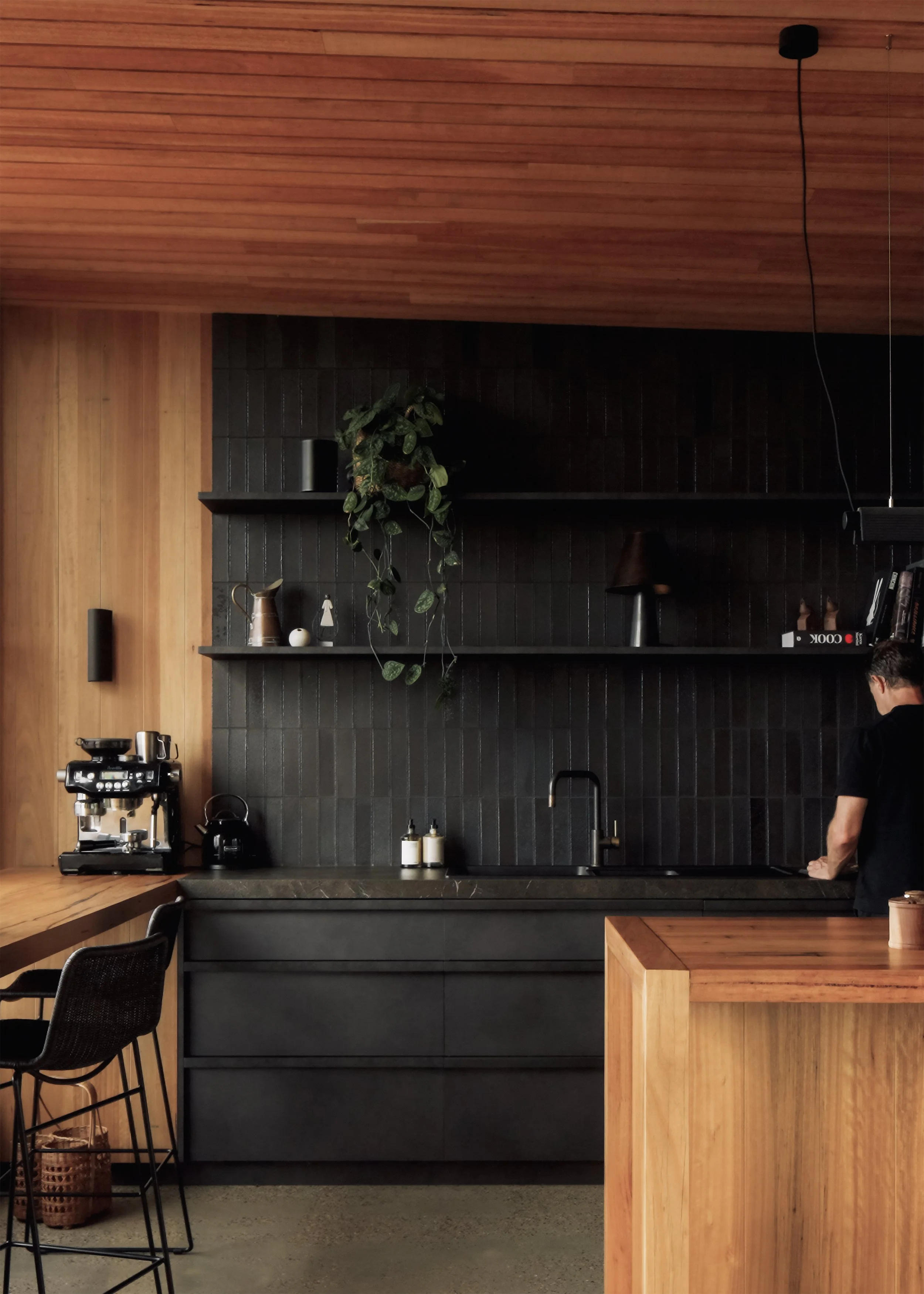
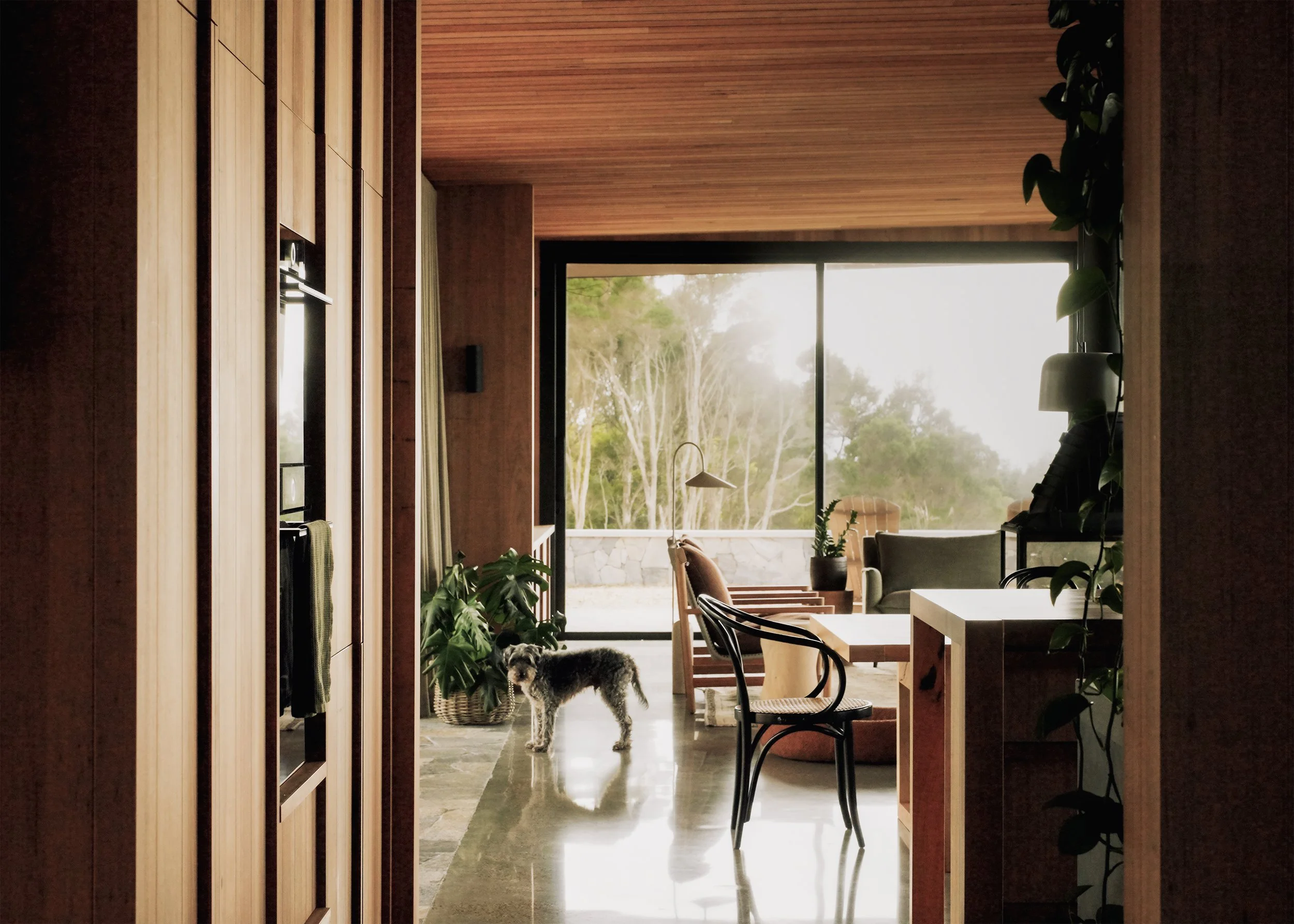
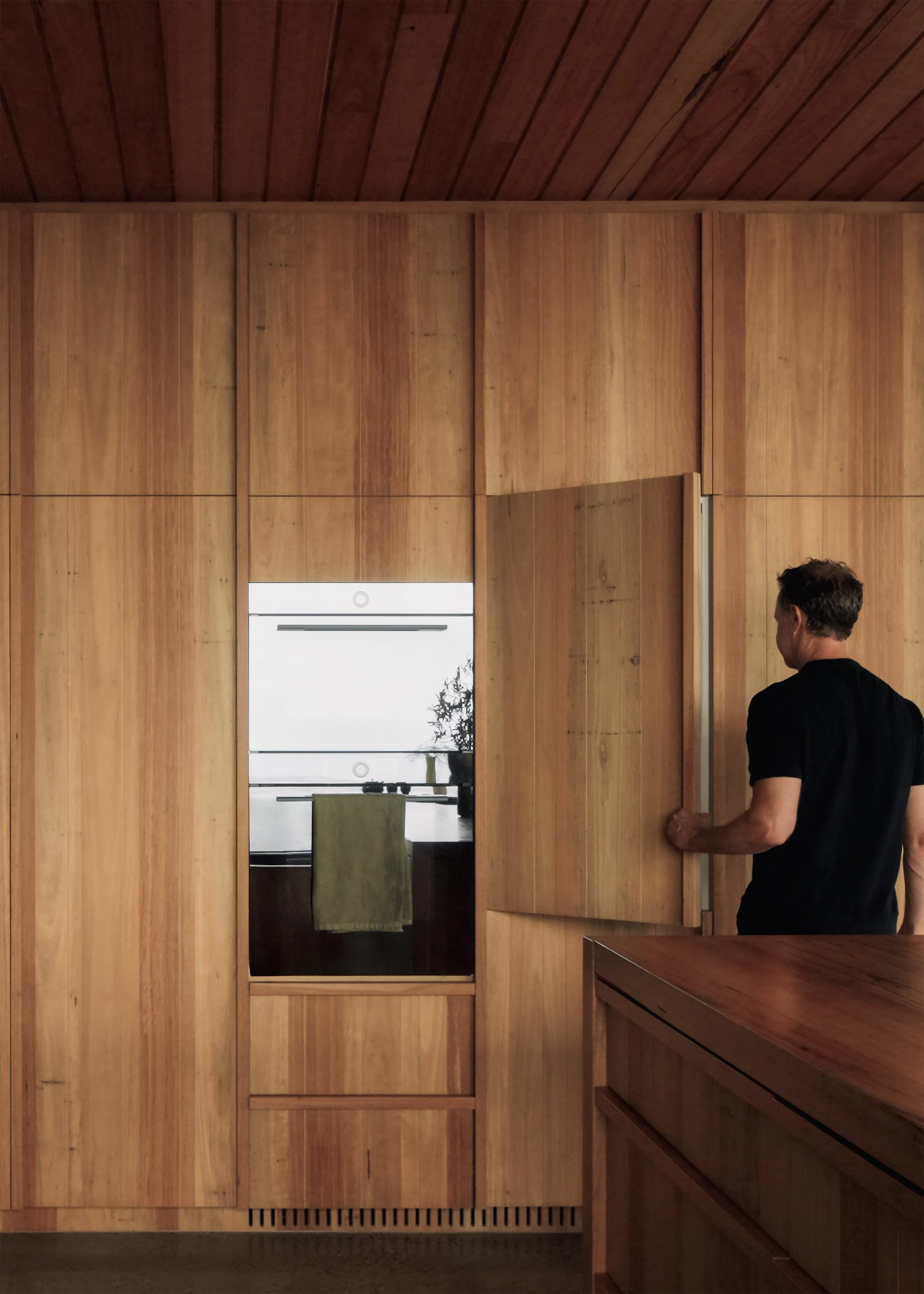
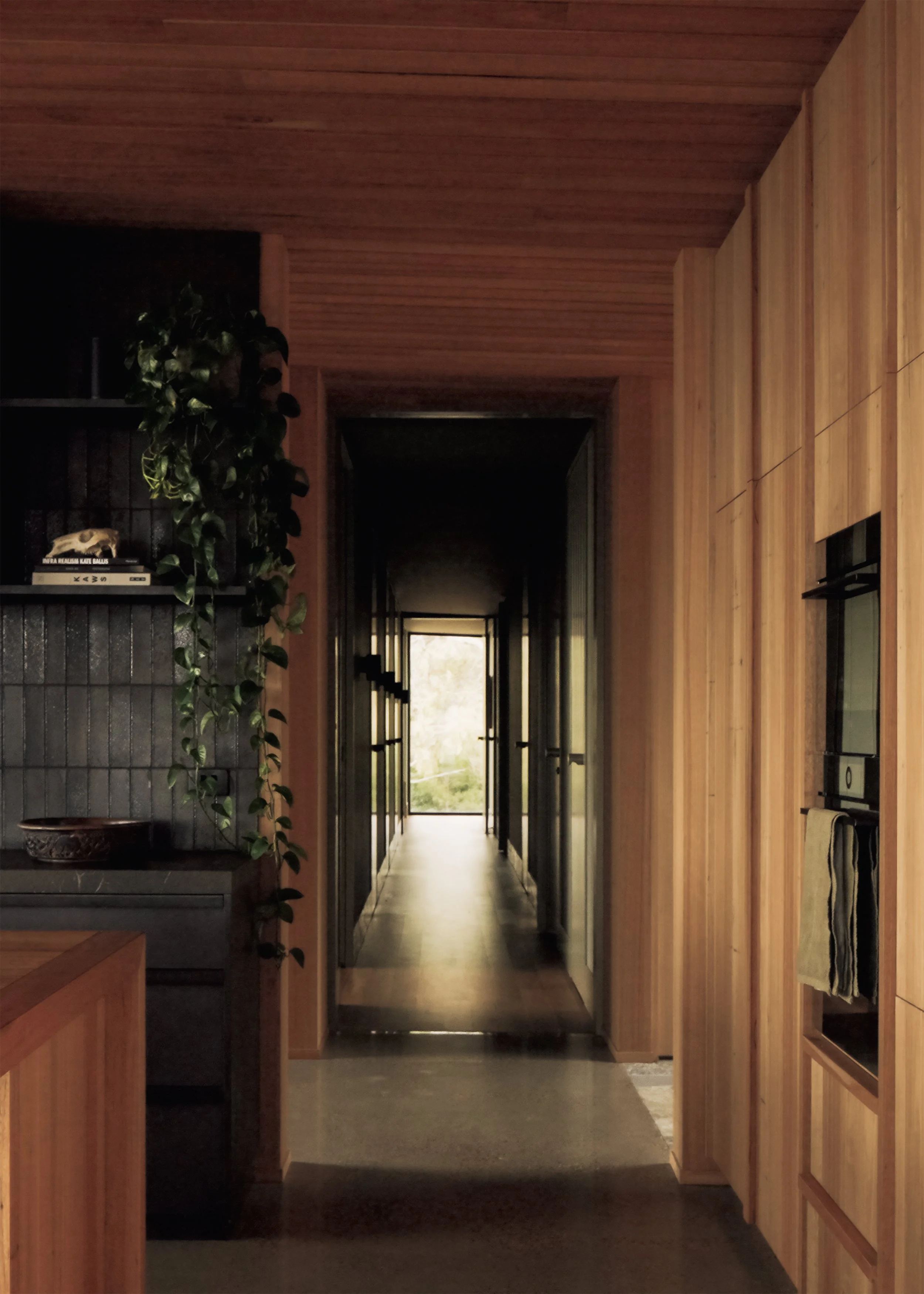
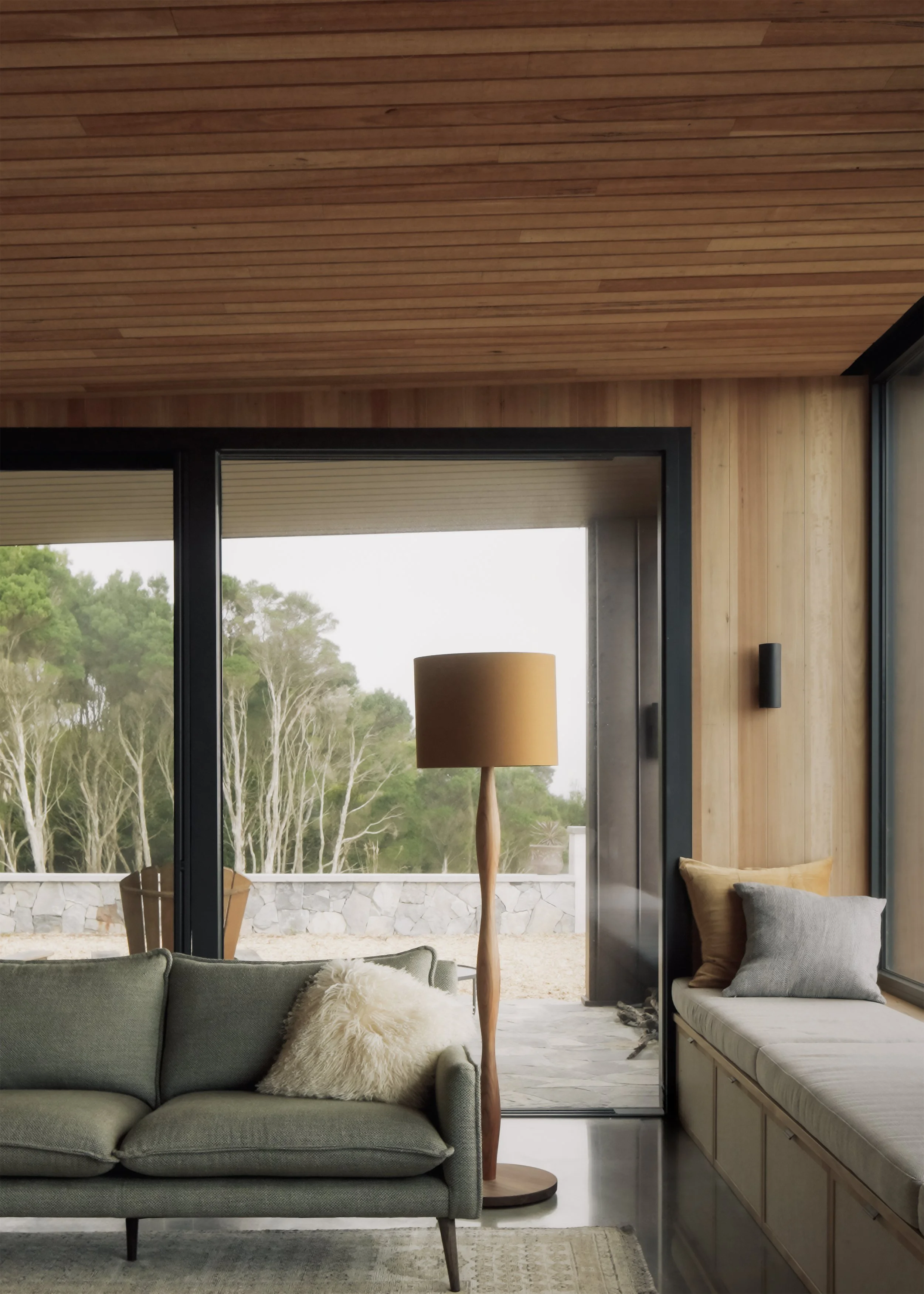
Inside, the palette changes to create a stronger sense of refuge. Blackbutt timber lines the main living room walls and ceiling, bringing warmth to a space otherwise defined by broad glazing and polished concrete. The timber continues into a dining table, kitchen benches and custom furniture made by the owners’ son, James, including pieces using locally sourced material. Local aggregate in the concrete floor and hearth further ties the interior to its region.
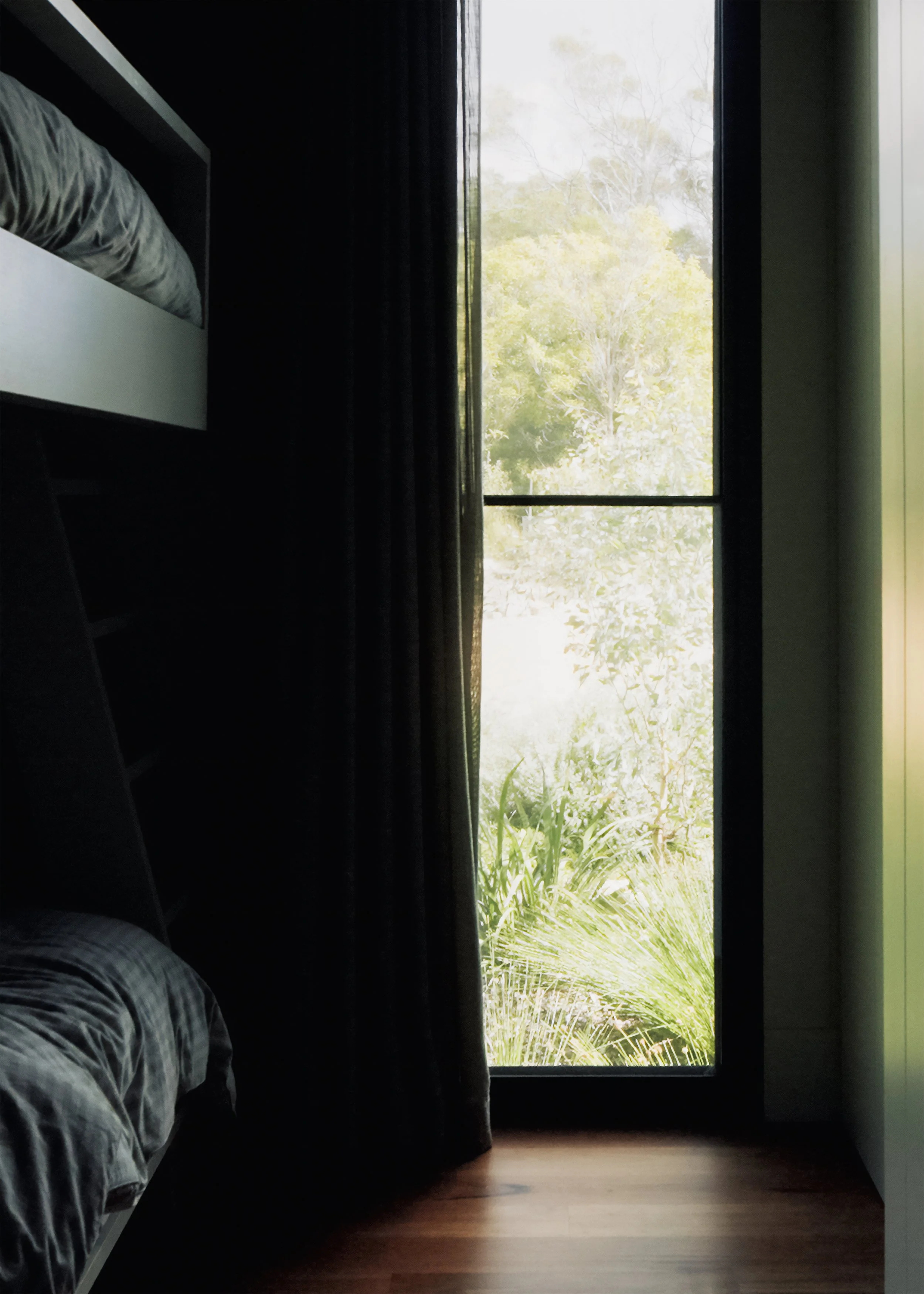
Additional finishes are used sparingly. Woven wallpapers introduce an earthy texture within the joinery, while dark cabinetry and Japanese tiles establish a concentrated focal point in the kitchen. In the bedroom wing, timber flooring replaces polished concrete and soft green appears in the render and stained joinery. Acoustic ceiling linings and wool panels behind the beds produce a quieter, more cocooned atmosphere. The contrast is deliberate: the exterior absorbs exposure, while the interior gathers warmth.
Horizon House also addresses long-term sustainability through its operational systems. A large solar array and battery help the house generate and store electricity. Rainwater collection supports the garden, while hydronic heating beneath the floors maintains an even temperature efficiently. The owners are also nurturing the surrounding landscape, propagating plants and encouraging regrowth so the building becomes progressively more embedded over time.
The consequence of these decisions is a house that frames the horizon while making the occupants feel protected from it. Its architecture does not deny the hostility of the site, nor does it romanticise rural exposure. The larger idea is that a durable house can still be quiet. Through a low form, disciplined planning and materials selected for both environmental resistance and visual restraint, Horizon House turns the pressure of place into a clear and lasting domestic structure.
Follow the publication by email
Receive new films and features on Australian homes shaped by restraint and place.

Related
Fishharven by Neil Architecture
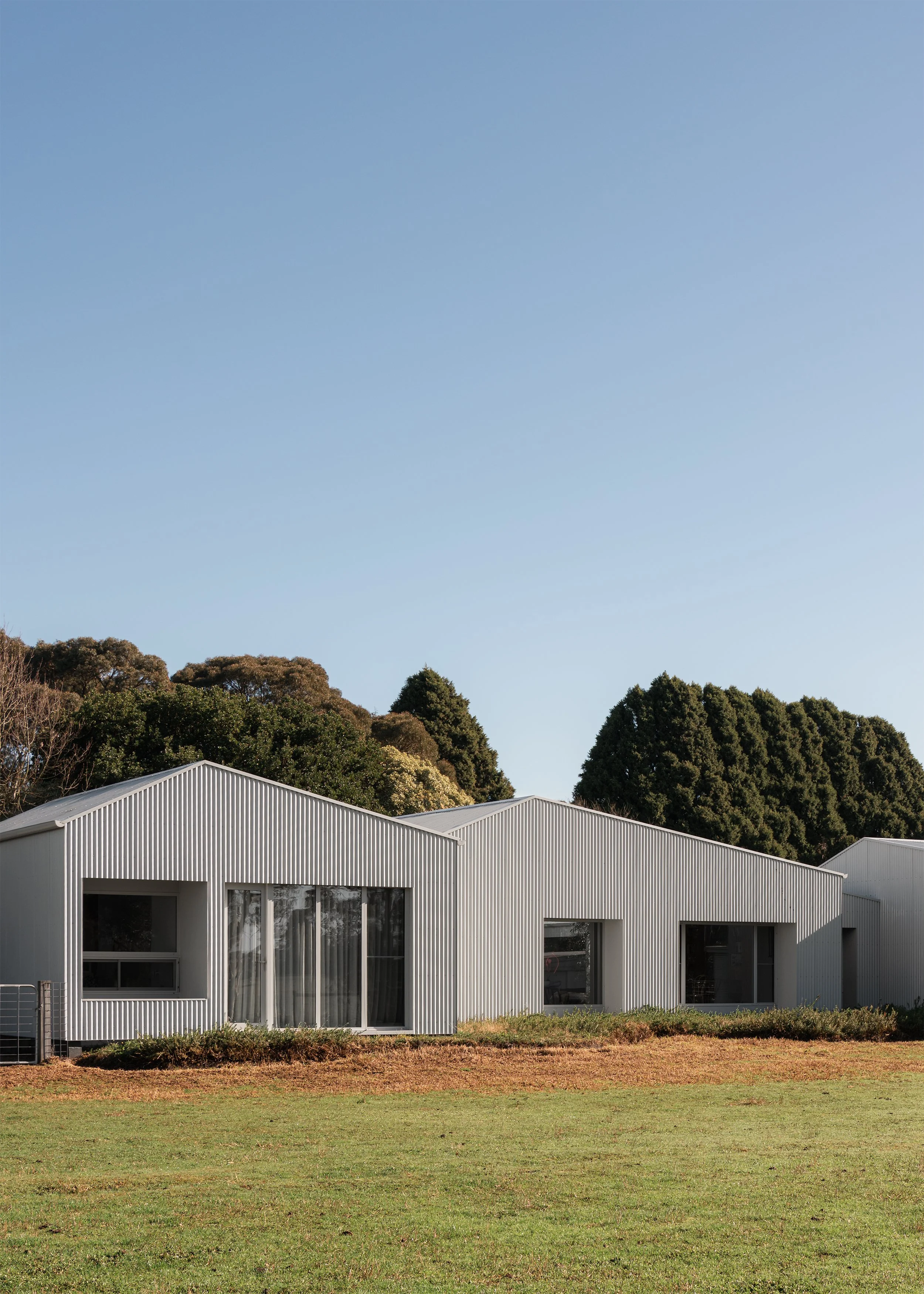
Outside Fish Creek in South Gippsland, Fishharven reinterprets the region’s agricultural sheds as three linked pavilions that frame views across Corner Inlet while creating a sheltered family retreat.
Related Features