El Paso by Nielsen Jenkins
El Paso by Nielsen Jenkins
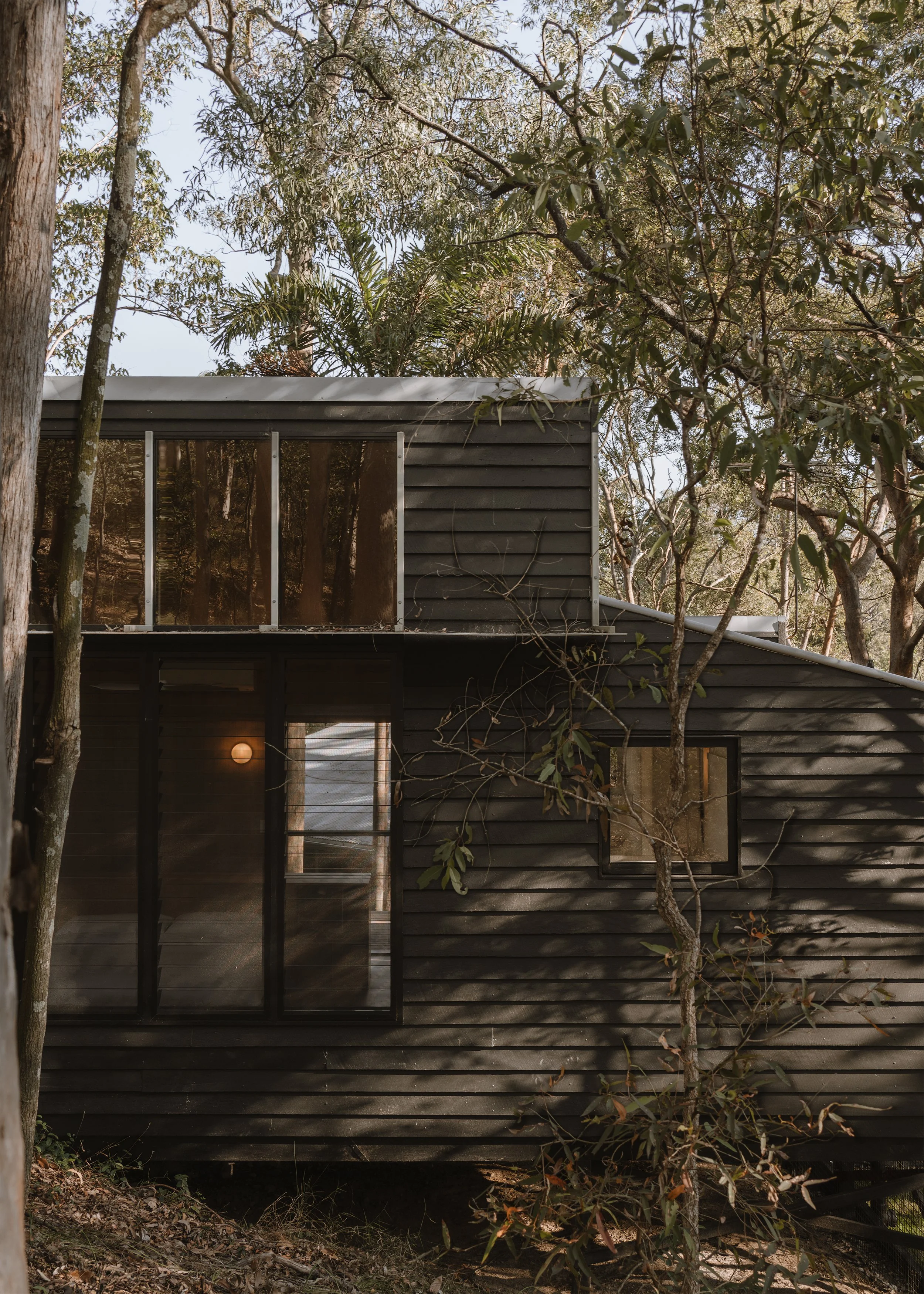
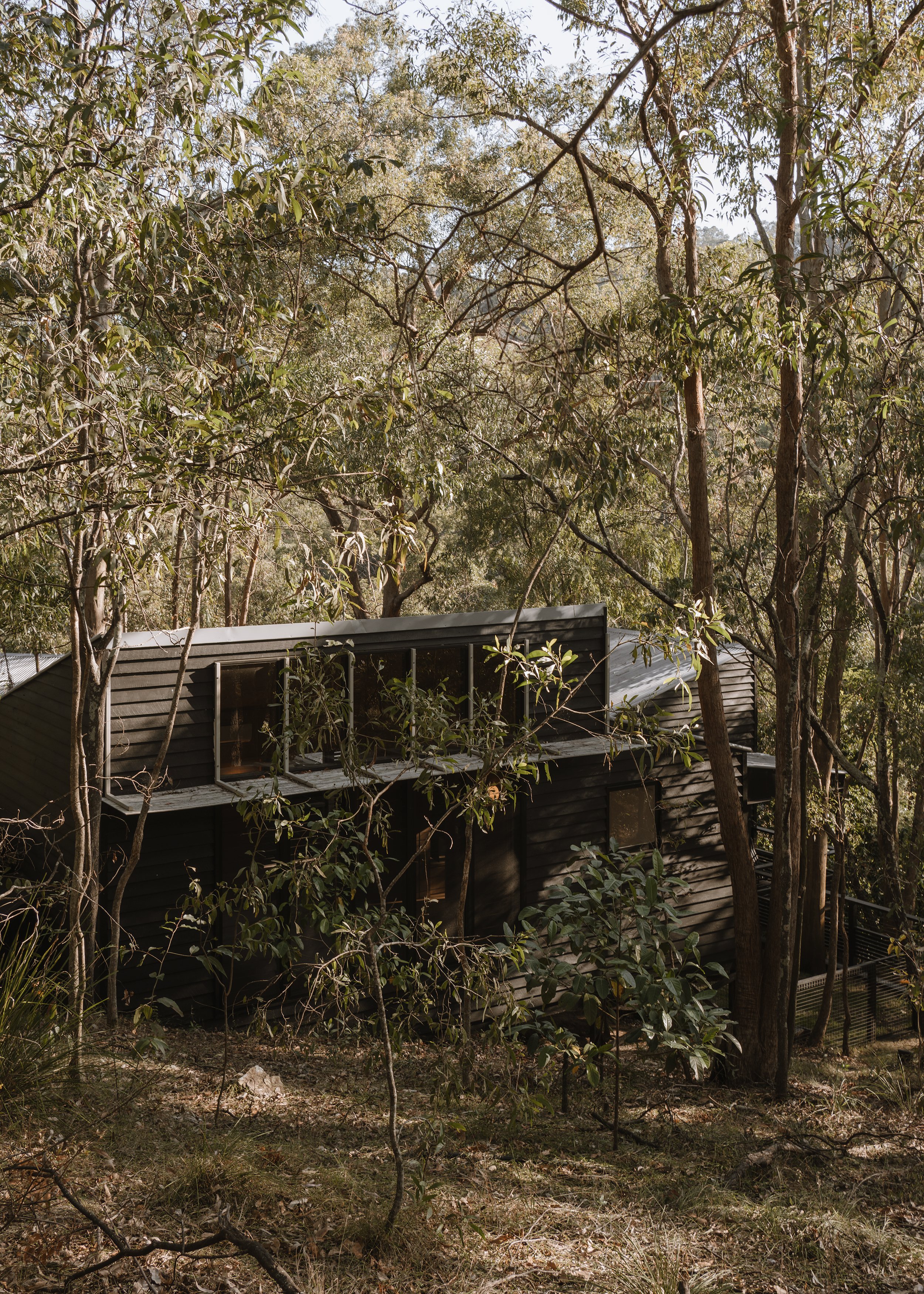
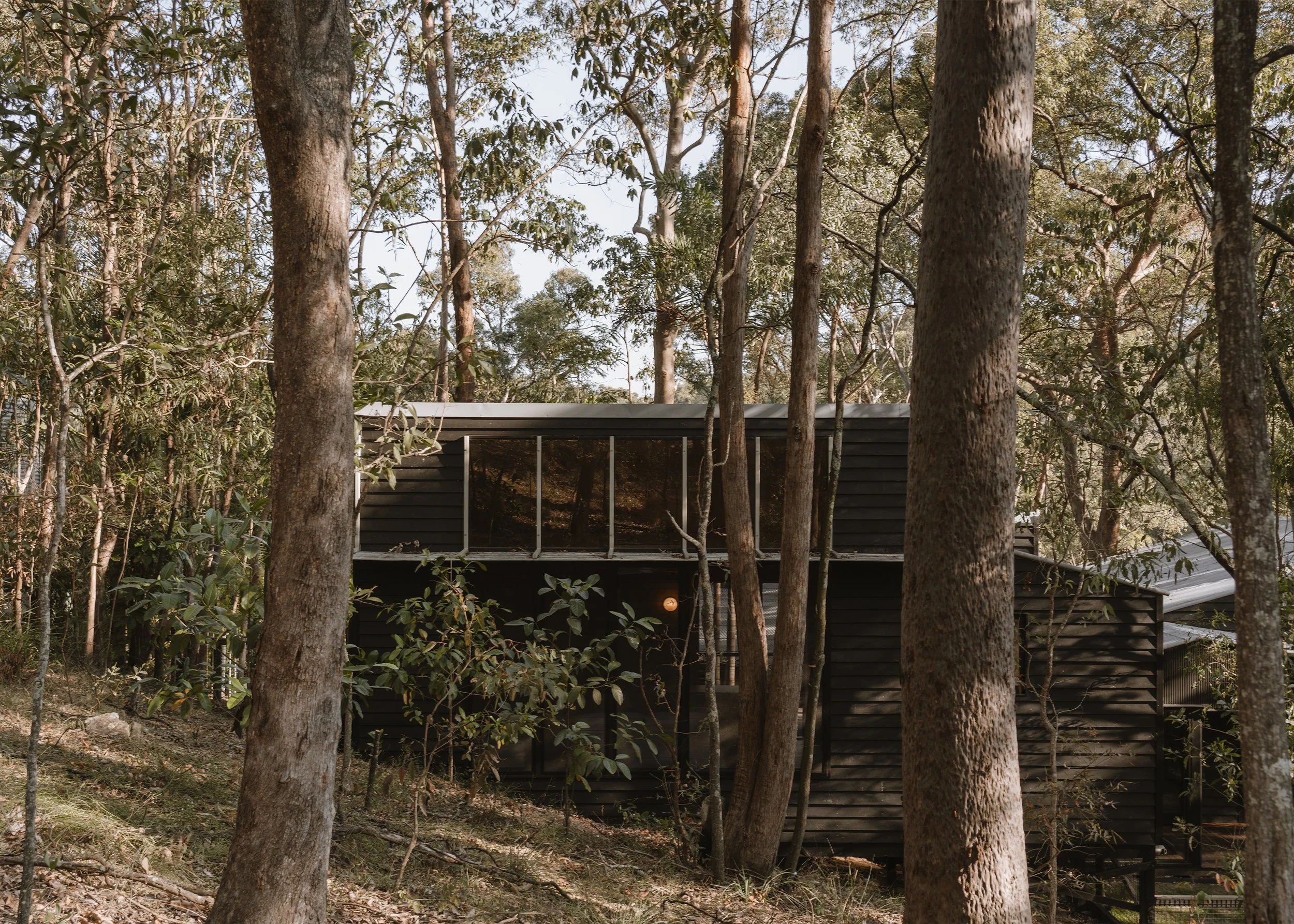
At the foothills of Mount Coot-tha, El Paso retains the external circulation and fragmented planning of an original 1980s house while reducing its materials to strengthen its relationship with the forest.
Location
Bardon, Queensland, Australia
Architecture
Nielsen Jenkins
Original Architecture
Dan Callaghan
Build
Struss Construction
Engineer
Optimum Structures
Film & Photography
Anthony Richardson
Production
Simple Dwelling
‘What we don't want you to do is come into this space and the first thing you notice is the lights or the taps or the stone bench. What you want to be doing is walking in this house and just looking out into the bushland. I think that's what happens because of how stripped it is. The architecture isn't the thing you're looking at; you're always looking in between the architecture.’
– Morgan Jenkins, Nielsen Jenkins
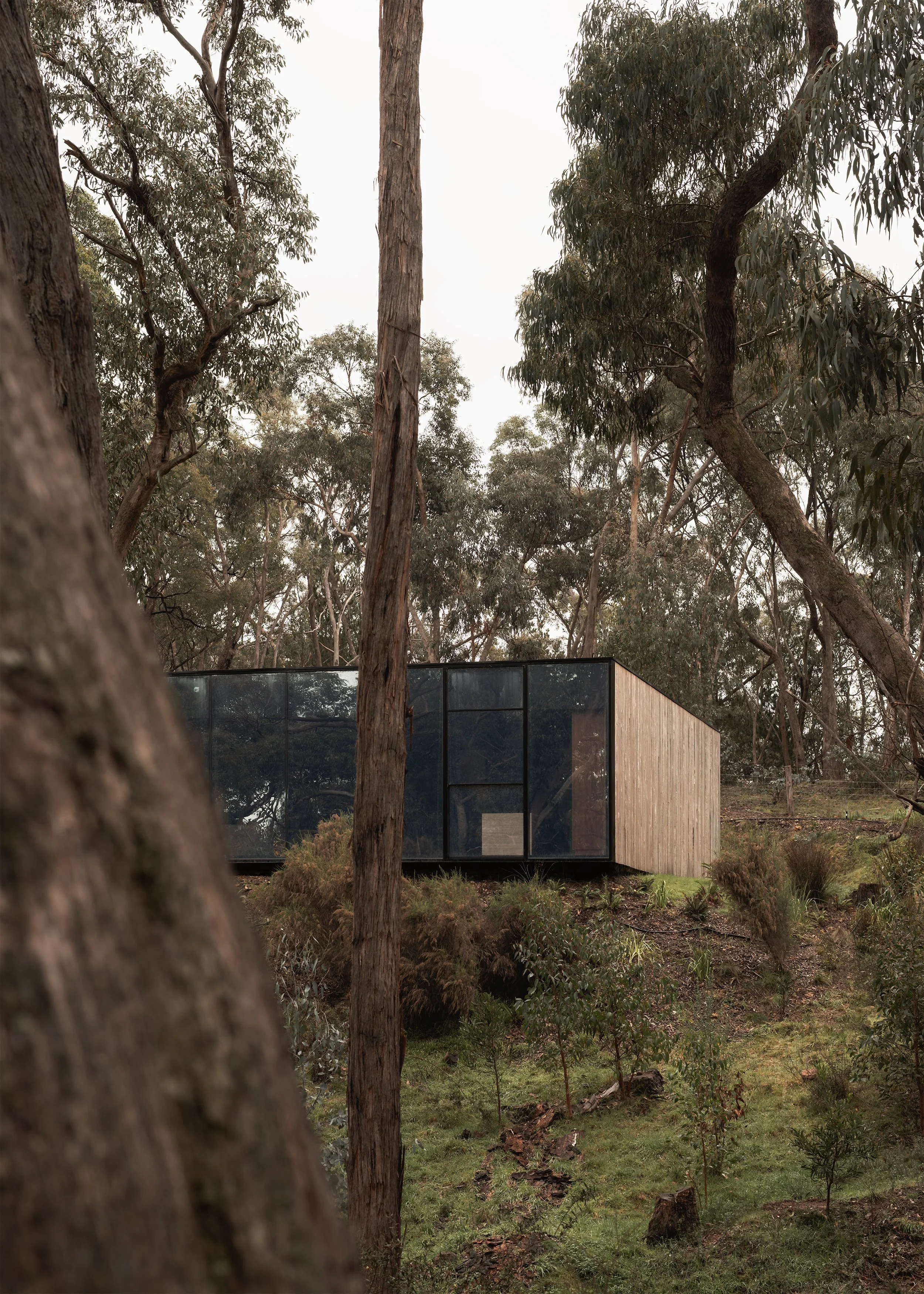
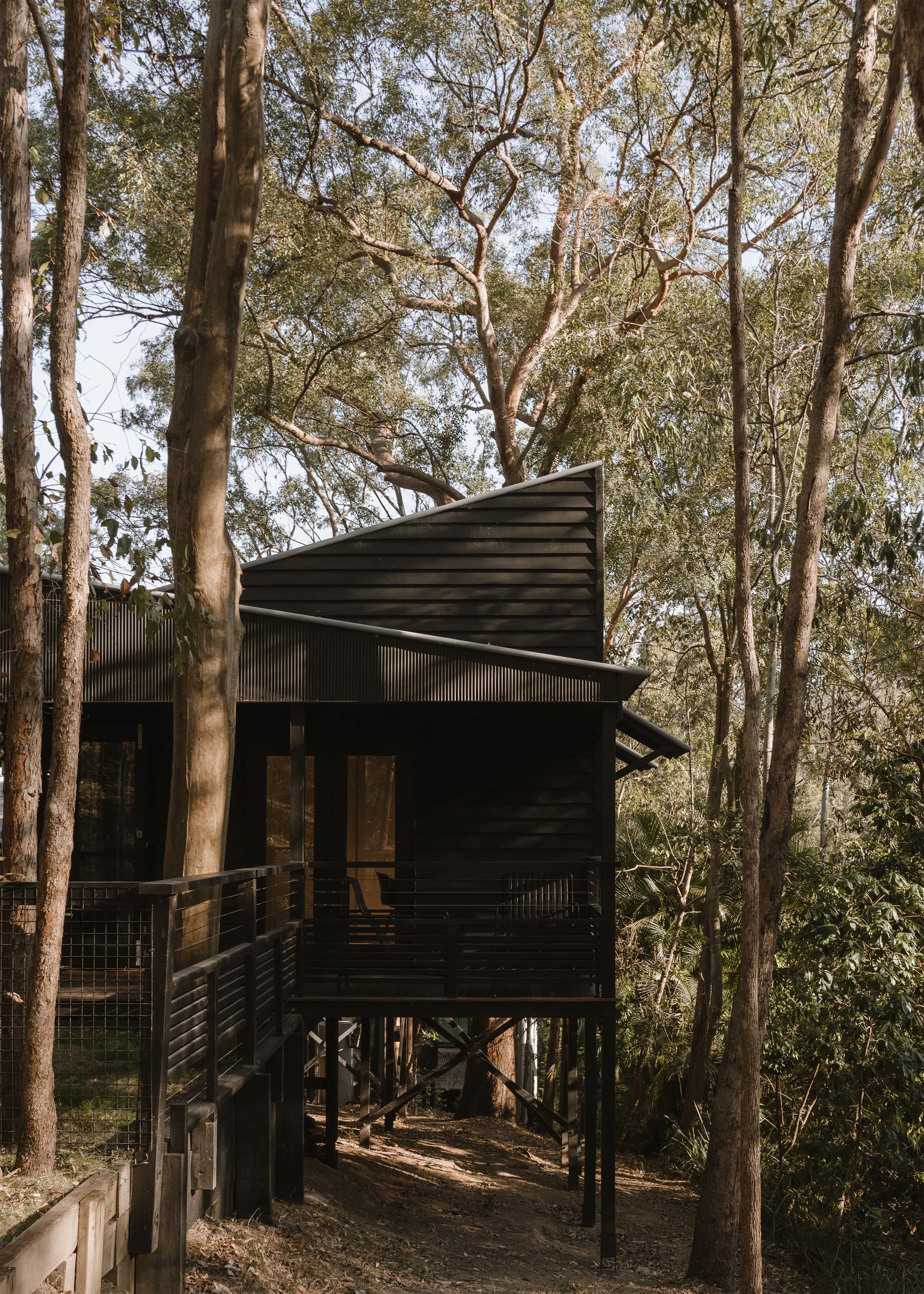
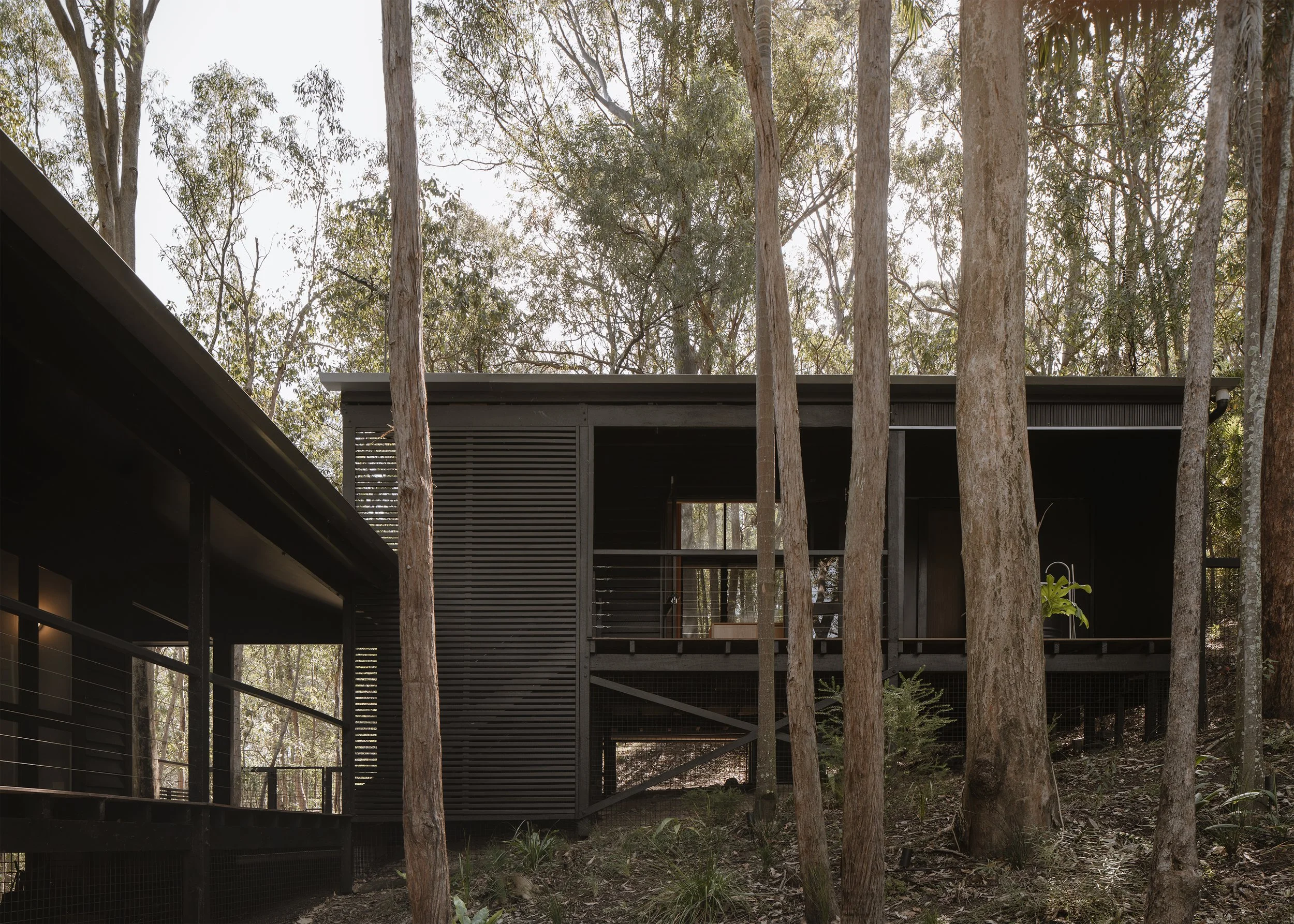
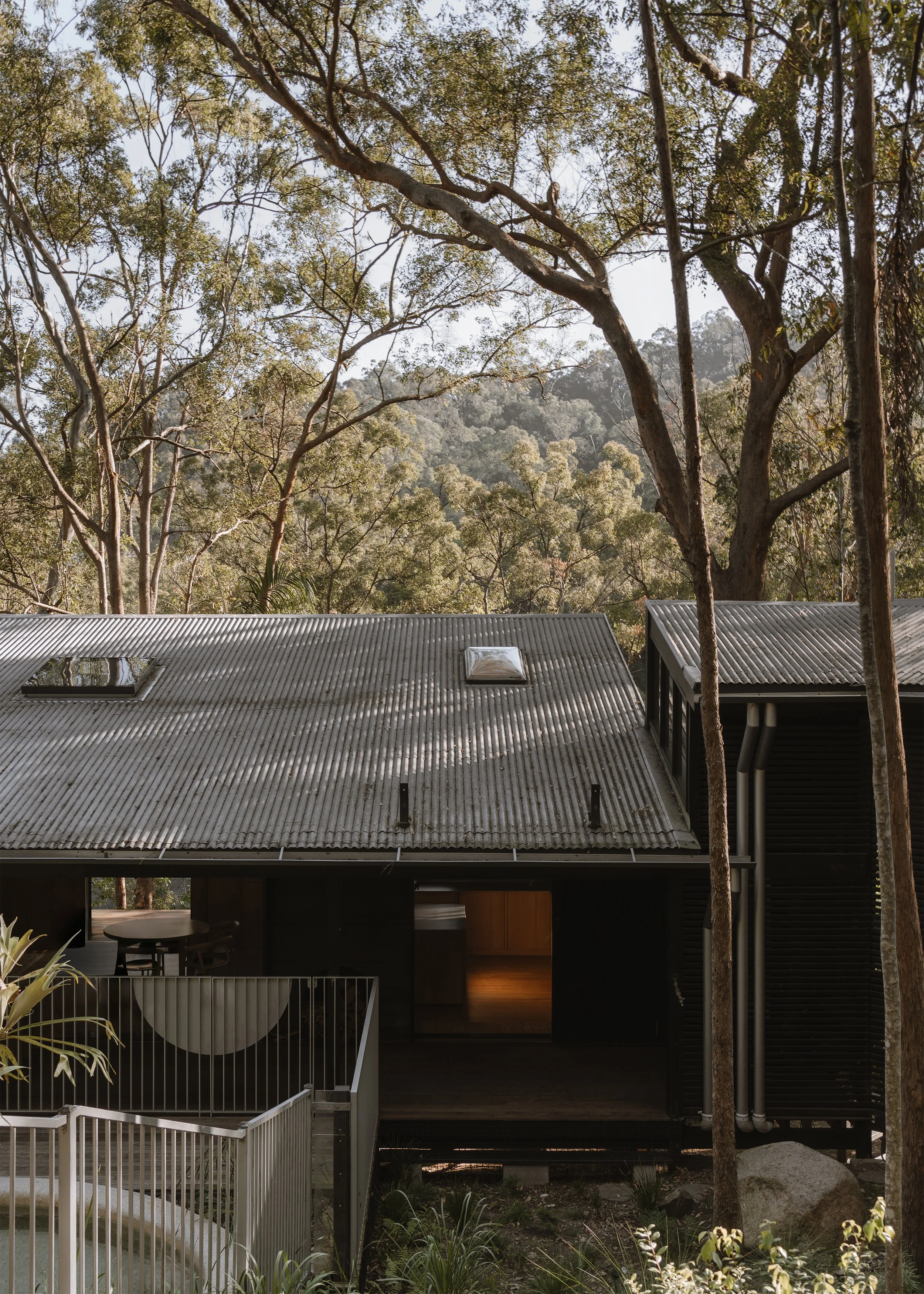
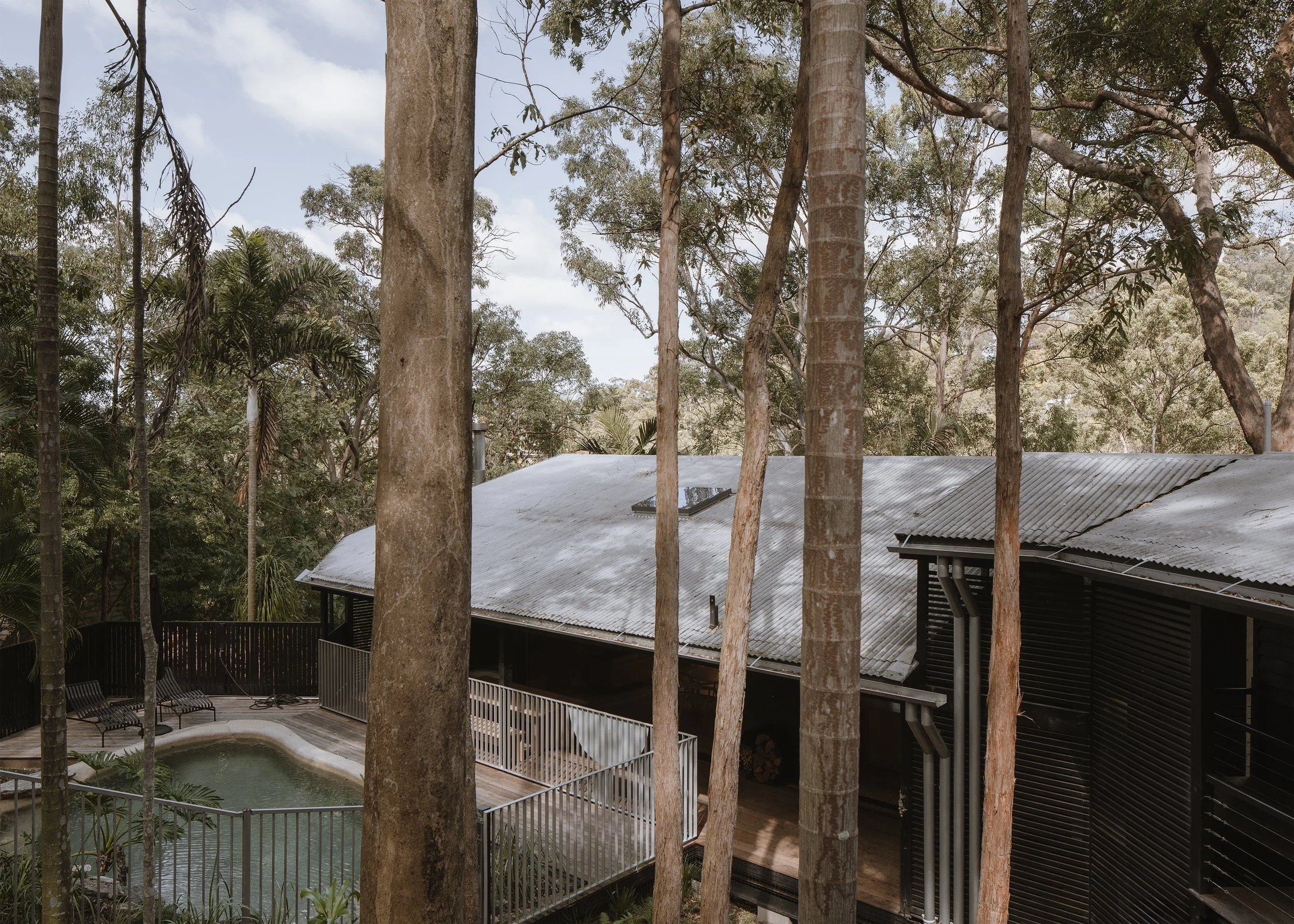
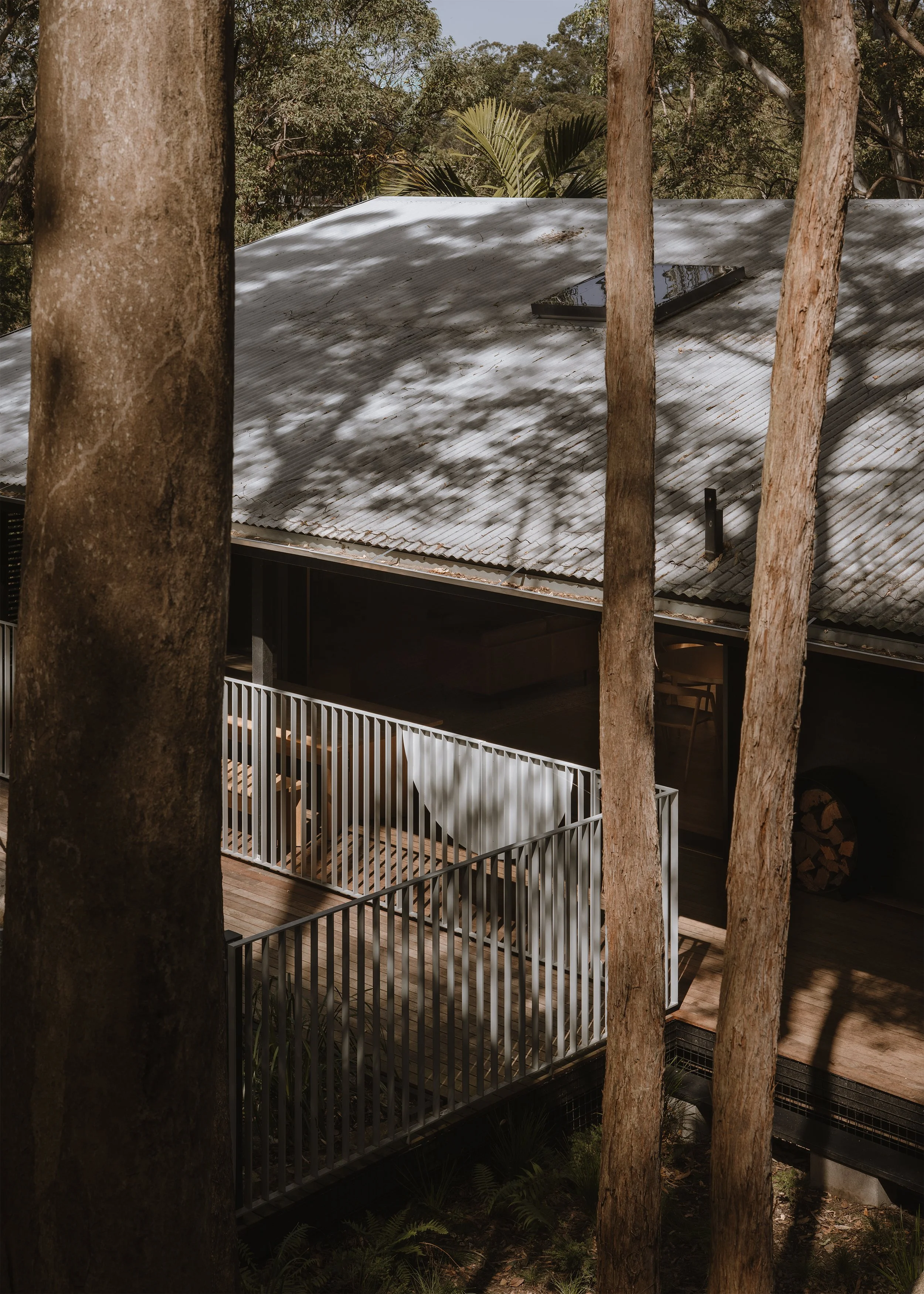
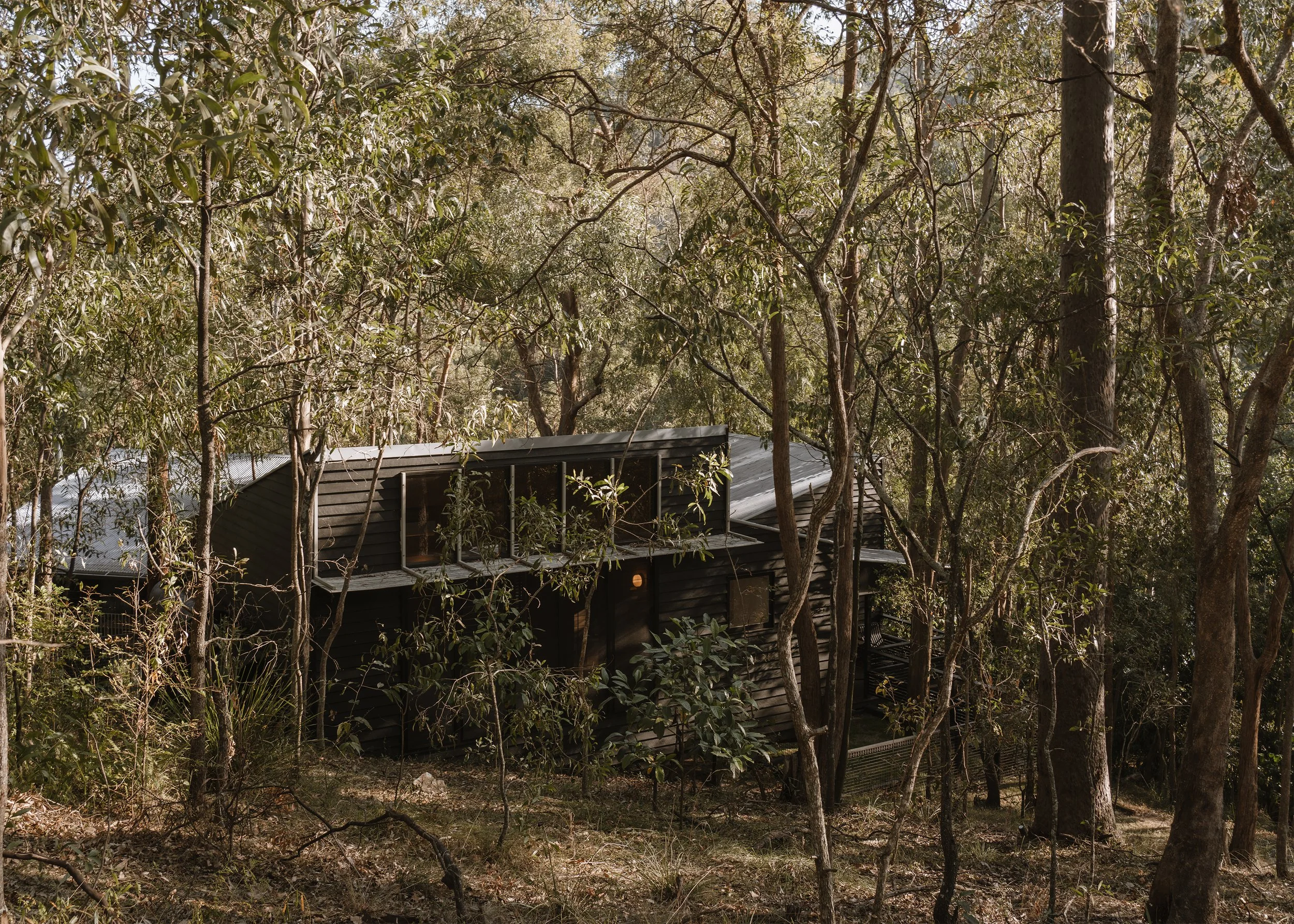
At the foothills of Mount Coot-tha in Bardon, El Paso by Nielsen Jenkins renews an architecturally distinctive 1980s house without replacing the idea that made it unique. The original building, designed by Dan Callaghan, was organised as a collection of pavilions threaded through an existing gum forest. It had no internal circulation in the conventional sense. Movement between rooms repeatedly took occupants outside, across decks and along passageways that followed the site’s contours.
When Nielsen Jenkins first encountered the house, its interiors appeared dated and its collection of external surfaces had lost cohesion. Yet beneath these accumulated layers was a remarkably direct proposition about living with landscape. The ground and native vegetation had been allowed to remain close to the buildings. The pavilions worked between the trees rather than establishing a cleared platform apart from them. Beneath the canopy, orientation was moderated by shade and dappled light, giving the original architect a degree of freedom to let topography and vegetation guide the arrangement.
The clients’ brief did not begin with an expanded program. The required bedrooms and bathrooms were already present. Instead, they sought a simpler way of occupying the house and a stronger relationship with the surrounding bushland. This shifted the project away from addition and towards clarification. Nielsen Jenkins describes the work as a rejuvenation: an attempt to celebrate the original construction and spatial character rather than place another layer of architecture over it.
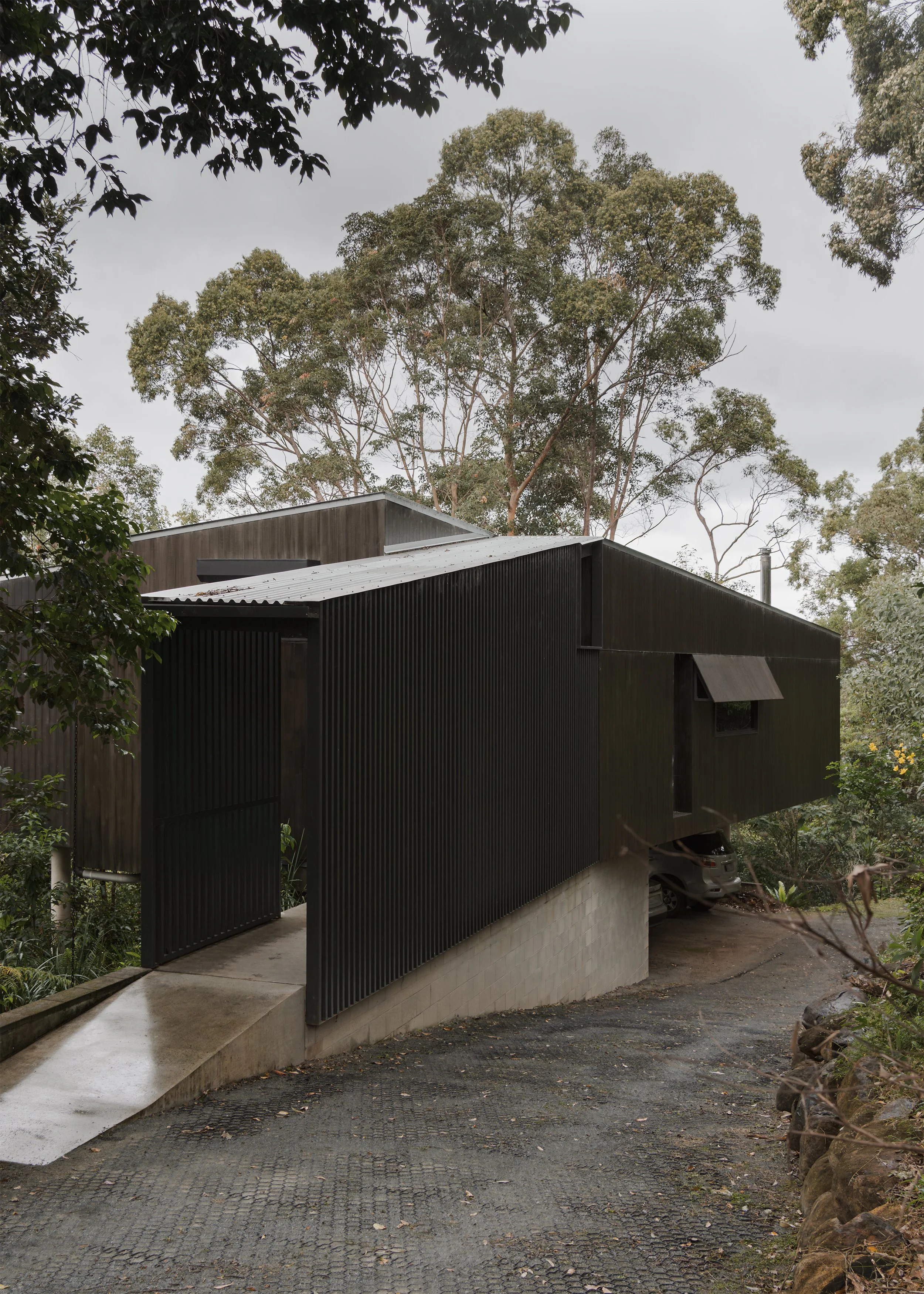
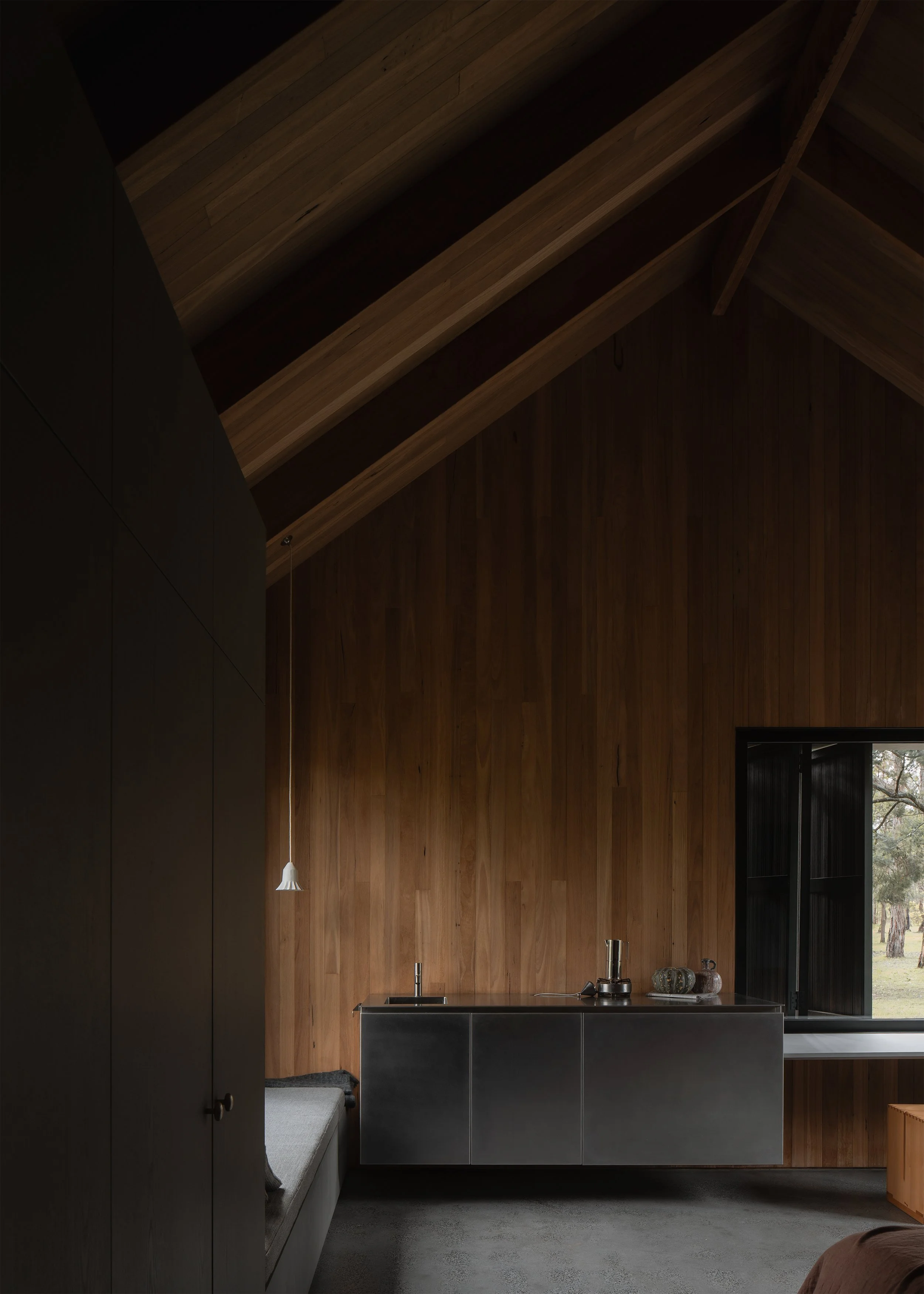
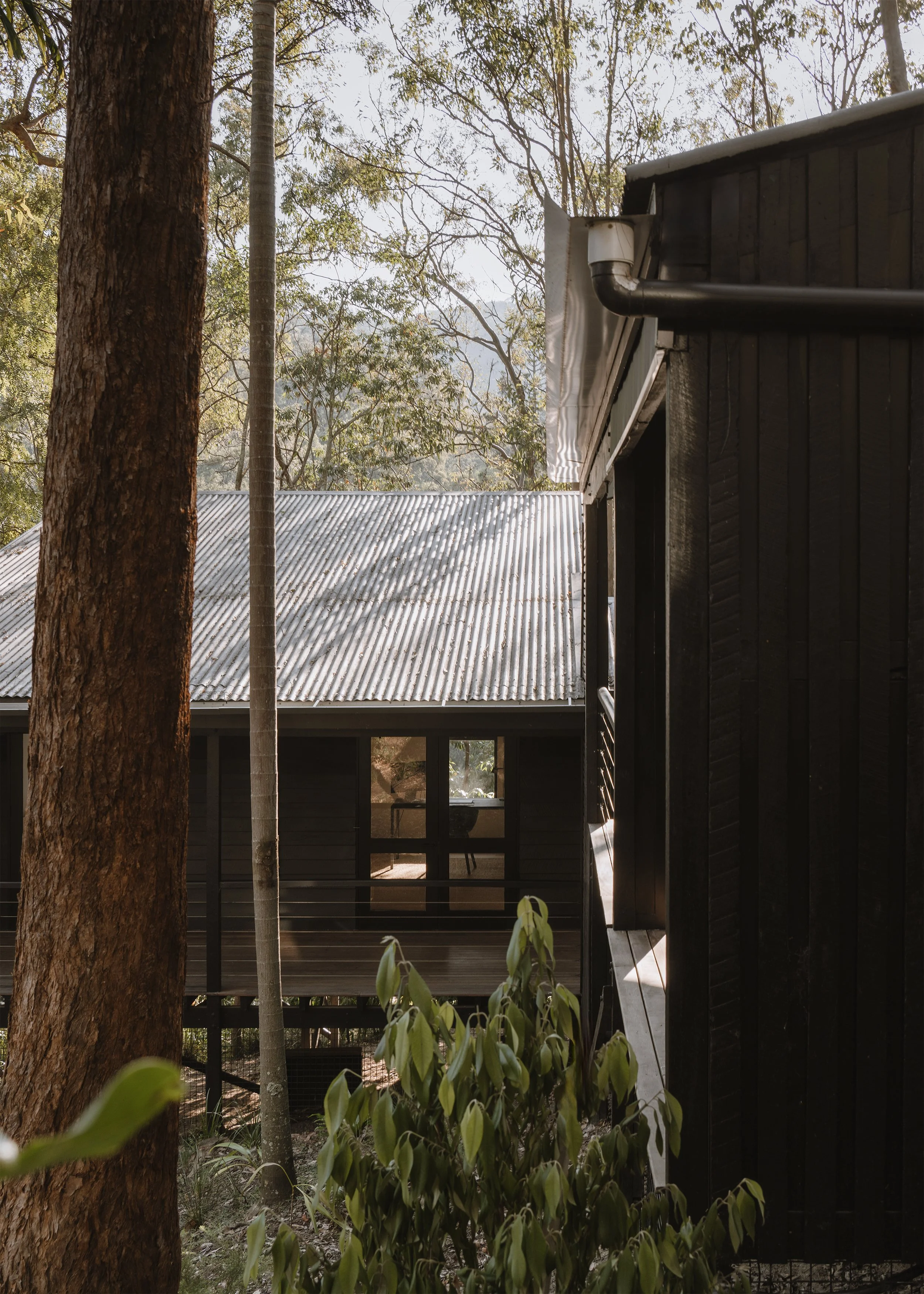
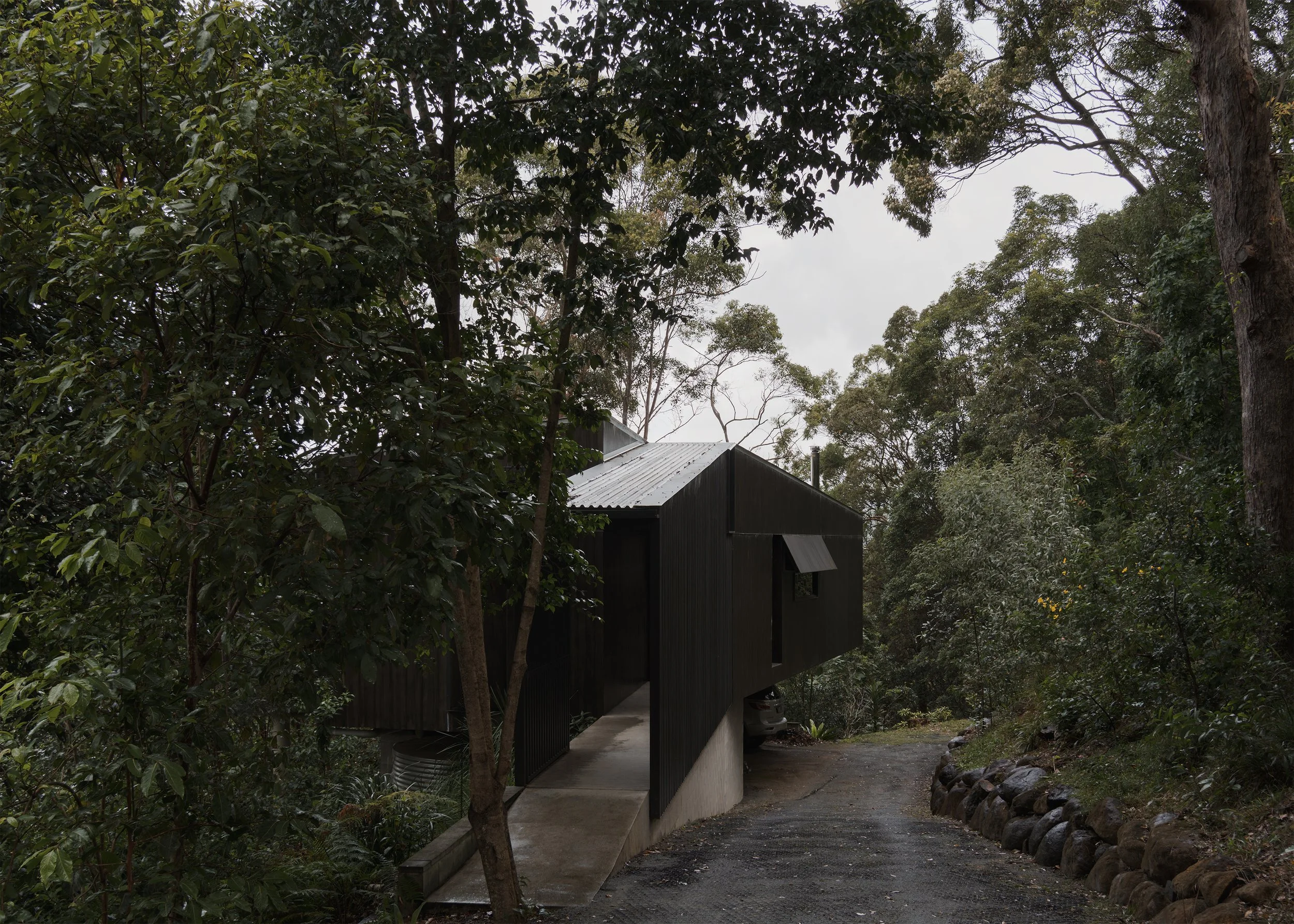
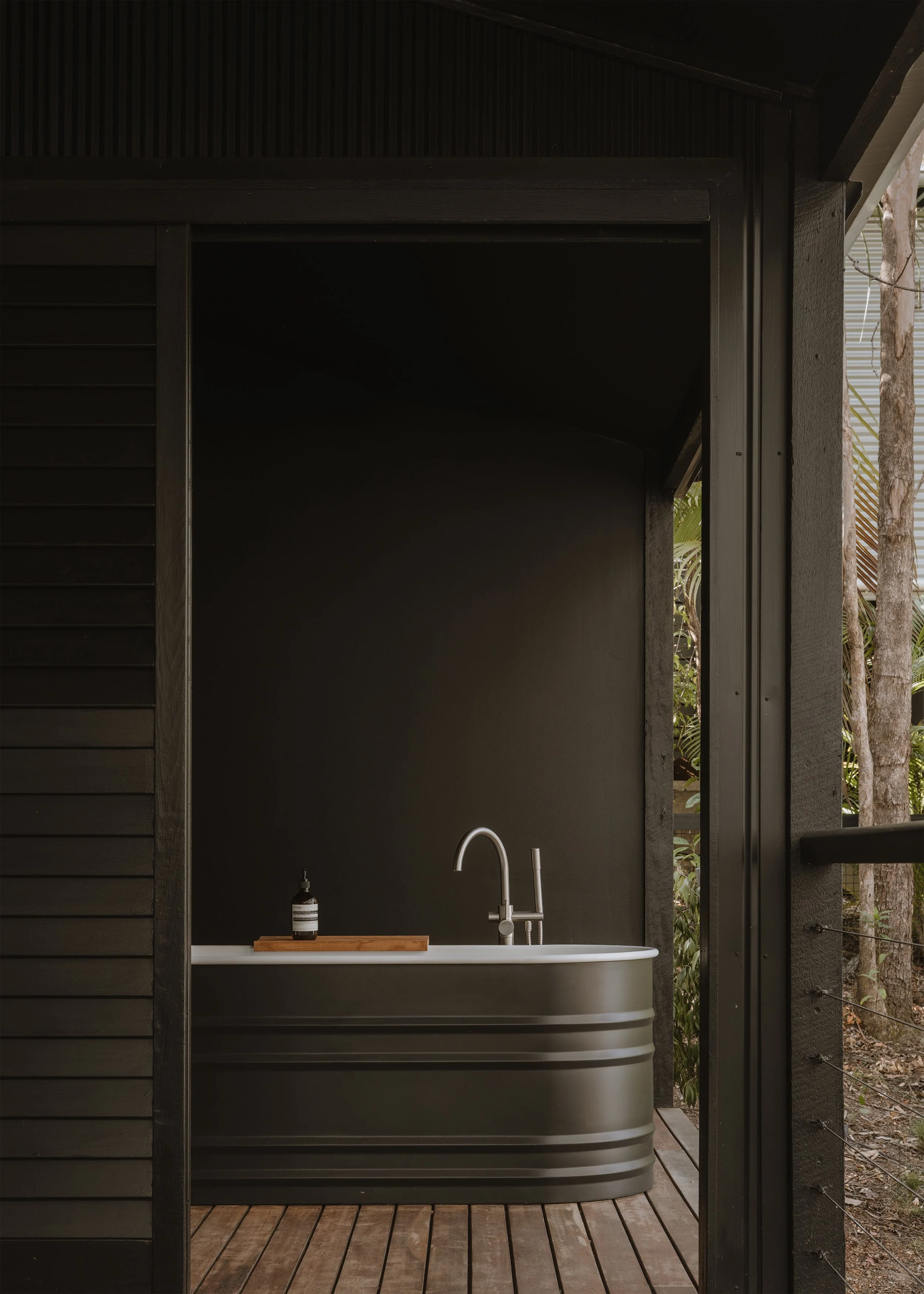
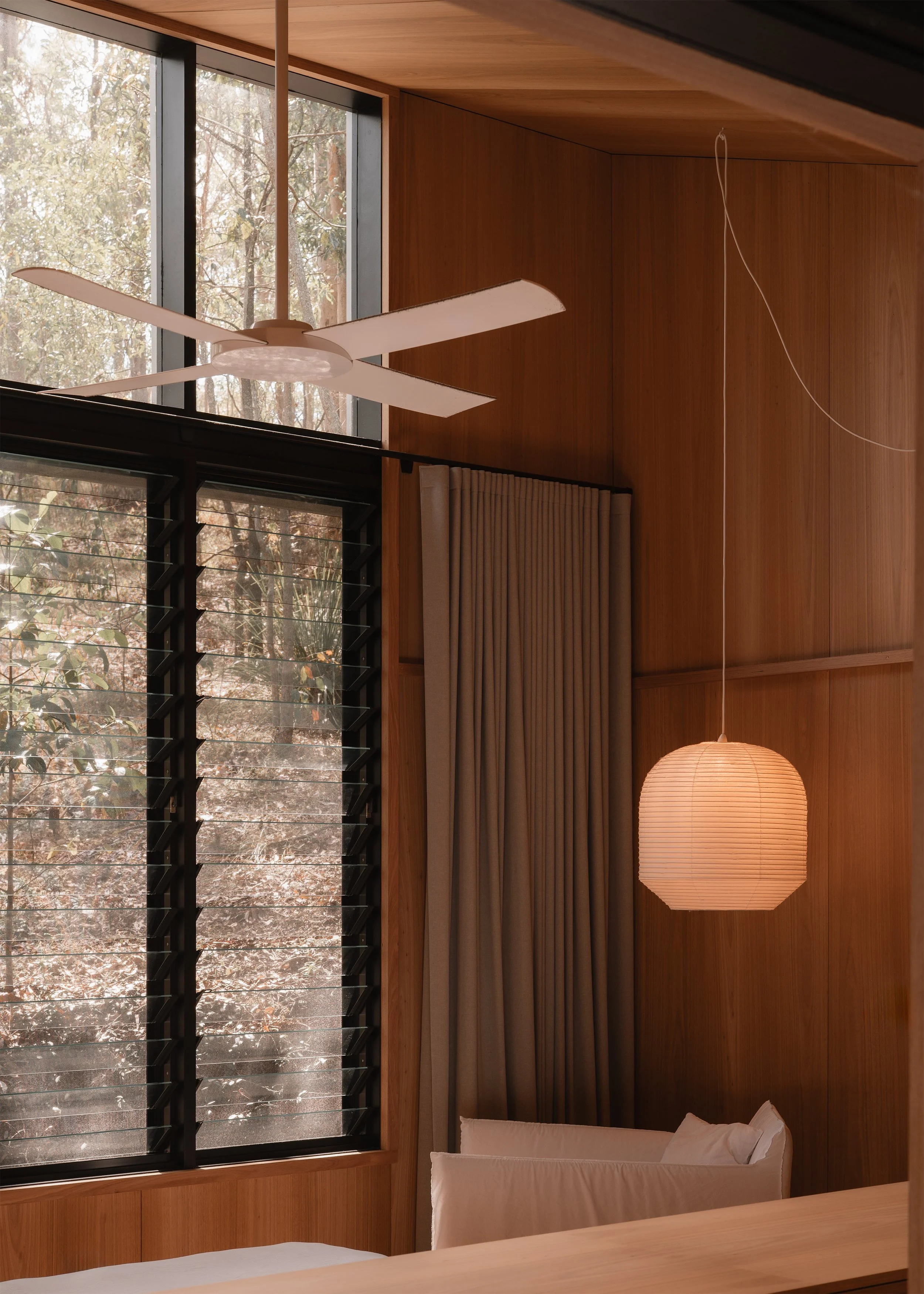
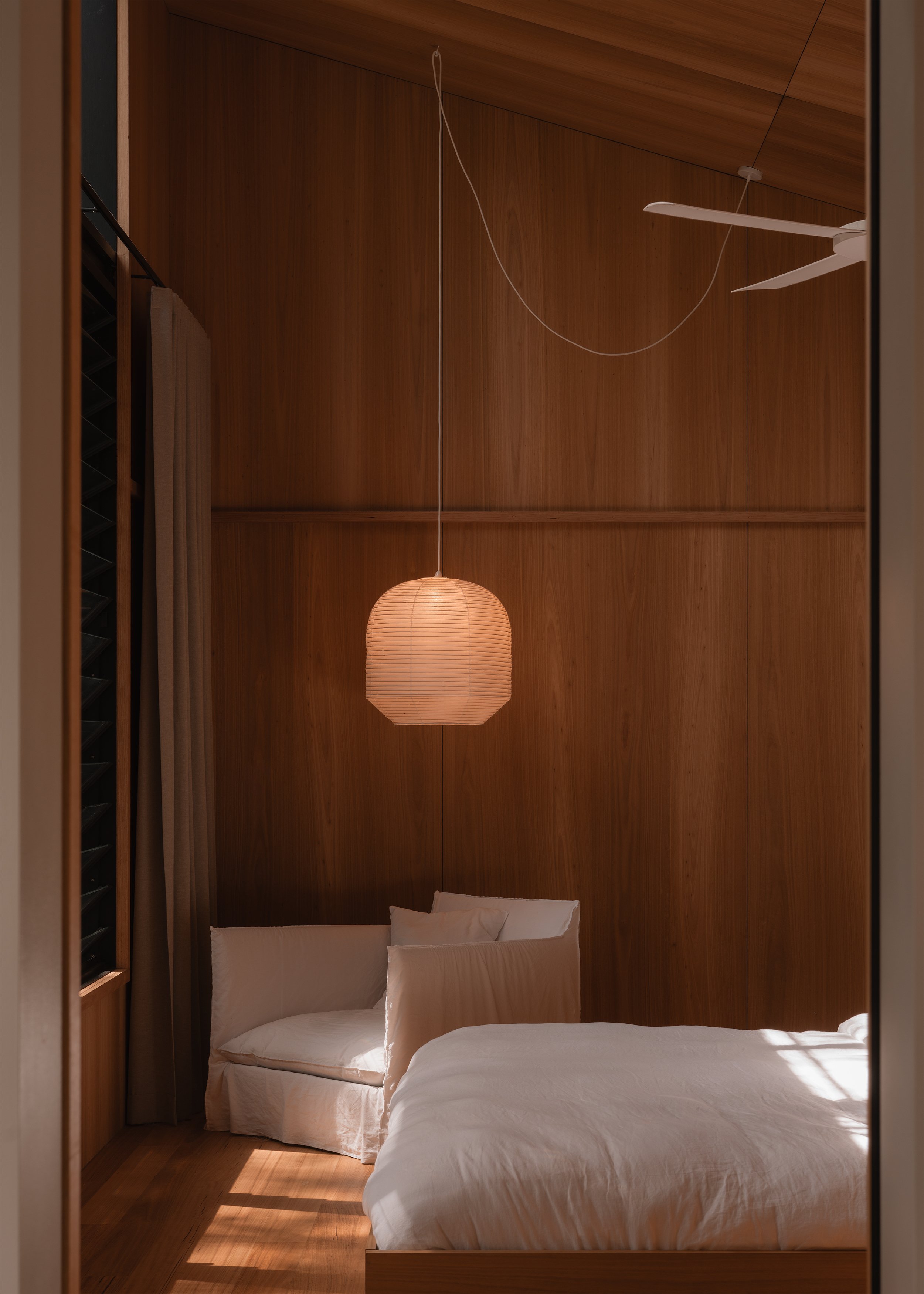
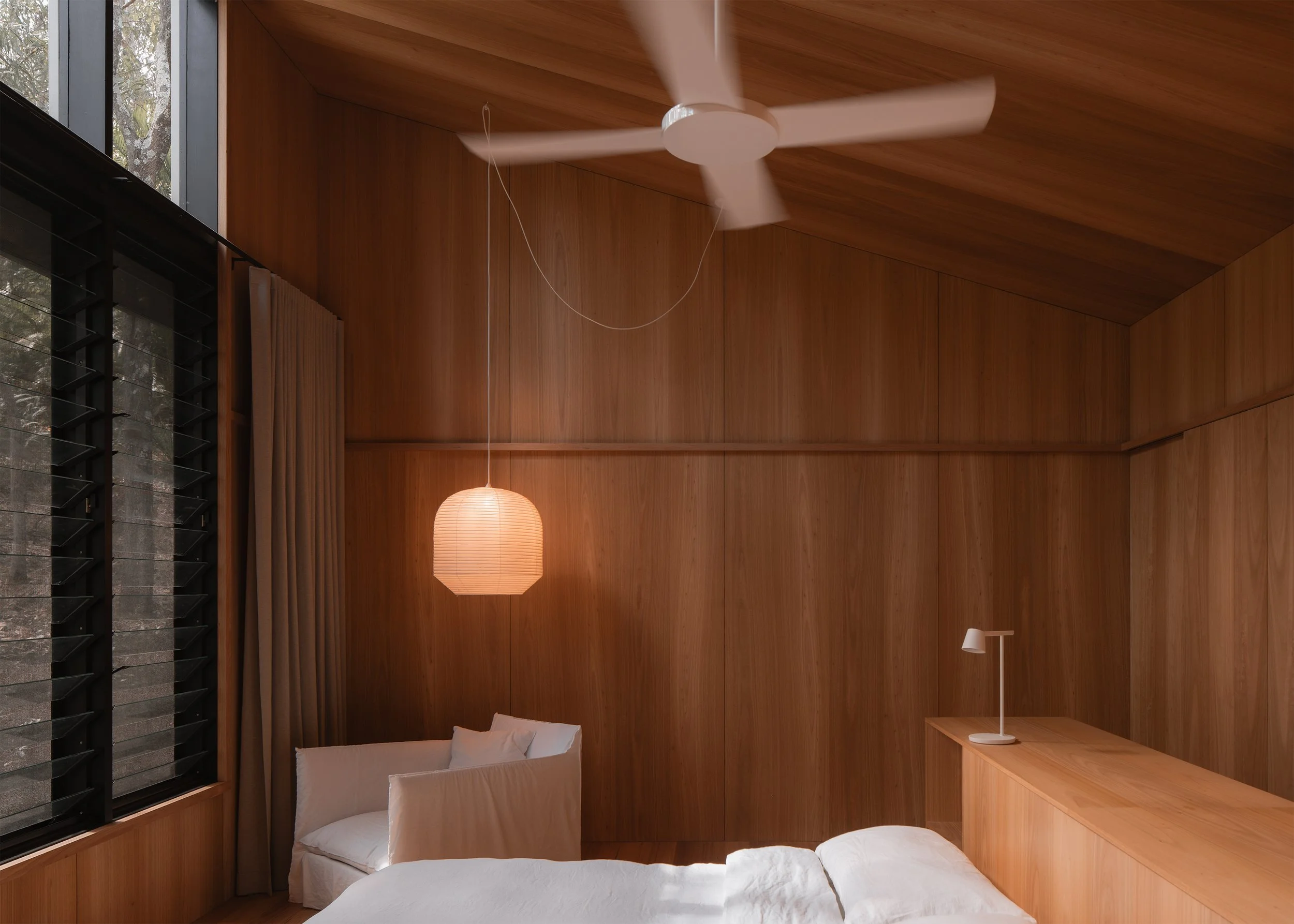
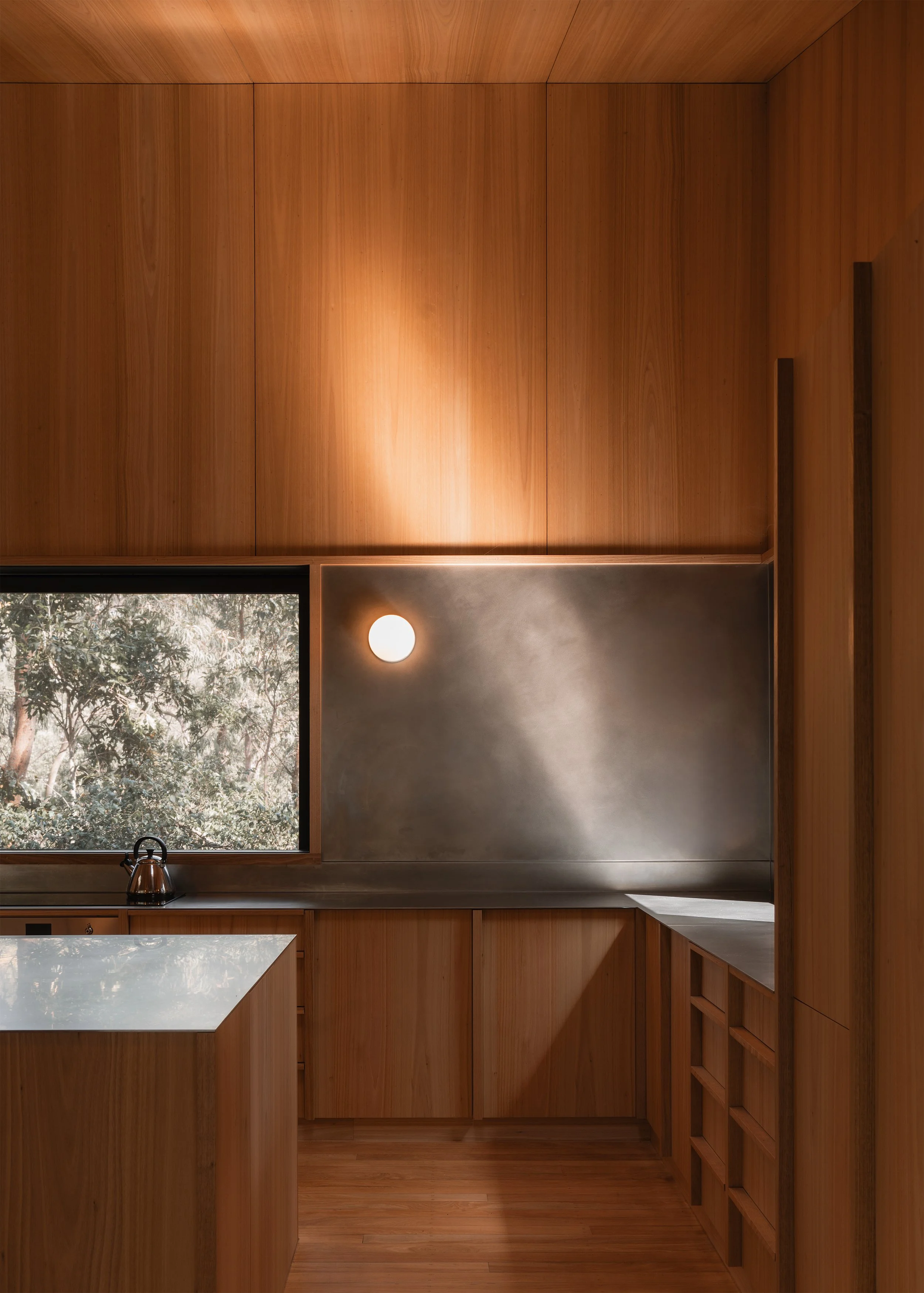
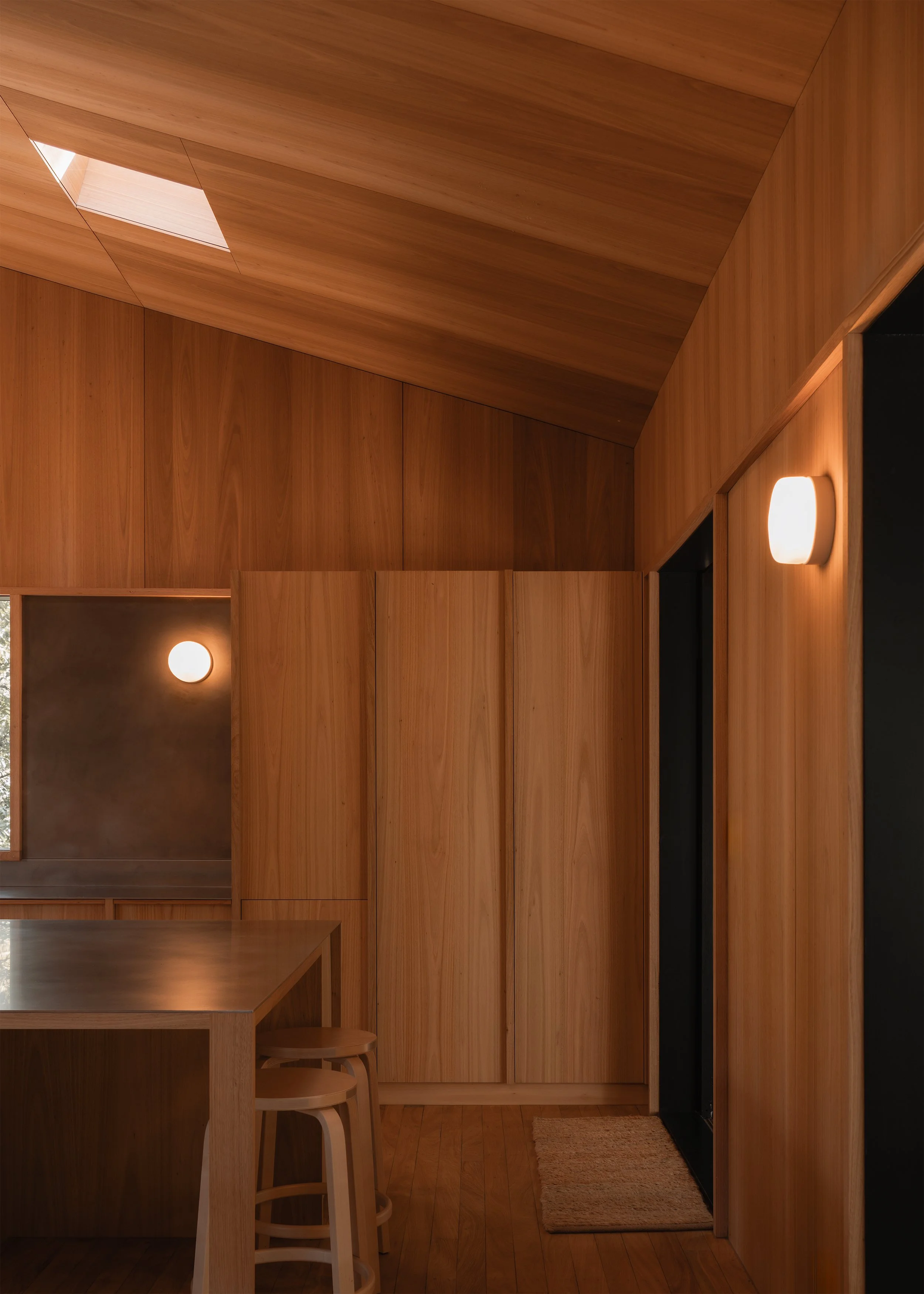
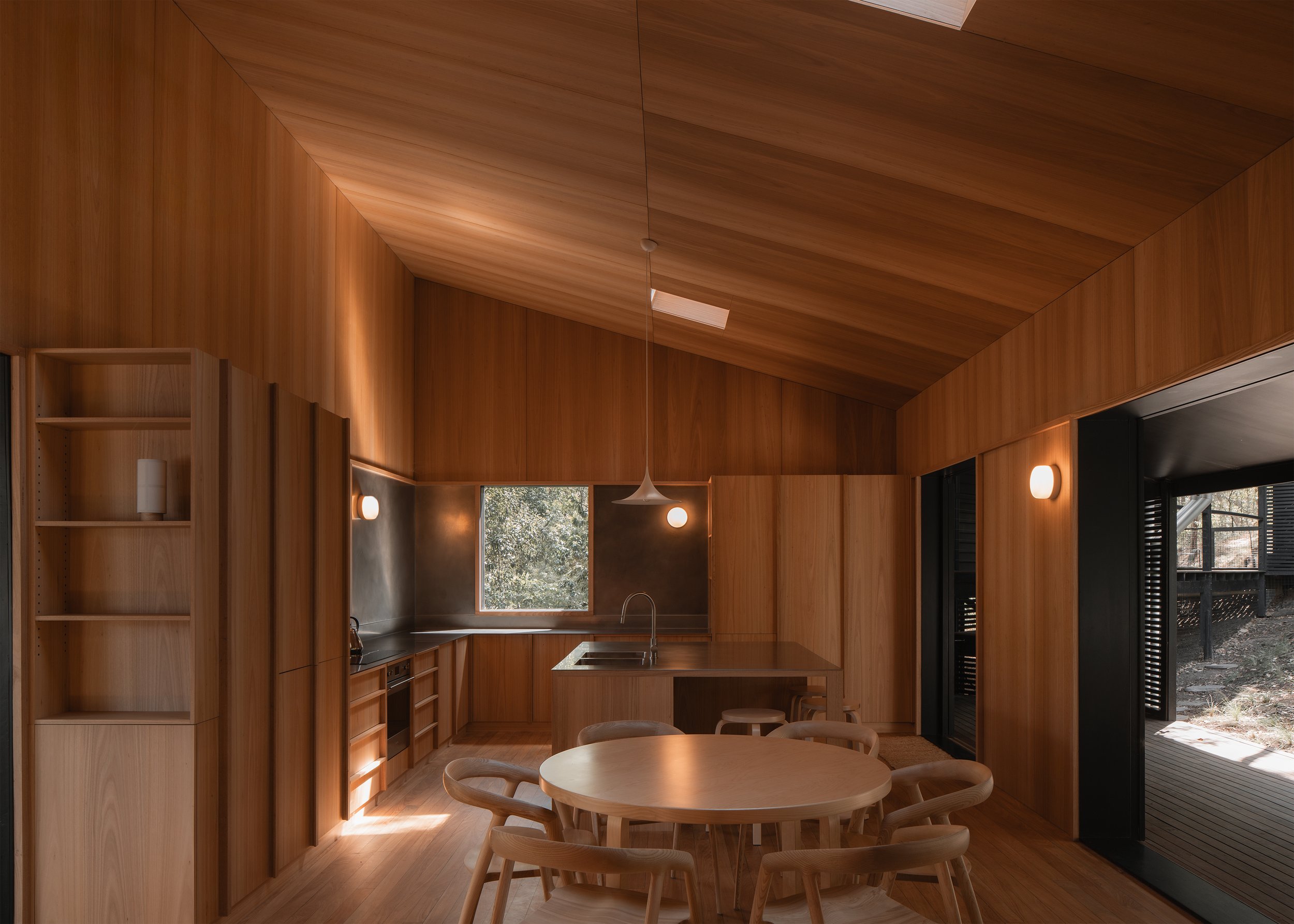
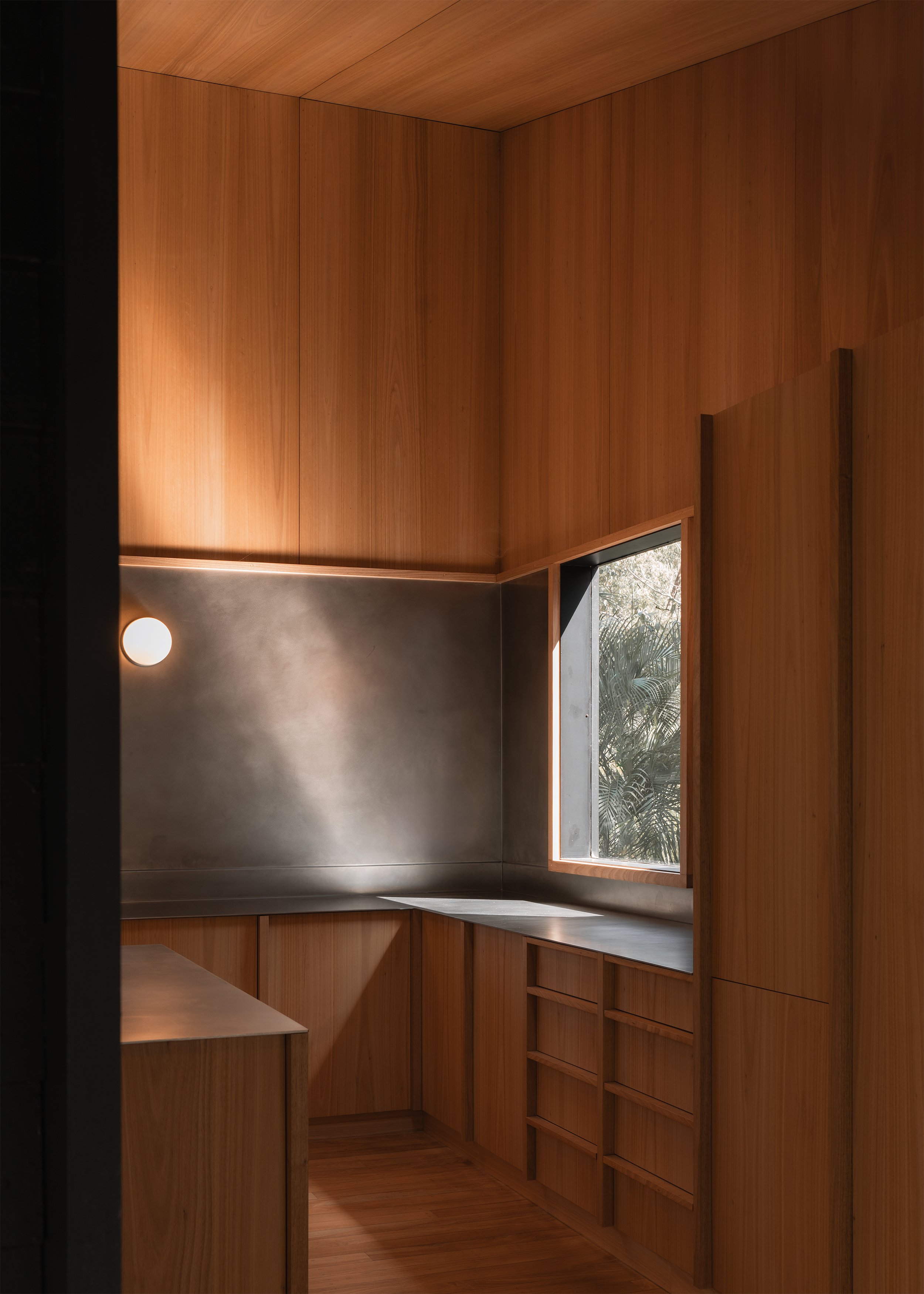
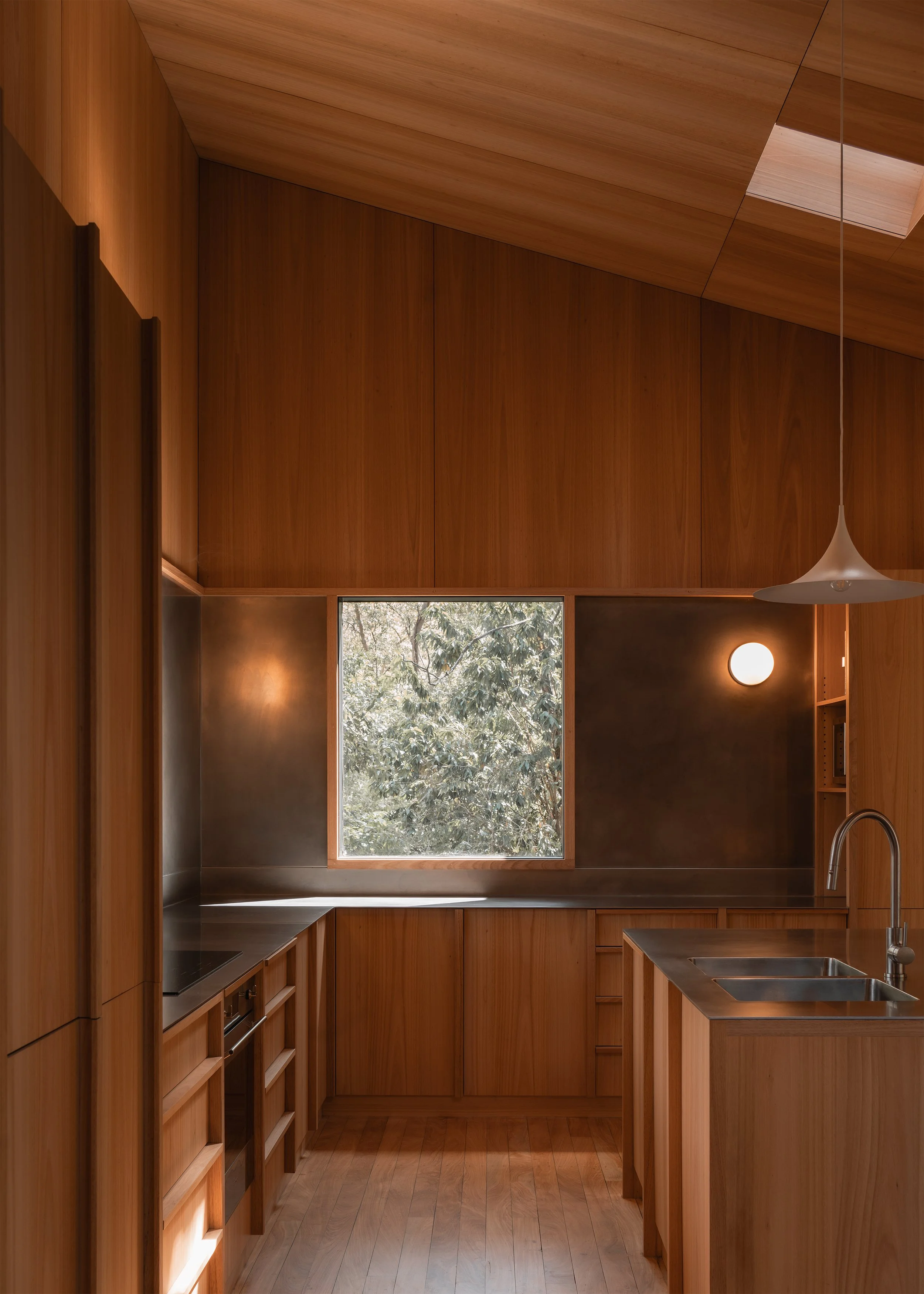
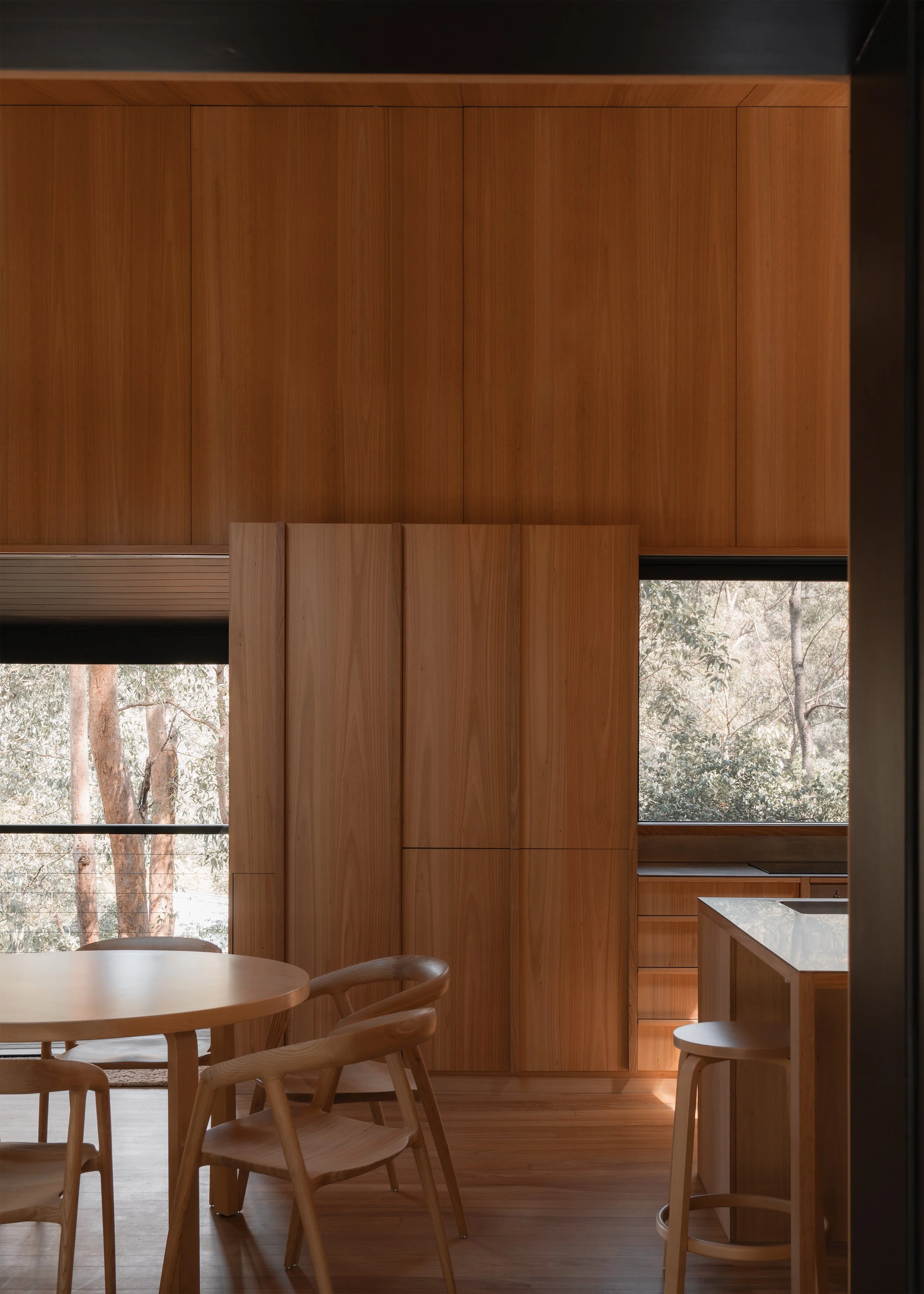
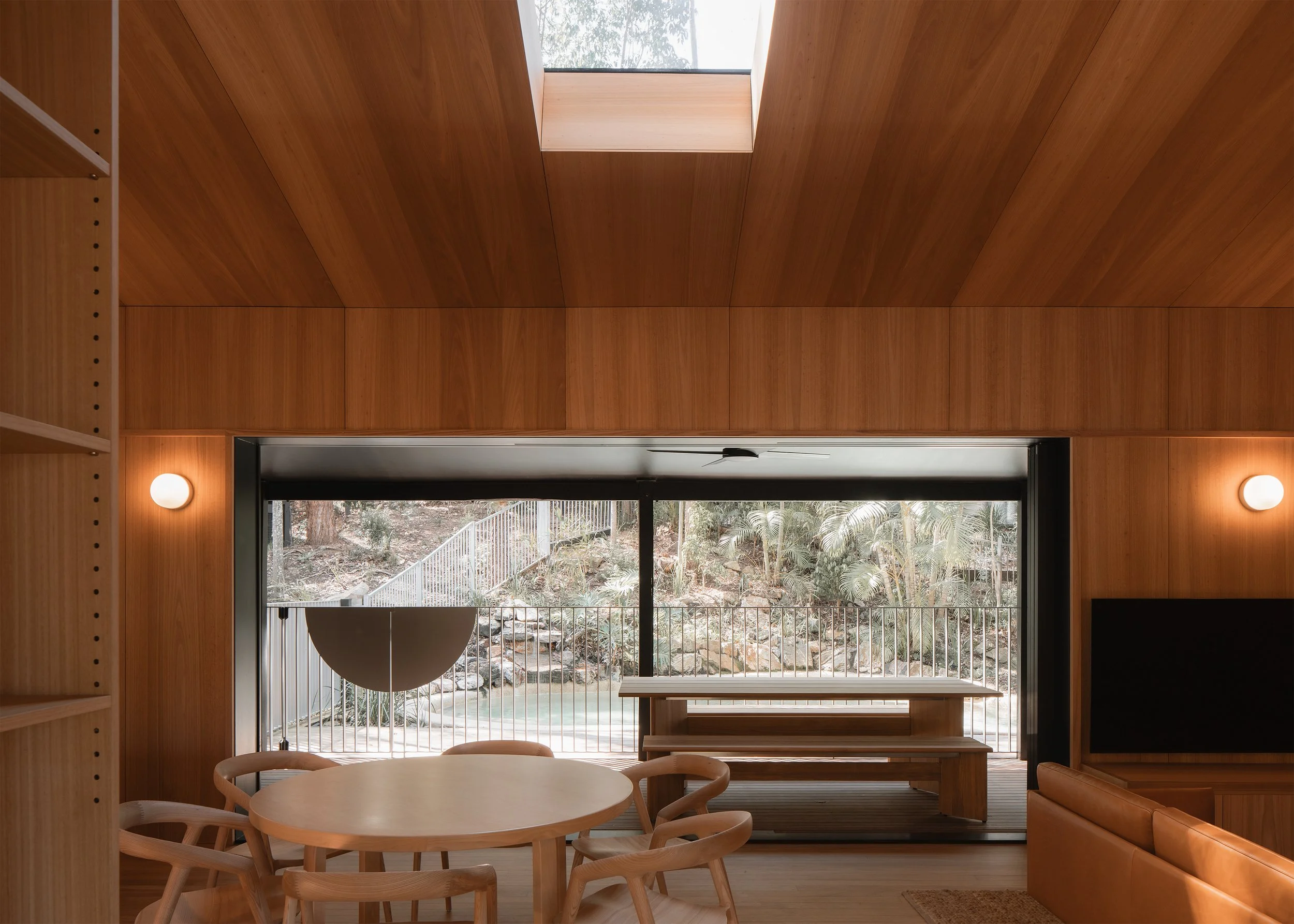
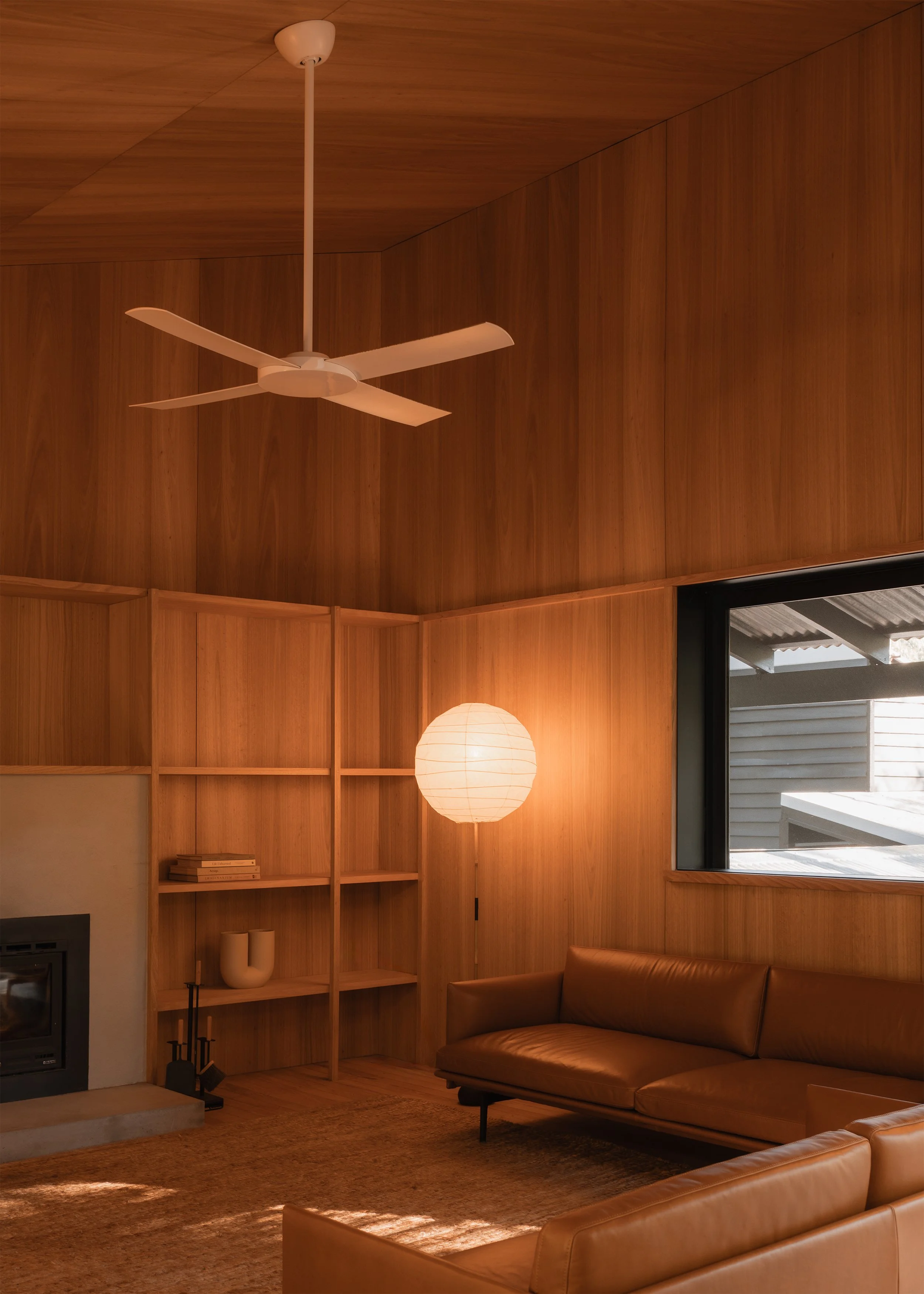
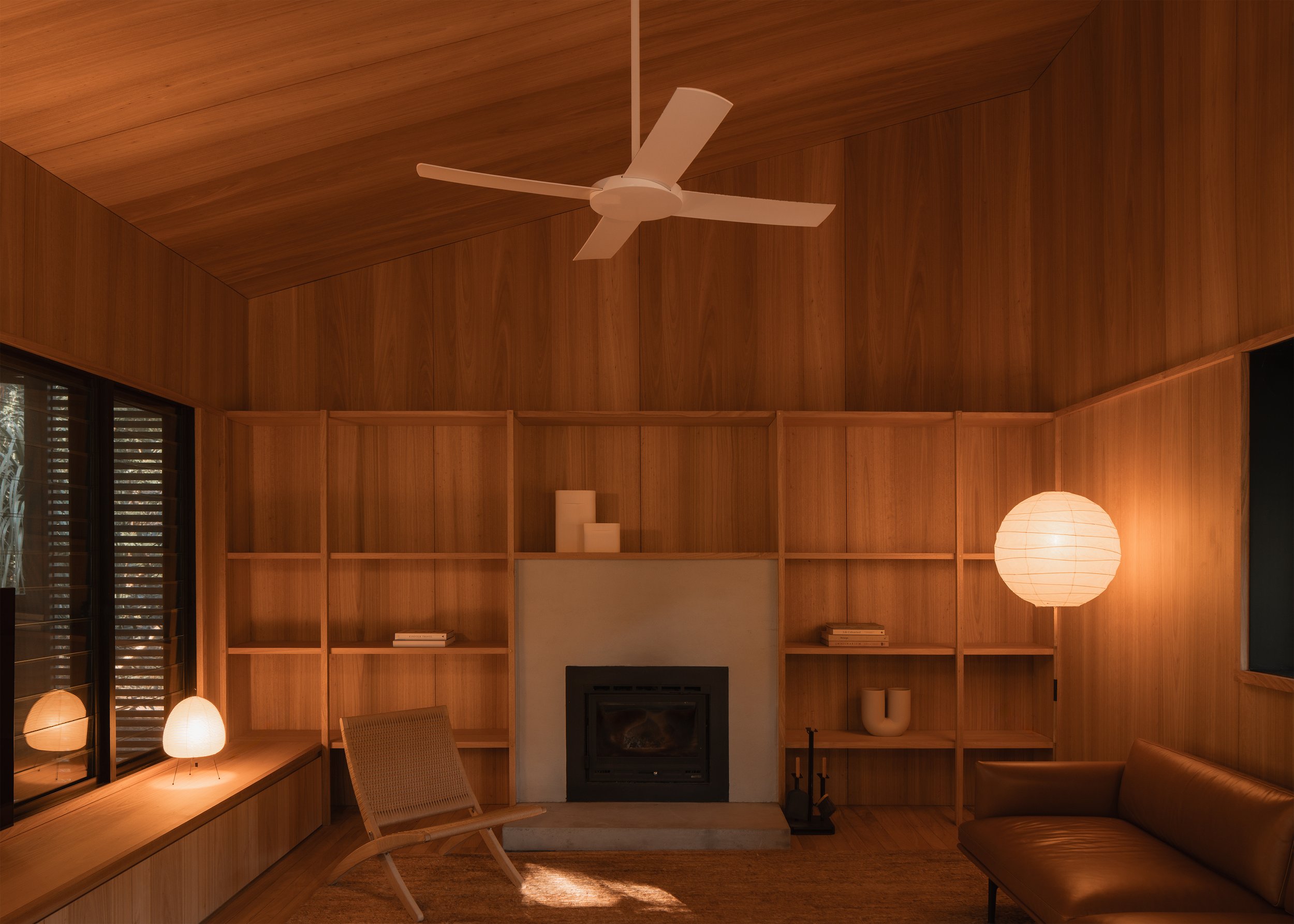
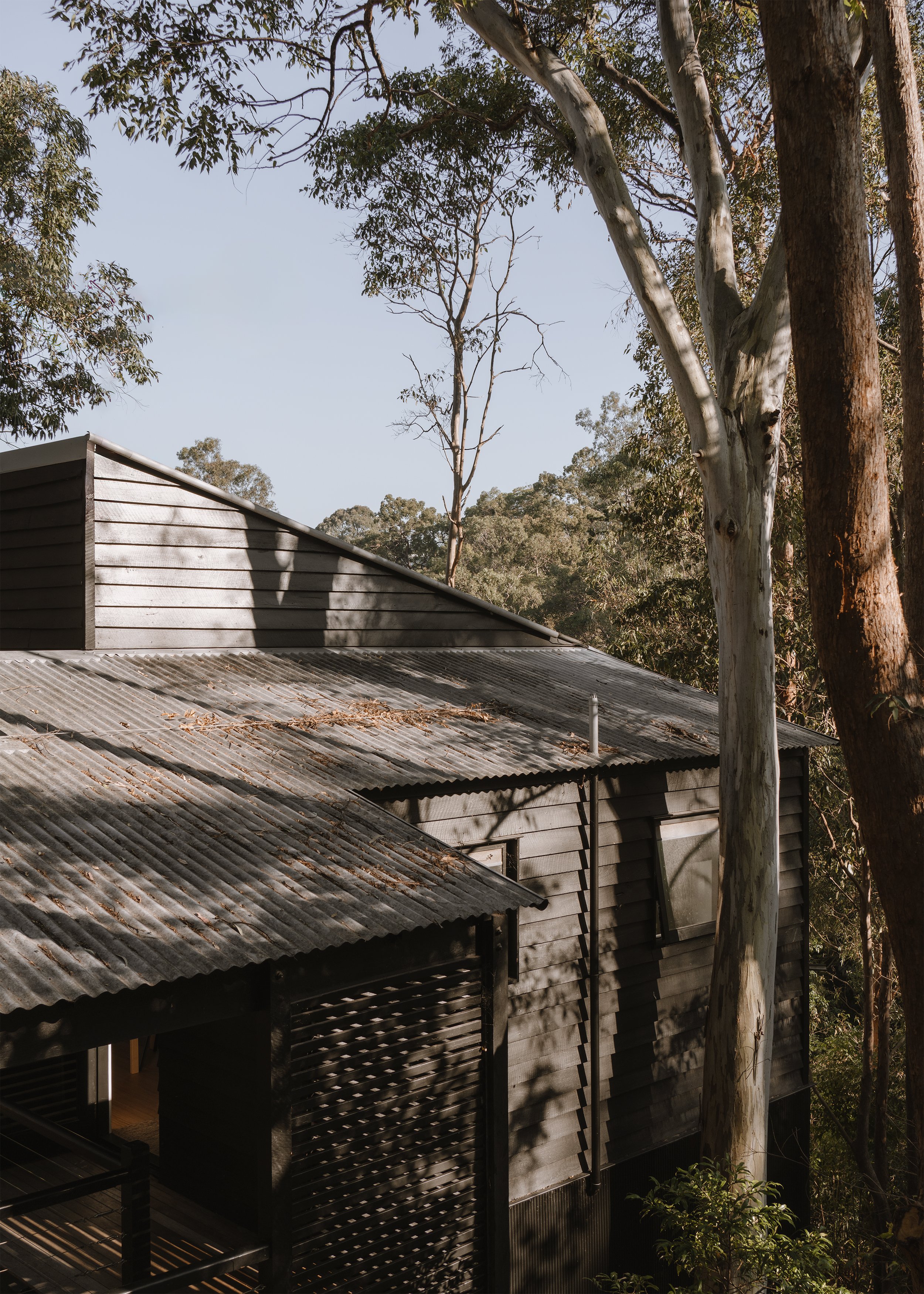
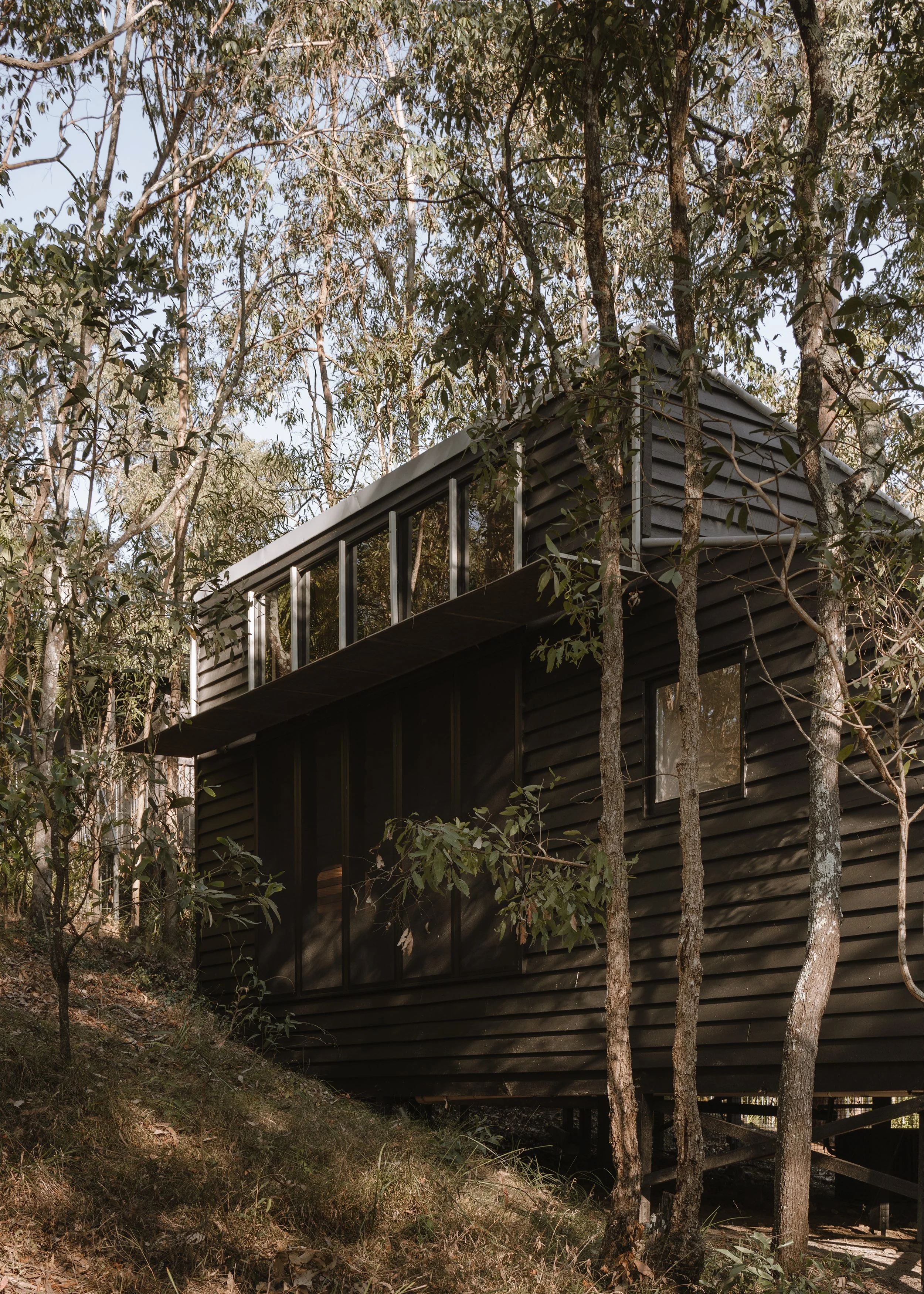
Externally, the previously varied surfaces were unified through a singular dark colour. Beneath the tree canopy, the darker skin recedes into shadow and gives greater visual presence to the pale trunks, green foliage and brown forest floor. Enclosed rooms are treated differently. Timber brings warmth to the principal interiors, while paper lighting softens the illumination and reinforces the distinction between sheltered rooms and the external passageways that connect them.
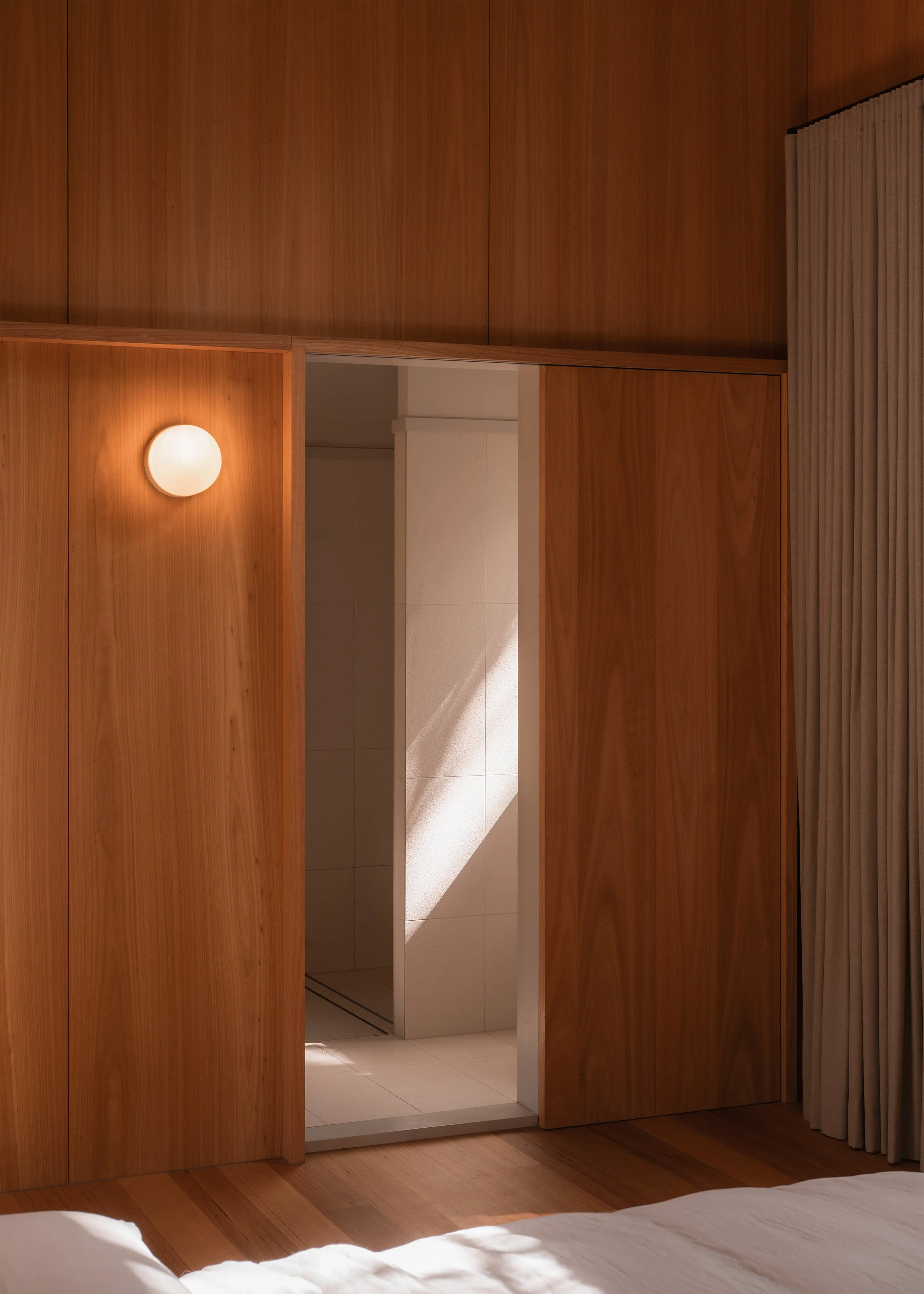
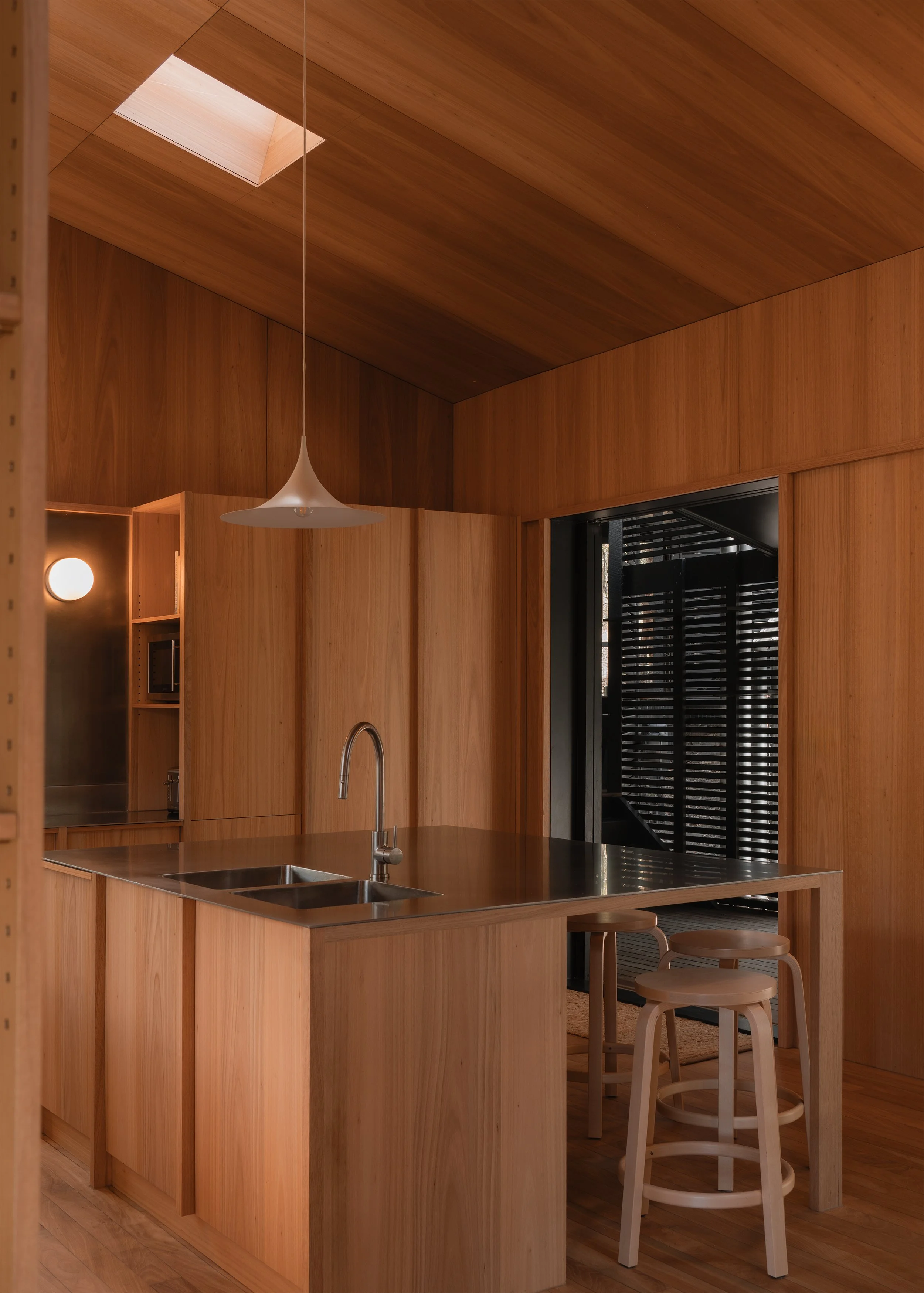
This limited palette is not applied as a collection of decorative finishes. Nielsen Jenkins frequently works by selecting few materials and allowing each one to occupy a room comprehensively. Bathrooms are tiled across walls, surfaces and benchtops. Timber is similarly allowed to surround the living spaces. The result is less a sequence of individual products than an immersion in material, with each room carrying a clear atmosphere.
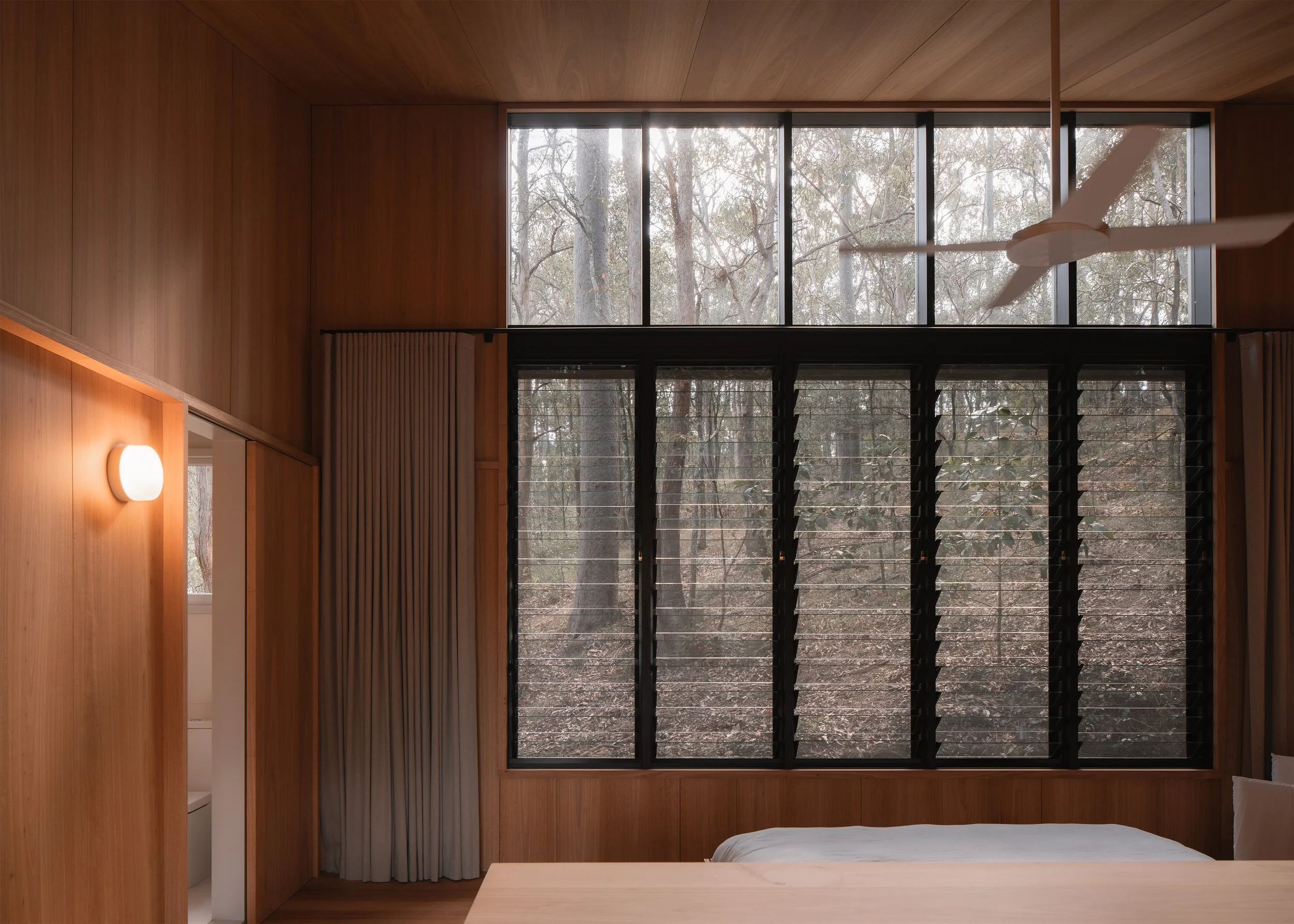
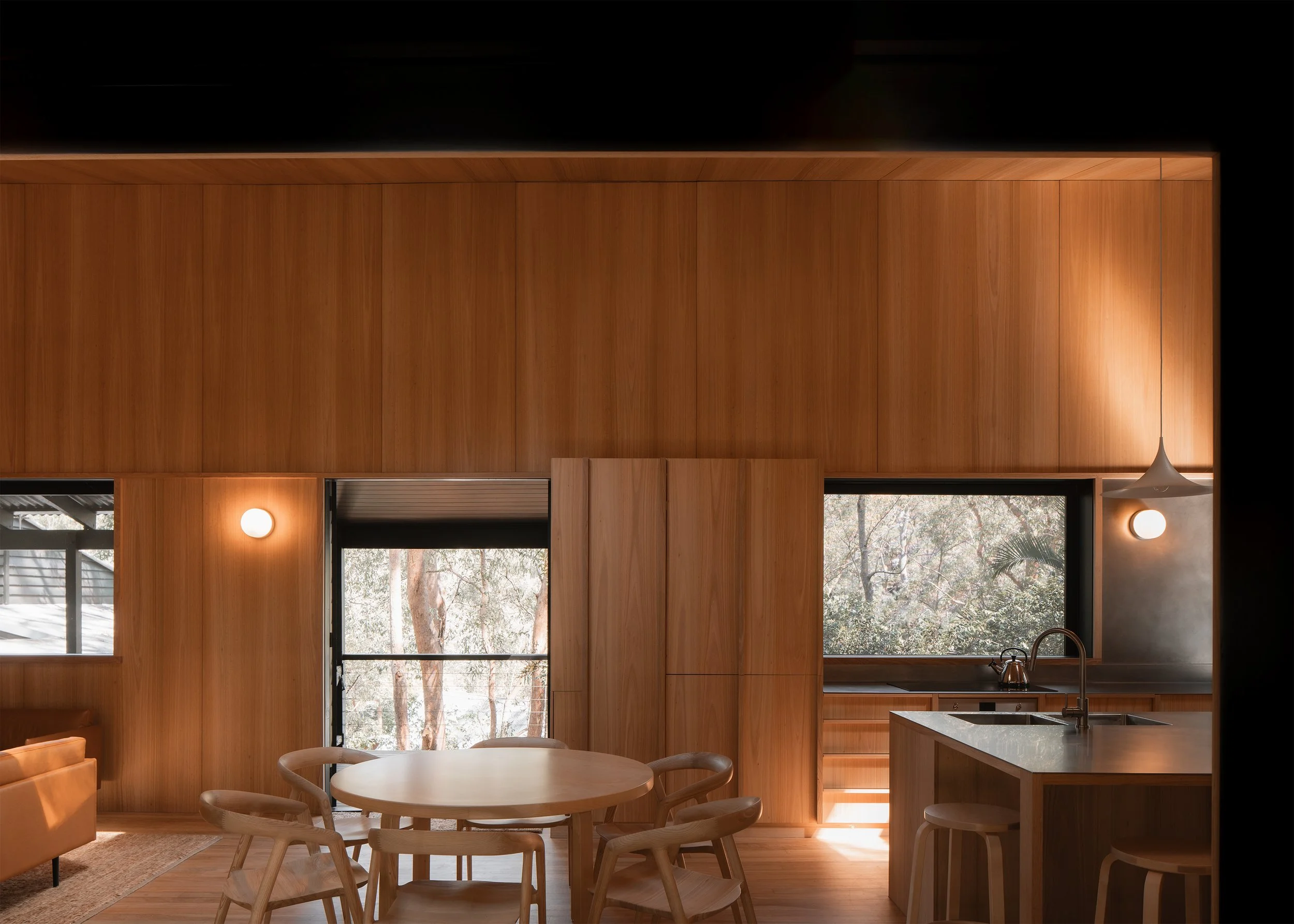
The most consequential changes are comparatively small. New skylights and selected western openings introduce moving, high-contrast light beneath the canopy. In the central kitchen, living and dining area, the kitchen was wrapped and made more generous, allowing two additional openings to improve passive operation. The dining table was centred beneath a skylight, while the lounge was redirected towards an existing fireplace. In the main bedroom, two small windows facing the bushland were combined into a larger opening, shifting the room’s attention outward.
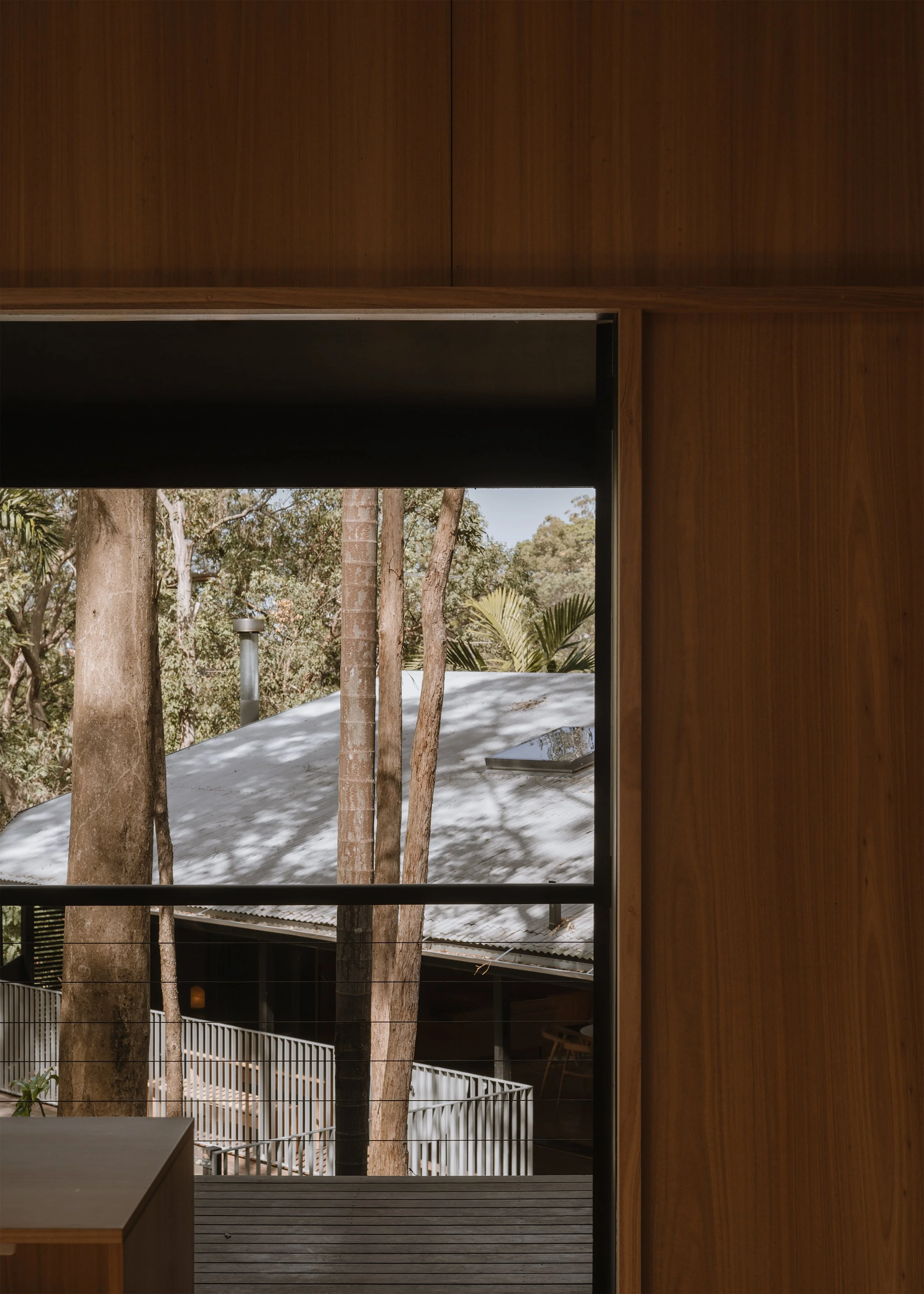
These interventions do not produce a single commanding view. Instead, the house offers a succession of partial outlooks. Movement follows and crosses the contours; at times occupants are raised among the trees, while elsewhere they can step directly from a deck onto the ground. Tree trunks sit unexpectedly close to windows. New view paths emerge while moving around corners, reinforcing an experience already embedded in the original plan.
Such proximity is not entirely picturesque. The architects acknowledge the mosquitoes, flies, lizards and snakes that accompany life within the bush. The external circulation and openness are not for every household. Yet this exposure is inseparable from the project’s character. Less than five kilometres from central Brisbane, the house feels spatially and atmospherically removed from the city.
El Paso demonstrates that the value of an alteration need not be measured by the visibility of its additions. By retaining the original planning and reducing the materials that competed with it, Nielsen Jenkins has strengthened the house’s existing presence. The architecture does not ask to be viewed as an autonomous object. It becomes a framework through which the surrounding place is repeatedly encountered.
Follow the publication by email
Receive new films and features on Australian homes shaped by restraint and place.
Related
Tallowwood Cabin by Fouché Architects
In the Gold Coast hinterland, Tallowwood Cabin works within the limits of a protected bushland site to create a compact cabin embedded in the tree canopies
Related Features