The beauty of less.
Is This Australia’s Most Beautiful Modern Treehouse?
What happens when architecture steps back and lets the landscape lead? Rejuvenating an original 1980s house by Dan Callaghan in Brisbane, Nielsen Jenkins shaped a home that sits quietly within the trees.
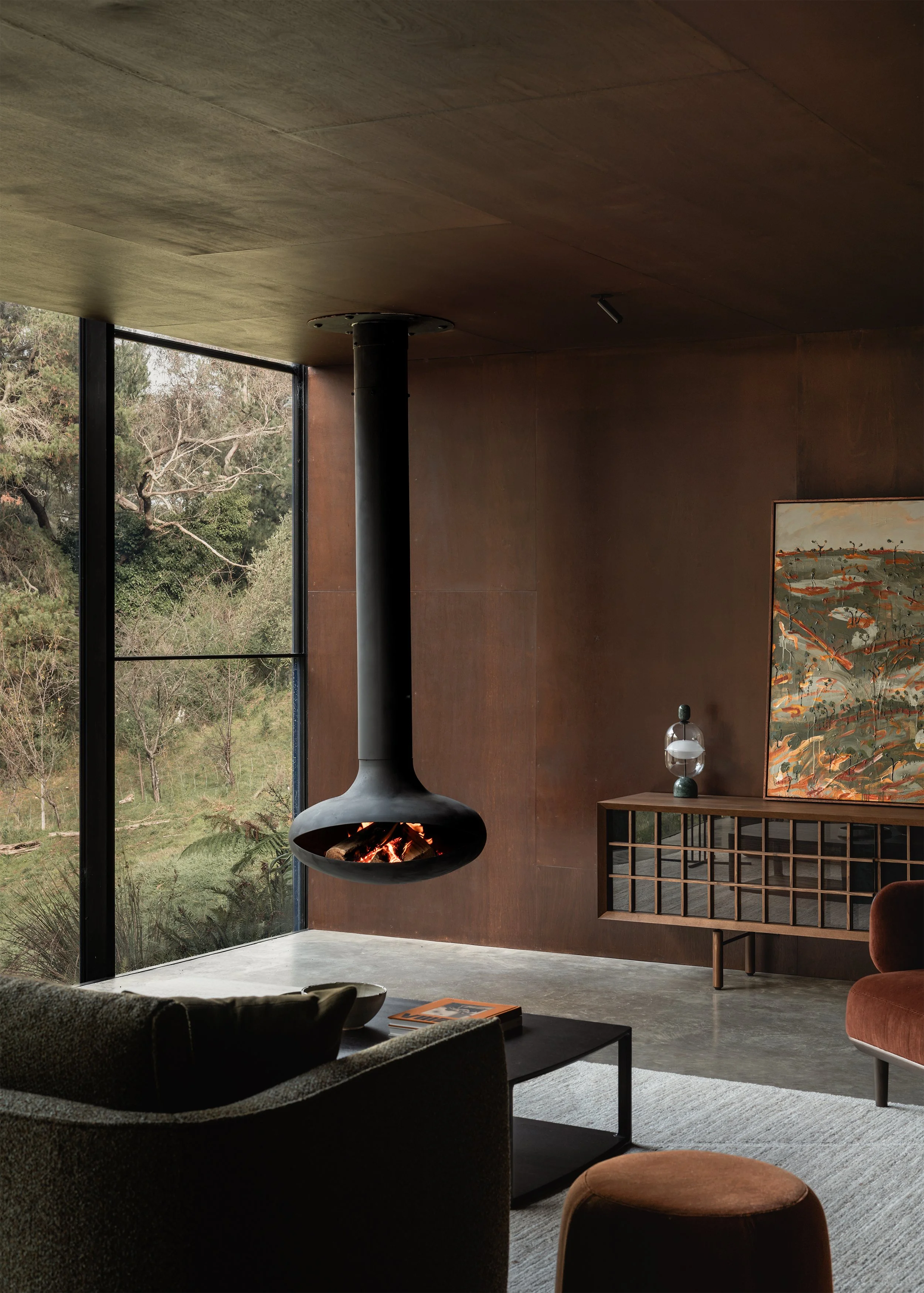
Through material restraint and a muted palette, the interiors are simplified to find harmony beneath Mount Coot-tha’s canopy. Shadows, texture and timber warmth draw your focus outward to the forest.
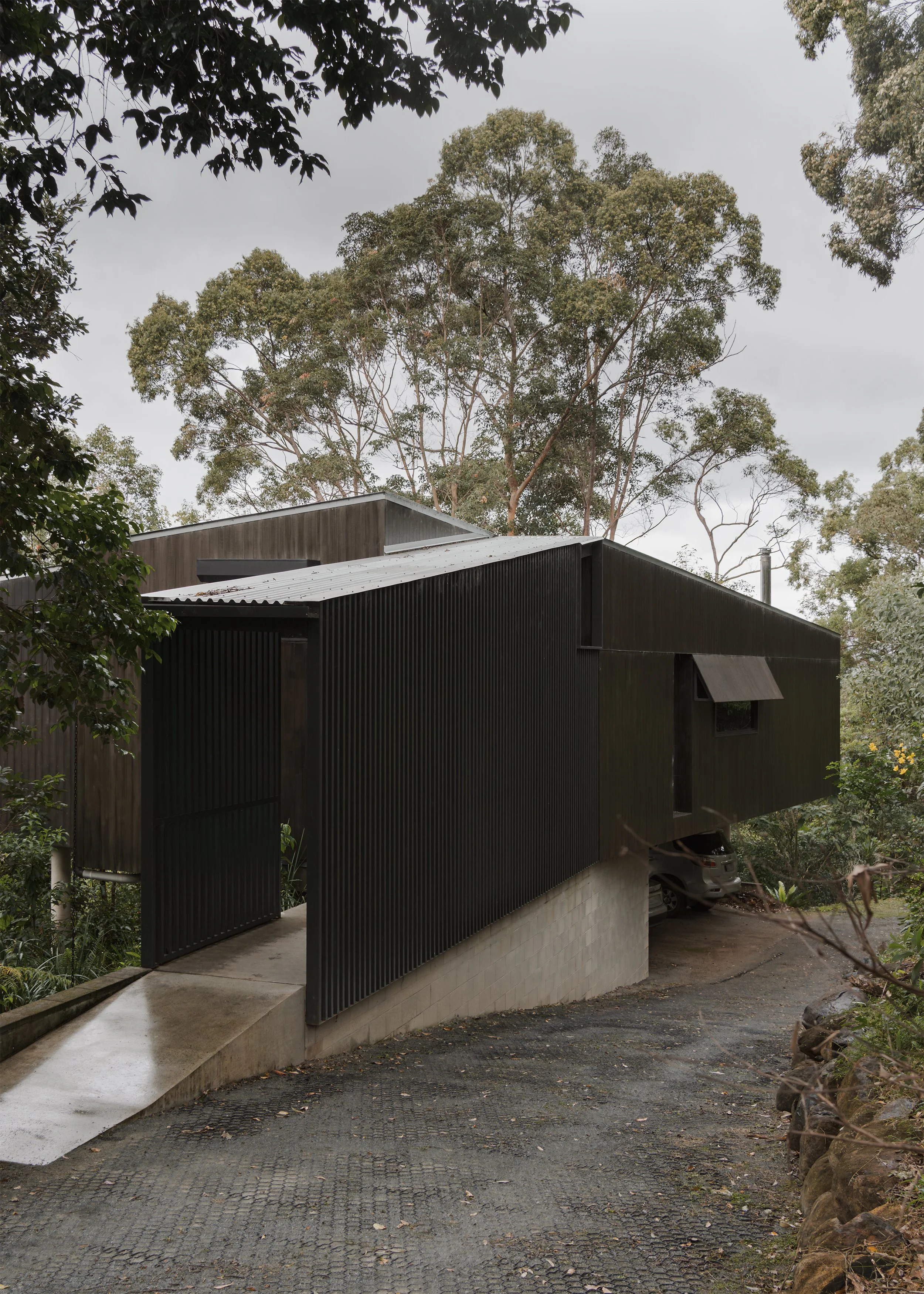
With a darkened exterior that recedes into the trees, El Paso is a study in how modern architecture can disappear into landscape and let nature do the talking.
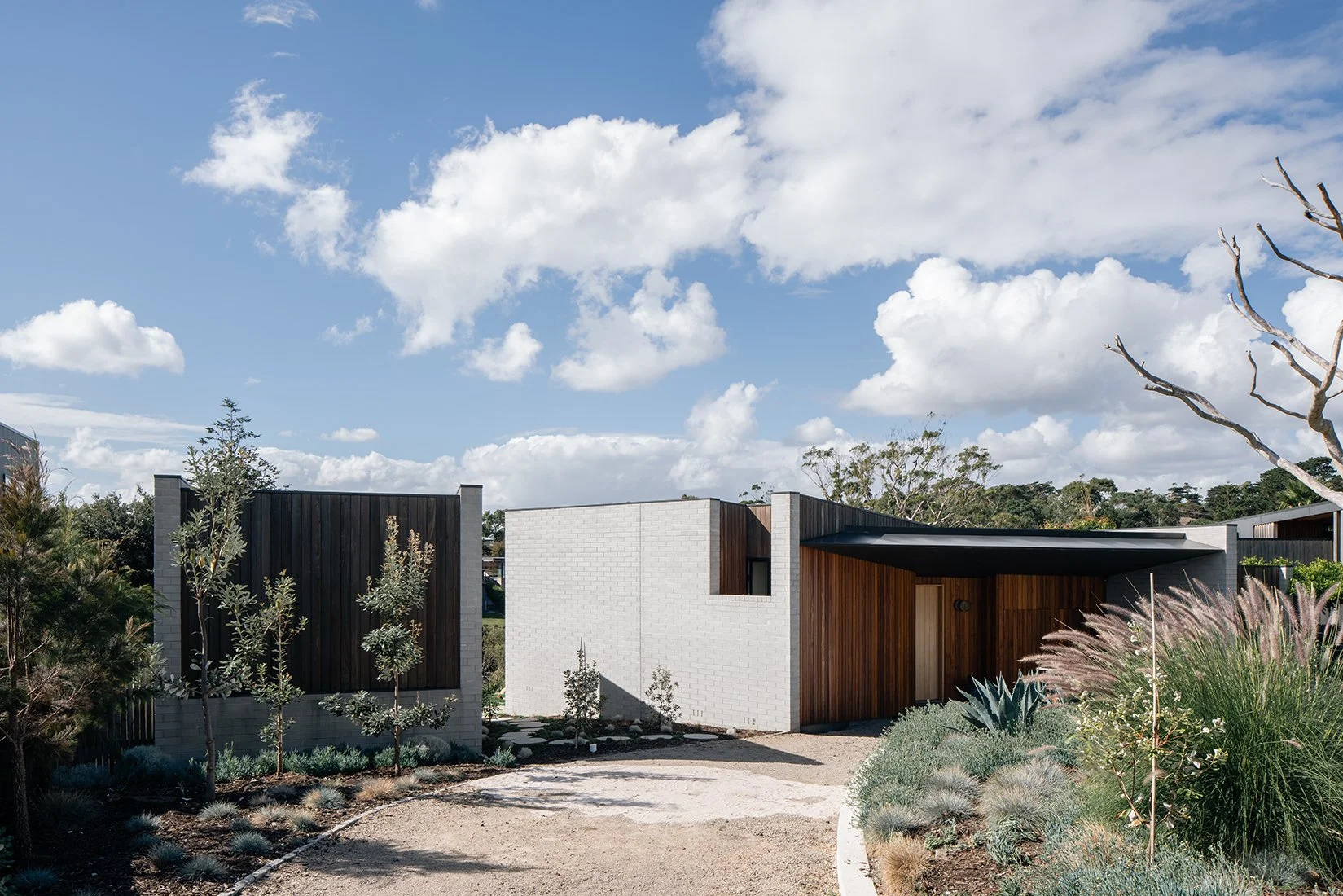
How do you redefine a Mount Martha beach house? Wolveridge Architects takes a more inward approach, shaping a courtyard home that replaces ocean views with calm and connection.
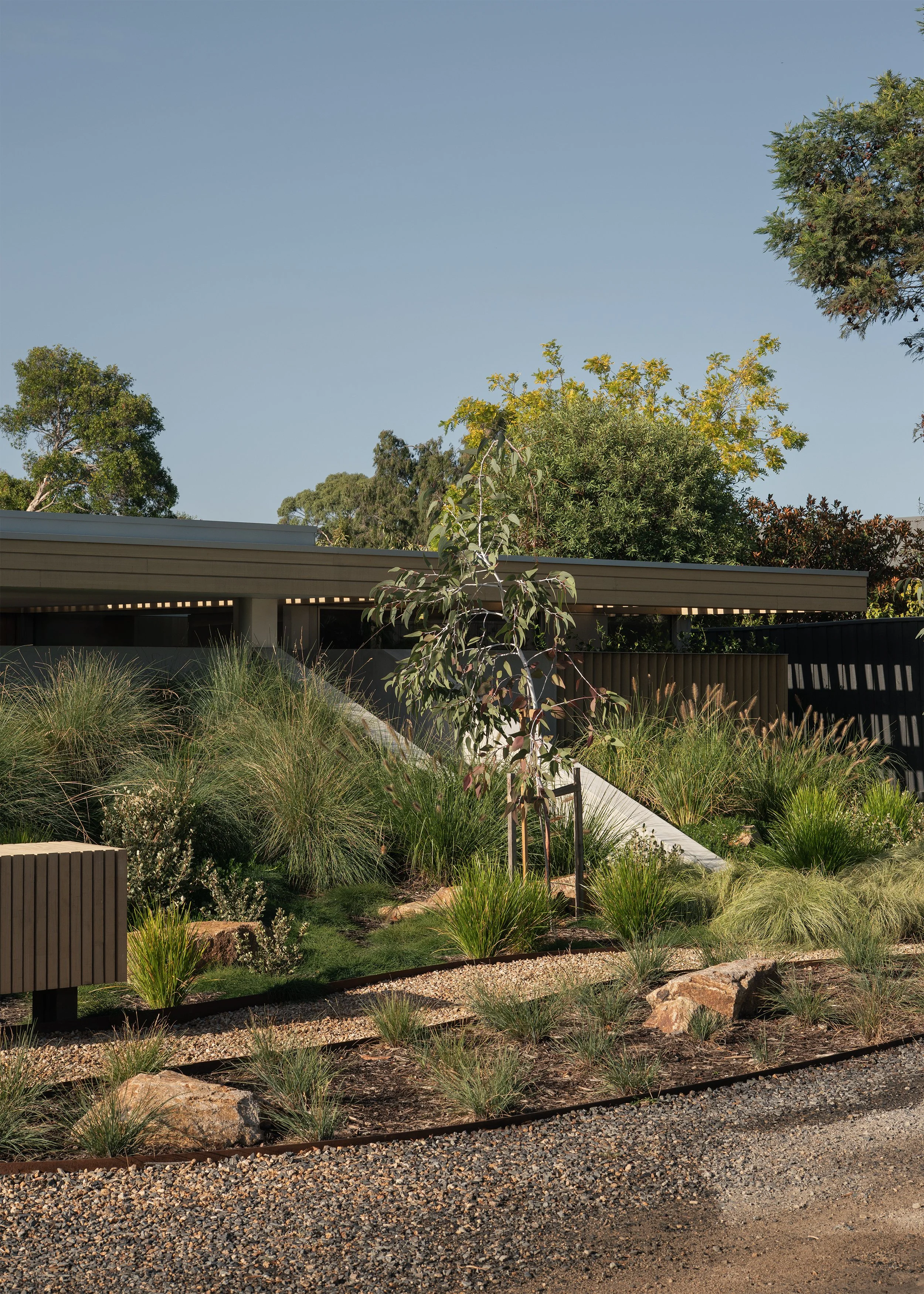
Anchored by a mature magnolia, a contemporary extension to an Edwardian home is reimagined as a calm, light-filled family home of softness and durability.
With a palette of timber, stone and bagged brick, the home feels enduring and quietly connected to its coastal landscape.
Rooted in Shady Creek’s agricultural vernacular, this farmhouse is embedded in the working life of the property, being practical, durable and quietly refined.
Pop Architecture transforms a neglected Victorian in North Fitzroy by drawing on the layered history of the site, where a relocated entry, natural materials and garden-led spaces offer a grounded, enduring sense of home.
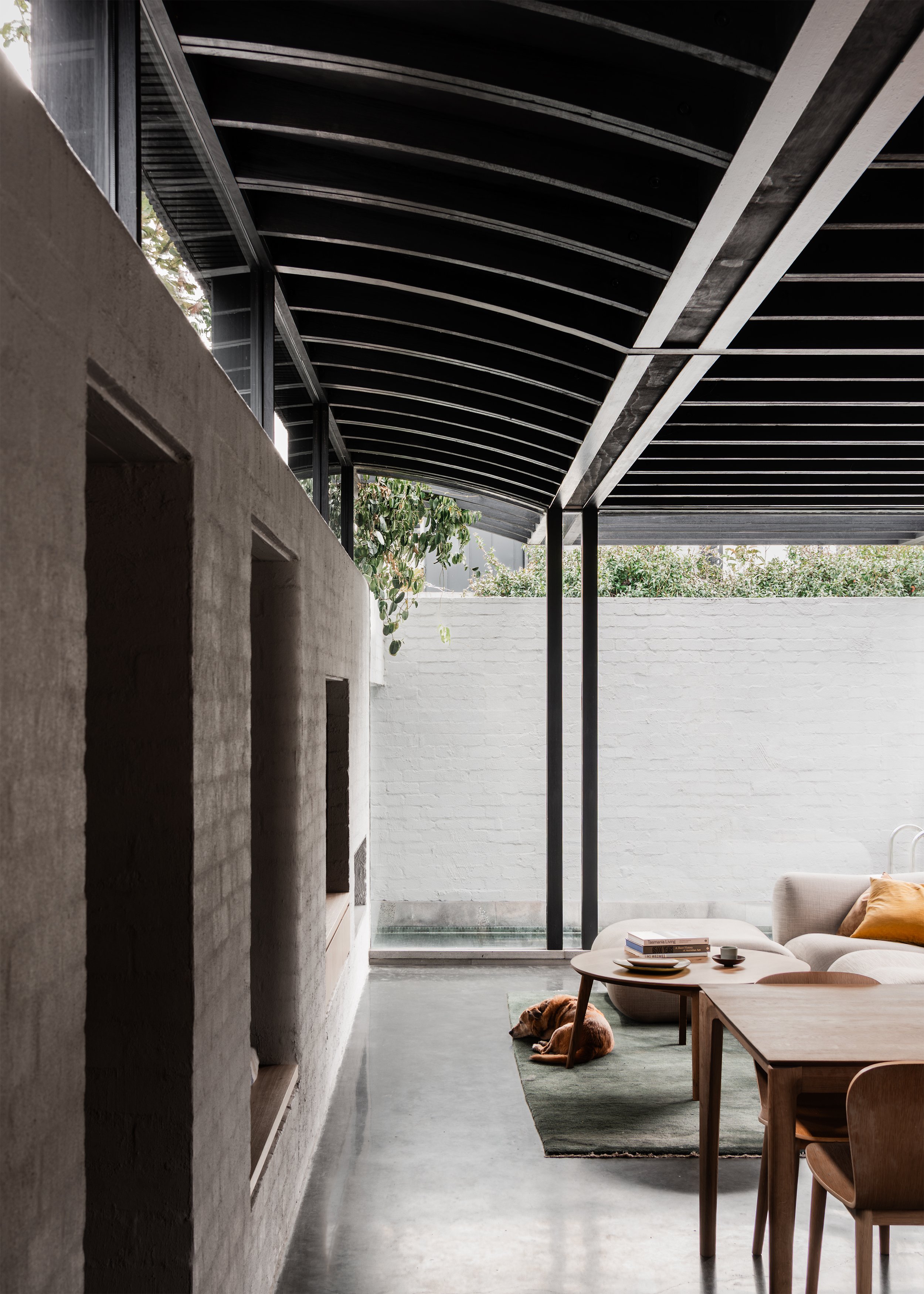
Faced with the challenge of a south-facing backyard, this thoughtful addition reorients the Victorian terrace around a central courtyard, drawing in northern light and creating a quiet dialogue between daily life and the garden beyond.
Behind a beloved family home, this compact laneway dwelling balances sustainability, density and ageing-in-place while pairing material honesty with spatial generosity.
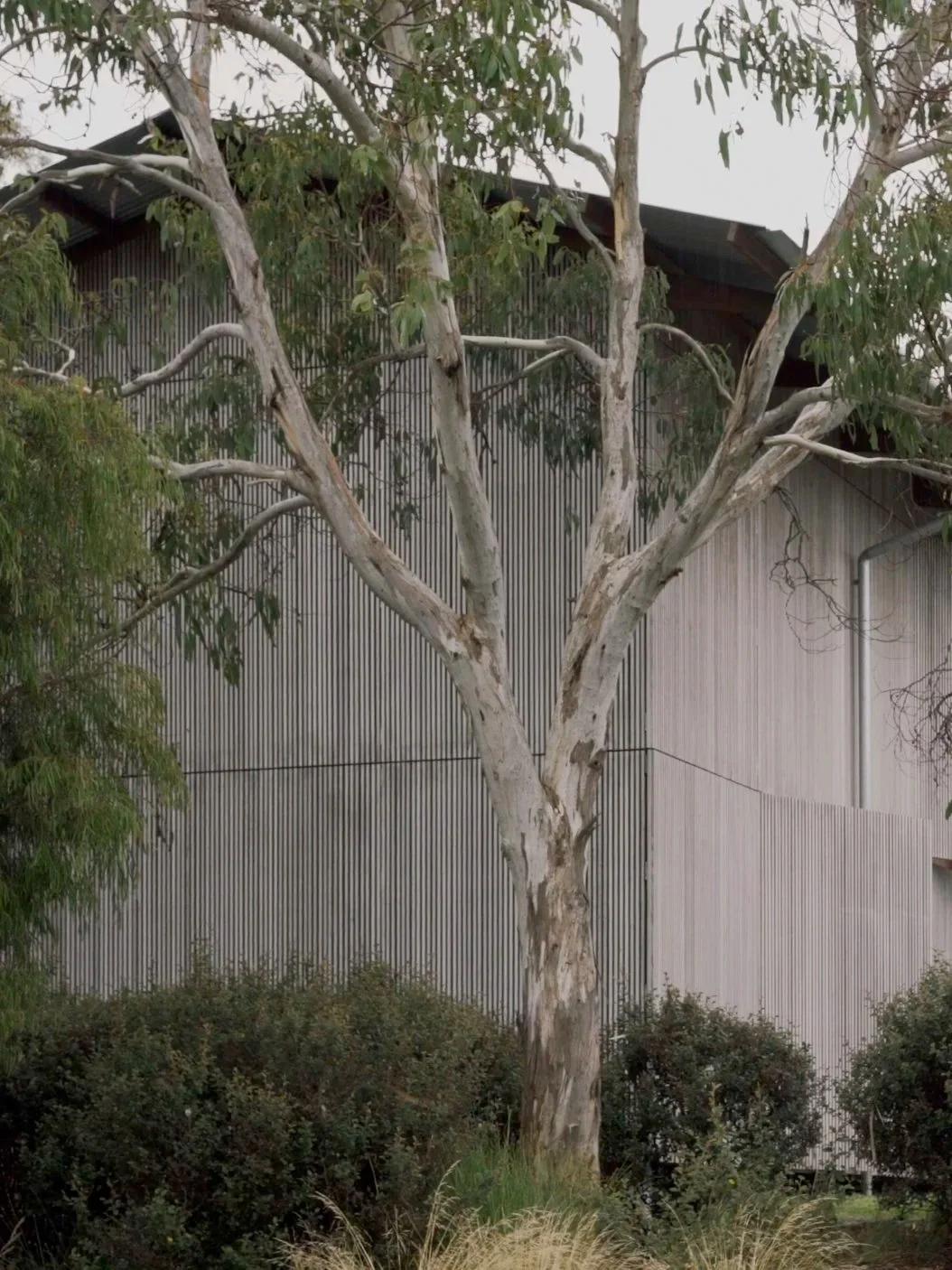
Set against views of Wilsons Promontory, Fishharven is a study in simplicity, where corrugated pavilions, glazed links, and a warm, natural palette foster a deep sense of calm and continuity with the landscape.
Defined by contrast, this home reveals itself slowly, from the monolithic entry wall to large expanse of glass within, blurring the line between shelter and openness, creating a true prospect and refuge.
Situated on a 45m² site in suburban Tokyo, this small vertical home reimagines city living.
Houses offer a different way of living, where two homes share a garden, and the space between becoming part of daily life.
Mid-century modern design, emerging in the 1940s/50s, revolutionised architecture, focusing on simplicity and innovation.
How do you achieve a sustainable home? Is it the orientation, materials, and all the technology, such as solar panels, or is it simply doing less?
Minimalist architecture and interior design receive a lot of criticism, with homes often referred to as hospital rooms, soulless, unhomely, cold, depressing... But is it possible to make minimalism more inviting?
What if you can experience the same emotions and benefits of being in a forest, but at home?